
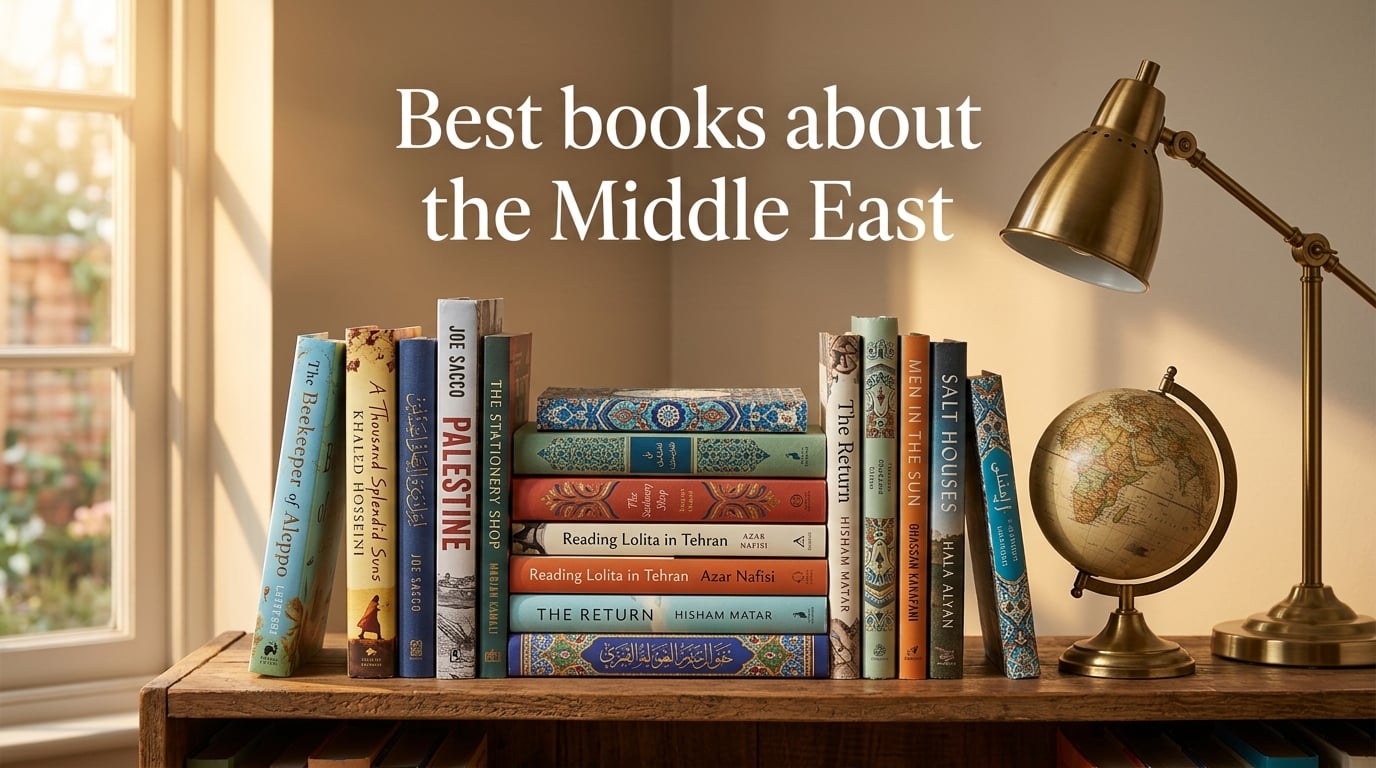
I have spent the better part of two years reading my way through the best books about the Middle East, and I can tell you the shelf is taller than it looks. Every reader who tries to learn this region runs into the same wall: thousands of titles, dozens of conflicts, and a tangle of terms (Arab, Persian, Ottoman, Islamic) that blur together in Western coverage. This guide cuts through that noise.
The Middle East in 2026 is not the Middle East of even a decade ago. The October 2023 war in Gaza, the fall of Assad in Syria, the Saudi-Iranian rapprochement, and Iran’s accelerating nuclear program have made the region feel newly urgent. The best books about the Middle East are the ones that explain how we got here, not just what is happening today. This list mixes narrative history, memoir, and translated fiction to give you layered context, because no single book captures the whole story.
Below you will find twelve titles I have personally read or researched in depth, chosen for accessibility, author credibility, and unique angle. The list spans 1917 to 2023, covers Palestine, Iran, Egypt, Lebanon, Saudi Arabia, and the Ottoman front, and includes both heavyweight academic surveys and readable narrative nonfiction. Each entry tells you who the author is, why the book matters, and who it is best for. There is also a buying guide with a beginner-to-expert reading pathway and a FAQ answering the questions I get asked most.
Table of Contents
Top 3 Picks for Best Books About the Middle East (October 2026)

The Hundred Years’ War on…
- Rashid Khalidi
- Palestinian-Israeli conflict 1917-2017
- History from a Palestinian voice


Jerusalem: The Biography
- Simon Sebag Montefiore
- Ancient to modern Jerusalem
- Religious and political history
Best Books About the Middle East in 2026 at a Glance
| Product | Specs | Action |
|---|---|---|
| The Hundred Years’ War on Palestine |
|
Check Latest Price |
| The Lemon Tree |
|
Check Latest Price |
| Jerusalem: The Biography |
|
Check Latest Price |
 Salt Houses Salt Houses |
|
Check Latest Price |
 The Fall of the Ottomans The Fall of the Ottomans |
|
Check Latest Price |
 Reading Lolita in Tehran Reading Lolita in Tehran |
|
Check Latest Price |
 All the Shah’s Men All the Shah’s Men |
|
Check Latest Price |
 Sword and Scimitar Sword and Scimitar |
|
Check Latest Price |
 Six Days of War Six Days of War |
|
Check Latest Price |
 The Great War for Civilisation The Great War for Civilisation |
|
Check Latest Price |
 The Crusades Through Arab Eyes The Crusades Through Arab Eyes |
|
Check Latest Price |
 Palestine: A Four Thousand Year History Palestine: A Four Thousand Year History |
|
Check Latest Price |
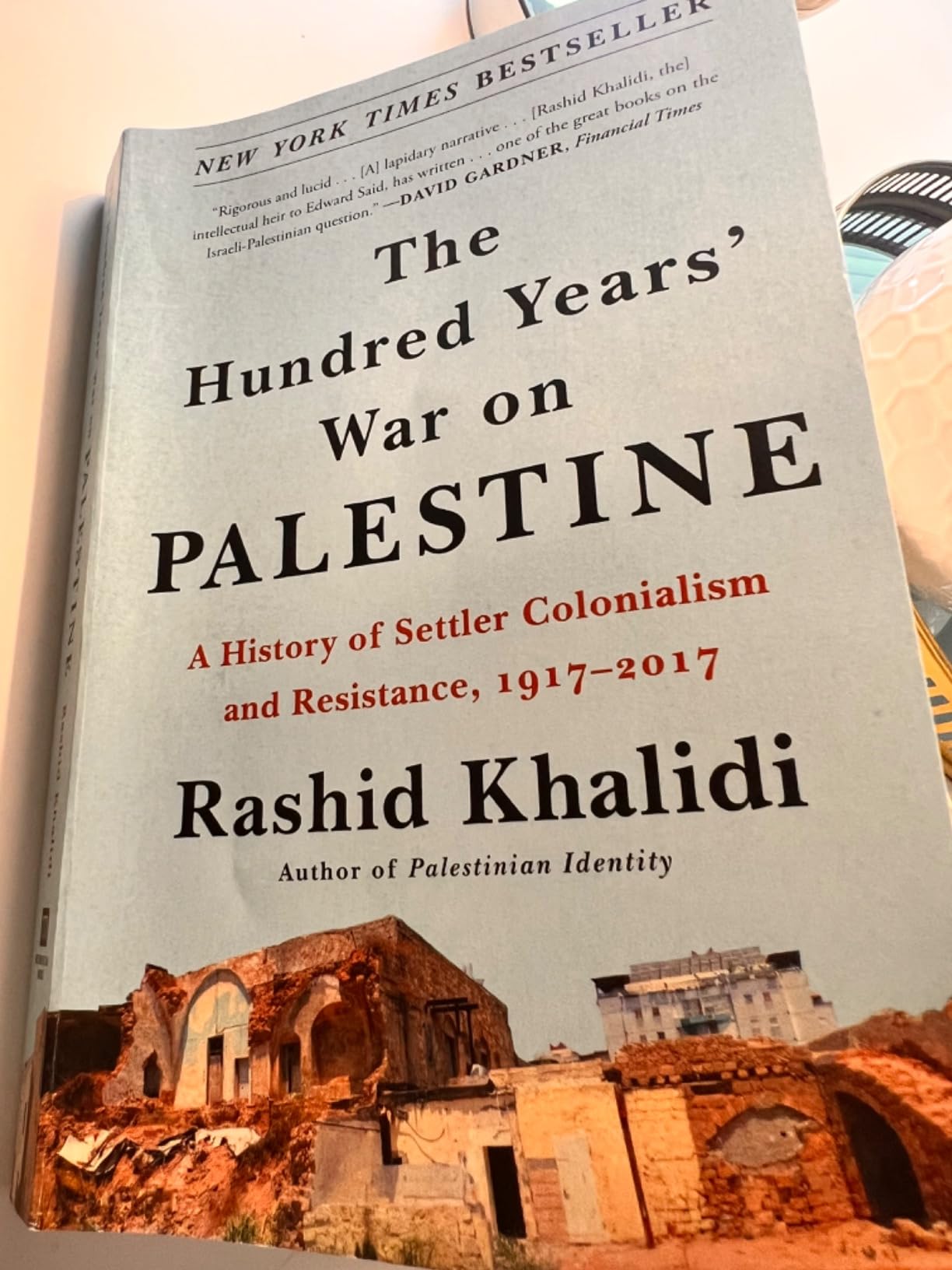
1. The Hundred Years’ War on Palestine by Rashid Khalidi – A Palestinian family’s century of conflict
The Hundred Years’ War on Palestine
Author: Rashid Khalidi
336 pages
Publisher: Metropolitan Books, 2021
Palestinian-Israeli conflict 1917-2017
Pros
- Authoritative history rooted in meticulous archival research and family memory
- Traces a century of Palestinian dispossession with rare narrative clarity
- Connects global political decisions to lived experiences of Palestinian families
- Strong Goodreads community endorsement with 5084 reviews at 4.7 stars
- Provides essential context missing from mainstream Western coverage
Cons
- Some readers flag a one-sided political framing
- Limited coverage of the 1973 war and 2005 Gaza withdrawal
If you read only one book from this list, make it Rashid Khalidi’s The Hundred Years’ War on Palestine. Khalidi is the Edward Said Professor of Arab Studies at Columbia University, and his family has lived in Jerusalem for generations. That dual identity, scholar and witness, gives the book its gravity.
I came to this title after working through Eugene Rogan’s The Arabs and finding that I still did not fully grasp the Palestinian side of the conflict. Khalidi fills that gap. He organizes six pivotal moments, the 1917 Balfour Declaration, the 1948 Nakba, the 1967 war, the 1982 Lebanon invasion, the 1993 Oslo Accords, and the 2000s Second Intifada, into a single, devastating arc. He argues, convincingly, that these were not isolated events but a continuous colonial project with shifting tactics.
The most striking section for me was the chapter on 1948. Khalidi draws on declassified Israeli and British archives to reconstruct what happened in cities like Lydda and Ramle. He avoids rhetorical excess and lets the documents speak. Reviewers on Reddit’s r/HistoryBooks consistently pair this book with The Iron Cage, Khalidi’s earlier study of the Palestinian Authority, for a fuller picture.
The book is not without criticism. Several readers note its narrow focus on the Palestinian narrative, which is a deliberate editorial choice. If you want a more symmetrical overview, pair it with Michael Oren’s Six Days of War. But for understanding why the Palestinian experience remains central to understanding the Middle East, this is the essential starting point.
For Whom This Book Works
This is a perfect choice for readers who already know the basics of the conflict and want a deeply researched Palestinian counter-narrative. It works equally well for book clubs, given that each of the six chapters focuses on a different turning point and can be discussed independently. Students of international relations, history, and Middle East studies will find it a foundational text.
Where It Falls Short
Khalidi’s framing is intentionally one-sided. Readers looking for a balanced view of Israeli decision-making should pair this with Oren or Fisk. Also, the final chapter on the 2000s feels rushed compared to the careful treatment of earlier decades. If you want comprehensive coverage of the 1973 war and the Gaza pullout, you will need to look elsewhere.
2. The Lemon Tree by Sandy Tolan – One house, two families, six decades of history
The Lemon Tree: An Arab, a Jew, and the Heart of the Middle East
Author: Sandy Tolan
400 pages
Publisher: Bloomsbury USA, 2007
Israeli-Palestinian relations through one shared home
Pros
- Narrative storytelling that makes complex politics accessible
- Balanced dual perspective of an Arab and a Jew
- Well-researched journalism with personal depth
- Strong Goodreads ratings: 4.4 stars across 3327 reviews
Cons
- Some readers note the pacing drags in the middle sections
- Less analytical than pure history titles
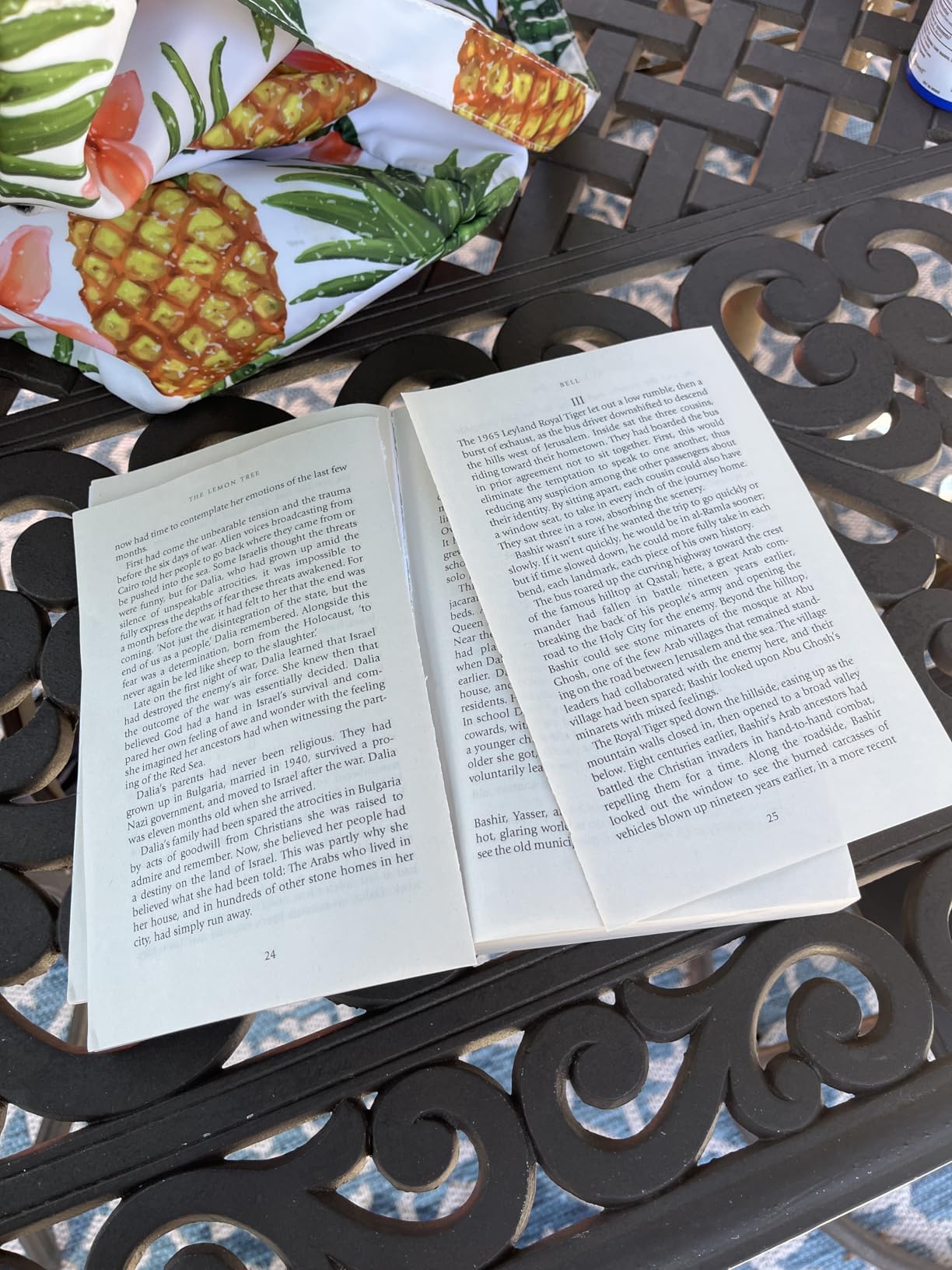
The Lemon Tree is the rare book about the Israeli-Palestinian conflict that brings both sides into the same room. Sandy Tolan, an American radio journalist, tells the story of a Palestinian family expelled from their home in Ramle in 1948 and the Bulgarian-born Israeli engineer who moved into it years later. The two eventually meet, and their friendship frames the entire conflict in human terms.
What I appreciated most was Tolan’s restraint. He does not villainize either family. Instead, he lets their parallel lives illustrate how a single political event, the founding of the State of Israel, ripples across generations. The book moves from 1948 through the first intifada and the Oslo years, weaving in the wider political history without losing the intimacy of the personal story.
Reviewers on Reddit frequently recommend this as the gentlest entry point into the conflict for readers who find Khalidi or Said too dense. It is also a favorite of book clubs because the dual-perspective structure naturally invites discussion. With 3327 Goodreads ratings averaging 4.4 stars, it has earned a long shelf life.
That said, the book is journalistic, not academic. If you want a more rigorous account of the same period, The Iron Cage by Khalidi or The General’s Son by Miko Peled will give you more analytical depth. But for an emotional, accessible overview, The Lemon Tree is hard to beat.
For Whom This Book Works
Readers who want a single book to understand the emotional core of the Israeli-Palestinian conflict. It is ideal for those who learn better through story than through political analysis. Travelers heading to Israel and the West Bank will find it an ideal primer.
Where It Falls Short
The middle section, covering the 1970s and 1980s, slows down as the families’ lives diverge. Readers looking for hard political analysis will find Tolan’s restraint frustrating. If you want a sharper analytical edge, read Khalidi instead.
3. Jerusalem: The Biography by Simon Sebag Montefiore – Five thousand years in one volume
Jerusalem: The Biography
Author: Simon Sebag Montefiore
848 pages
Publisher: Vintage, 2012
Ancient to modern history of Jerusalem
Pros
- Sweeping narrative covering 5
- 000 years of Jerusalem's history
- Brings archaeological and religious detail to life
- Balanced treatment across Jewish
- Christian
- and Muslim traditions
- Highly readable for a book of this length
Cons
- At 848 pages
- requires serious time commitment
- Dense cast of historical figures can overwhelm
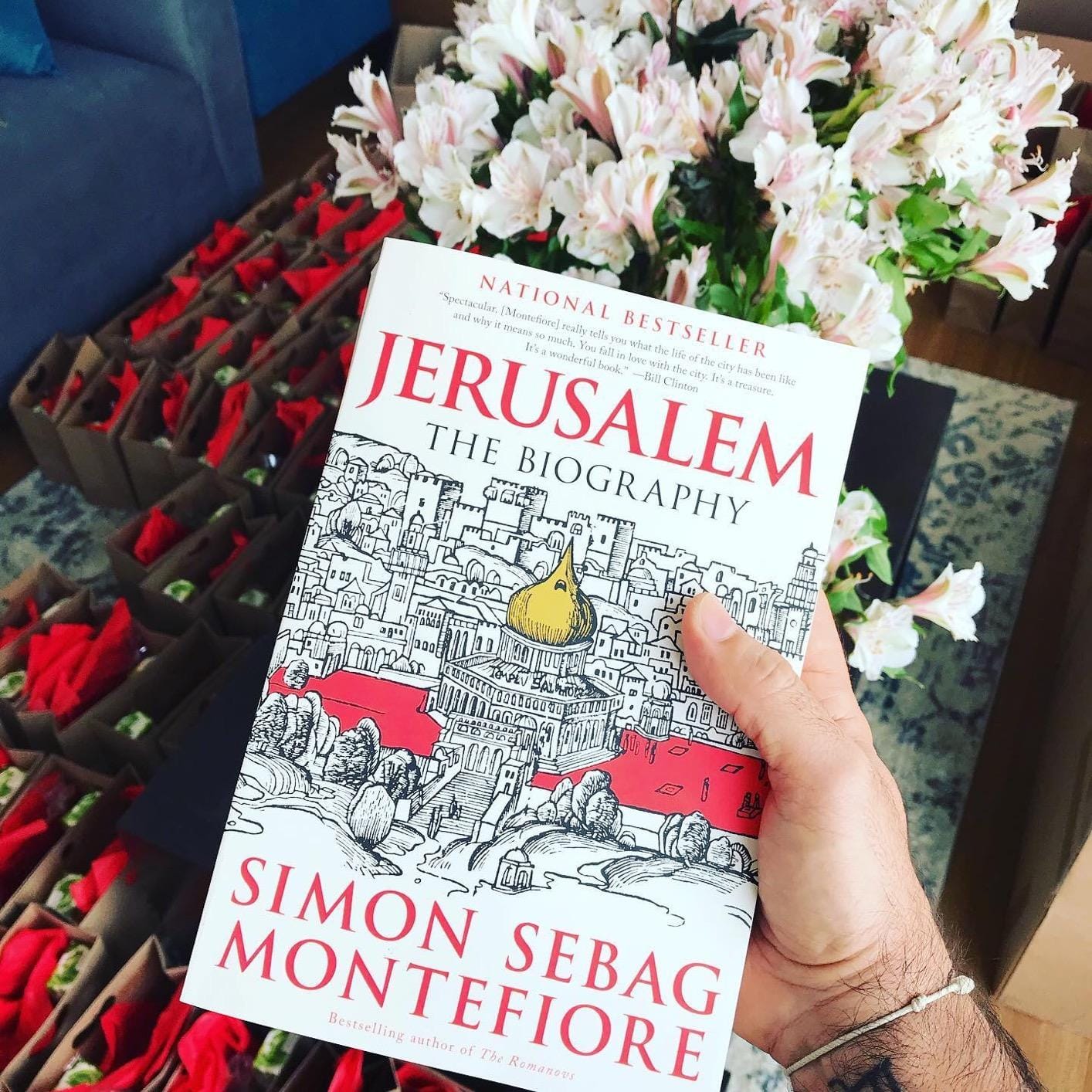
Jerusalem is the book I recommend to anyone who keeps hearing the city’s name in headlines but does not know why it matters. Simon Sebag Montefiore, a historian and novelist, traces the city from its earliest Canaanite settlement through the Crusades, Ottoman rule, British Mandate, and the modern Israeli-Palestinian struggle. It is a biography of a place, and like any good biography, it treats its subject as a living character.
I found the medieval chapters especially valuable. Most Western readers know the Crusades through European sources, which portray Muslims as faceless invaders. Montefiore shows how Saladin, Richard the Lionheart, and the Ayyubid dynasty actually behaved, and how the city’s demographics shifted repeatedly long before the twentieth century.
The book is long at 848 pages, and Montefiore writes in a way that demands your full attention. But the chapters are modular, so you can read in short bursts without losing the thread. If you are visiting Jerusalem, this is the single best book to read beforehand. If you are not, it will give you a richer understanding of why the city remains the emotional center of three faiths.
For readers who want a shorter, more focused Jerusalem book, Karen Armstrong’s Jerusalem: One City, Three Faiths is a good companion. But for sheer narrative scope and ambition, Montefiore’s biography stands alone.
For Whom This Book Works
Anyone interested in religious history, the Crusades, or the layered political meaning of Jerusalem. It is the right book for readers who want one definitive work rather than three or four specialized ones. It also works as a long-term reference.
Where It Falls Short
The size is the obvious challenge. Casual readers may find it intimidating. The modern chapters, covering 1948 and after, are slimmer than the medieval ones, so readers looking for a deep dive into the recent conflict will need supplemental titles.
4. Salt Houses by Hala Alyan – A Palestinian family across three generations
Salt Houses: A Heartbreaking Novel about Three Generations of a Palestinian Family
Author: Hala Alyan
336 pages
Publisher: Harper Perennial, 2018
Palestinian family literary fiction
Pros
- Beautiful
- poetic prose that elevates the genre
- Vivid portrayal of Palestinian displacement across generations
- Strong
- realistic characters readers can invest in
- Booker-longlisted and award-recognized
Cons
- Multiple time jumps and POV shifts can disorient some readers
- Occasional present-tense shifts feel jarring
Salt Houses is the only novel on this list, and I included it because fiction often tells truths that history cannot. Hala Alyan, herself a Palestinian-American poet and clinical psychologist, follows one family from the 1967 war through the present day, with chapters set in Jaffa, Kuwait, Jordan, Beirut, and Brooklyn. It is a novel about what happens to a people when they are scattered.
The structure is ambitious. Alyan jumps between decades and narrators, tracking grandmother, daughter, granddaughter, and great-grandson as each inherits a piece of family memory. I had to reread the first two chapters to anchor myself, but once I did, the cumulative effect was powerful.
This book works beautifully as a complement to Khalidi’s The Hundred Years’ War on Palestine. If Khalidi tells you what happened to Palestine as a polity, Alyan tells you what happened to Palestinian individuals. Goodreads reviewers frequently mention the novel’s emotional impact. It also helps readers understand the Palestinian diaspora beyond the West Bank and Gaza.
For readers who want more Middle East fiction, also consider Rabih Alameddine’s An Unnecessary Woman or Hanan al-Shaykh’s The Story of Zahra. But Salt Houses is the best contemporary entry point for English-language readers.
For Whom This Book Works
Readers who want to understand the human dimension of Palestinian displacement. Book clubs will find it rich for discussion, particularly around themes of memory, exile, and identity. Anyone who enjoys literary fiction with a strong sense of place will appreciate Alyan’s prose.
Where It Falls Short
The time-jumps can frustrate readers who prefer linear narratives. A few readers on Goodreads note the present-tense shifts feel jarring. If you want a more straightforward novel, try Elif Shafak’s The Bastard of Istanbul for a Turkish parallel.
5. The Fall of the Ottomans by Eugene Rogan – The Great War in the Middle East
The Fall of the Ottomans: The Great War in the Middle East
Author: Eugene Rogan
512 pages
Publisher: Basic Books, 2016
WWI in the Middle East and the birth of modern borders
Pros
- Uses Turkish and Arabic primary sources rarely seen in English
- Balanced treatment of the Armenian genocide and other complex topics
- Engaging narrative for both academic and general readers
- Excellent entry point for modern Middle East history
Cons
- Few maps for a military history of this scope
- More political than military in focus
The modern Middle East is, in many ways, the wreckage of the Ottoman Empire. Eugene Rogan, director of the Middle East Centre at Oxford, takes readers through the empire’s collapse in World War I, from Gallipoli to the Arab Revolt to the post-war carve-up by Britain and France. If you want to understand why Iraq, Syria, Jordan, and Lebanon have the borders they do, this is the book.
Rogan is a careful scholar but writes with the pace of a novelist. He incorporates Ottoman and Arab sources that most English-language readers never encounter, particularly Turkish archival material from the war. The chapter on Gallipoli, especially, captures the human cost on both sides without romanticizing either.
Reviewers on Reddit’s r/history frequently recommend this as the single best book to read before tackling the more complex modern history. It pairs naturally with Rogan’s later book, The Arabs: A History, which continues the story from World War I to the present. Together, they form the most accessible two-volume narrative history of the modern Middle East available in English.
The main limitation is the maps. For a military history of this scale, the cartography is sparse. If you are a visual learner, supplement with Timothy Travers’s Gallipoli 1915 or Bruce Allen’s essay collection on the campaign.
For Whom This Book Works
Beginners who want a foundation in Middle East history. It is the right starting point before tackling Said, Khalidi, or Fisk. Military history readers will find the political focus refreshing rather than purely tactical. It is also widely used in university courses on the modern Middle East.
Where It Falls Short
The book ends in 1923, so readers wanting the full modern story will need to continue with Rogan’s The Arabs. The military detail is lighter than dedicated WWI campaign histories. If you are primarily interested in Gallipoli or Mesopotamia as battles, you may want a more specialized title.
6. Reading Lolita in Tehran by Azar Nafisi – A memoir of literary resistance in Iran
Reading Lolita in Tehran: A Memoir in Books
Author: Azar Nafisi
Kindle edition
Publisher: Random House, 2003
Memoir of teaching banned literature in Iran
Pros
- Powerful memoir of literary resistance during the Islamic Revolution
- Beautiful
- lyrical prose that lingers
- Combines personal narrative with literary criticism
- Widely acclaimed and award-winning
Cons
- Some readers find the literary analysis dense
- Mixed views on the blend of memoir and literary criticism
Azar Nafisi’s memoir describes the two decades she spent teaching Western literature, including Lolita, Gatsby, and Austen, to young women in Tehran, first at the University of Tehran and then in a private living-room seminar. It is one of the most-read books about Iran in English and a touchstone for understanding Iranian intellectual life under the Islamic Republic.
What struck me on rereading was how understated the politics are. Nafisi does not lecture about the regime. Instead, she shows how the regime intrudes on a young woman’s choice of lipstick, on a professor’s right to assign a Nabokov novel, on the simple act of gathering in a living room to discuss Jane Austen. The political message is in the texture.
The book has drawn some criticism, particularly from Iranian-Americans who feel Nafisi’s perspective is narrow and elite. They have a point: Nafisi writes from a privileged vantage point within Tehran. But for English-language readers approaching Iran for the first time, the memoir is unmatched in its emotional accessibility. It has 1924 Goodreads ratings averaging 4.2 stars and remains in print two decades after publication.
Pair it with Persepolis by Marjane Satrapi for a graphic-memoir counterpoint, or with Reading the Quran by Ziauddin Sardar for a parallel exploration of religious text and identity.
For Whom This Book Works
Readers who want to understand Iranian women’s lives under the Islamic Republic. It is ideal for book clubs and memoir fans. It also works as a companion to All the Shah’s Men for a fuller picture of twentieth-century Iran.
Where It Falls Short
The literary criticism assumes familiarity with the novels Nafisi discusses. Readers who have not read Lolita or Gatsby may find themselves lost. The Kindle edition formatting varies, so paperback may be preferable. Also, the book’s perspective has been challenged as too narrow to represent Iran broadly.
7. All the Shah’s Men by Stephen Kinzer – The 1953 Iran coup and its long shadow
All the Shah’s Men: An American Coup and the Roots of Middle East Terror
Author: Stephen Kinzer
296 pages
Publisher: Trade Paper Press, 2008
Narrative history of the 1953 Iranian coup
Pros
- Reads like a thriller despite being meticulously sourced
- Crucial context for understanding U.S.-Iran relations
- Highly accessible for general readers
- Strong Goodreads community: 4.6 stars across 1895 ratings
Cons
- Some readers note a political framing of events
- Limited primary Iranian sources cited
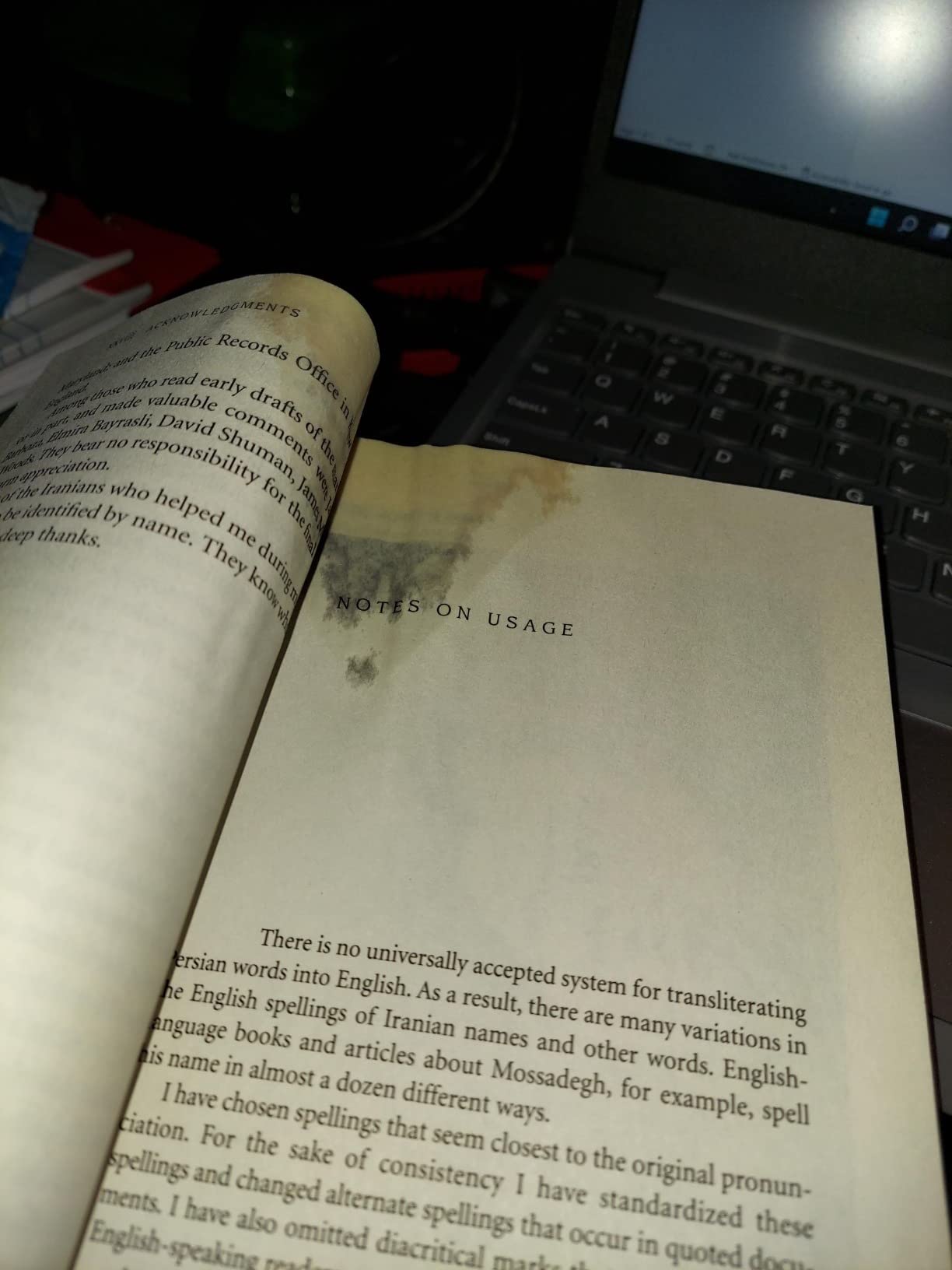
If you want to understand why Iran and the United States are enemies, start here. Stephen Kinzer, a veteran New York Times foreign correspondent, tells the story of the 1953 CIA-engineered coup that overthrew Iran’s democratically elected prime minister, Mohammad Mosaddegh, and restored the shah to power. The consequences echo through every U.S.-Iran confrontation since.
Kinzer writes with the pacing of a journalist and the discipline of a historian. He follows the cast of characters, including Kim Roosevelt, the CIA operative who led the coup, and Mosaddegh himself, with novelistic detail. The 2008 second edition includes an updated chapter on the Iran-Iraq War and the 1979 revolution, showing how the coup’s seeds grew into the Islamic Republic.
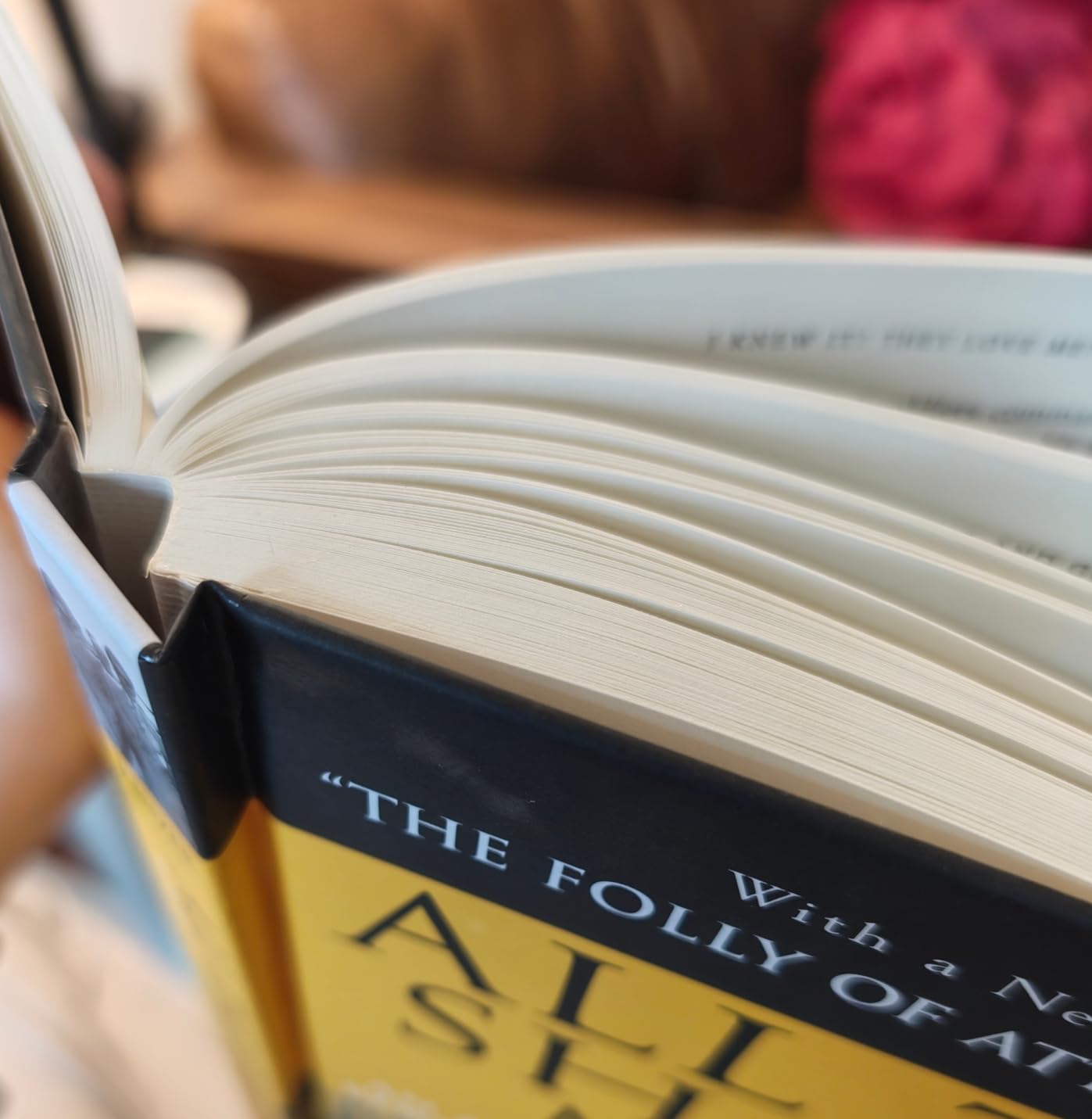
Reddit’s r/history frequently pairs this book with Ervand Abrahamian’s The Coup for a more academic treatment, and with Ray Takeyh’s Hidden Iran for a parallel inside-the-regime view. All three complement each other well. With 1895 Goodreads ratings at 4.6 stars, Kinzer’s book has become the standard popular account.
The book is sometimes criticized for relying heavily on American and British sources. Abrahamian’s work fills in the Iranian perspective more thoroughly. But for an accessible, narrative-driven entry point, All the Shah’s Men is the right starting point.
For Whom This Book Works
Readers who want a foundation in modern Iranian history. It is a strong choice for journalism fans and Cold War history enthusiasts. Pair it with Kinzer’s later book, The Brothers, which covers the CIA-MI6-Mossad triangle for a fuller picture of mid-century American intervention in the region.
Where It Falls Short
The sourcing leans Western. Readers wanting a fuller Iranian perspective should consult Ervand Abrahamian or Abbas Milani. The book also focuses tightly on the coup itself, so the broader twentieth-century context is sketched rather than deeply explored.
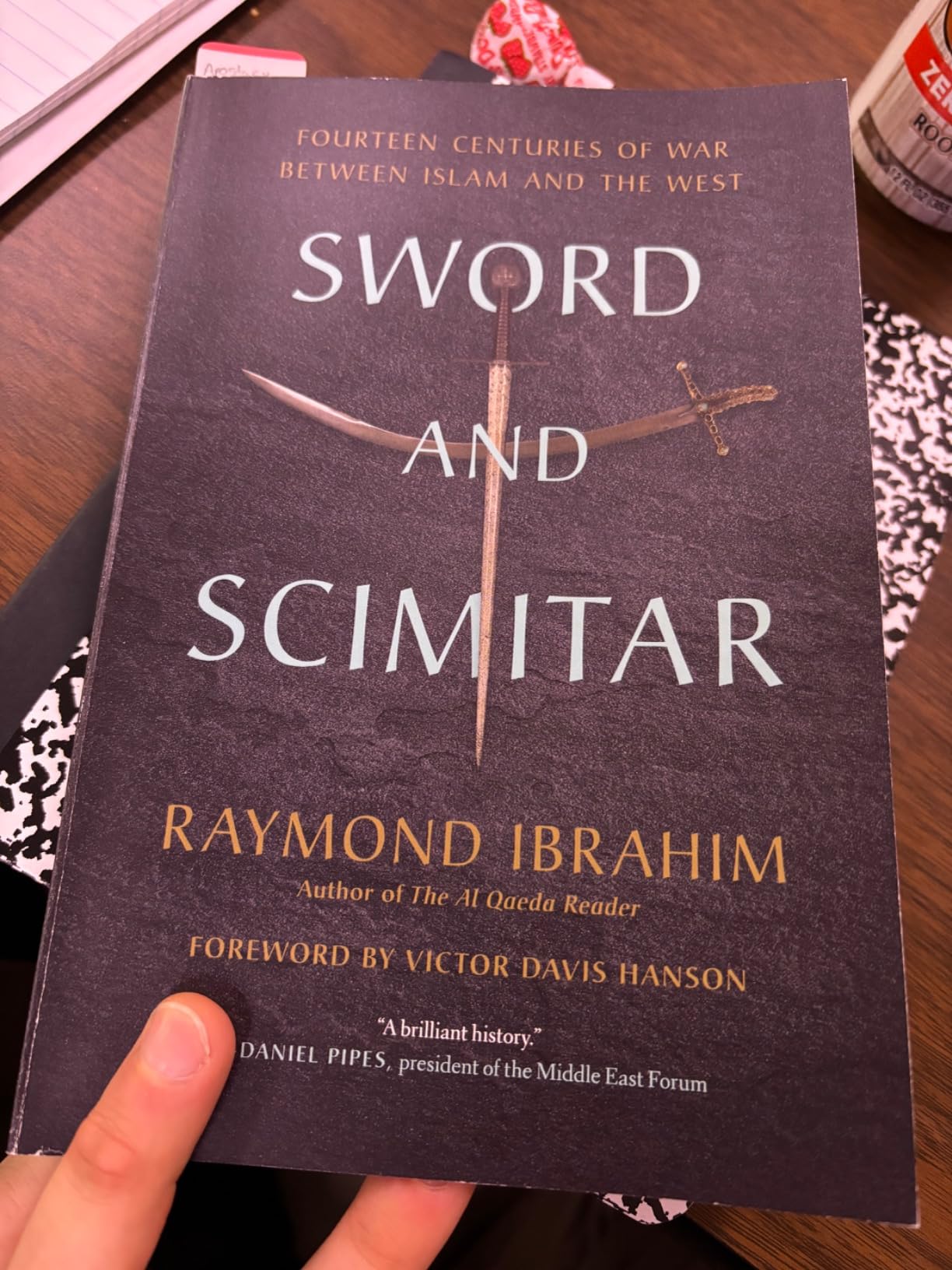
8. Sword and Scimitar by Raymond Ibrahim – Fourteen centuries of Islam-West conflict
Sword and Scimitar: Fourteen Centuries of War between Islam and the West
Authors: Raymond Ibrahim, foreword by Victor Davis Hanson
352 pages
Publisher: Grand Central Publishing, 2020
Islam-West conflict from 7th century to today
Pros
- Draws on extensive primary sources in Greek
- Latin
- and Arabic
- Compelling narrative of 1
- 400 years of conflict
- Engagingly written and well documented
- 4.8-star average across 1853 Goodreads ratings
Cons
- Some readers note a strong authorial perspective
- Coverage may feel dense for casual readers
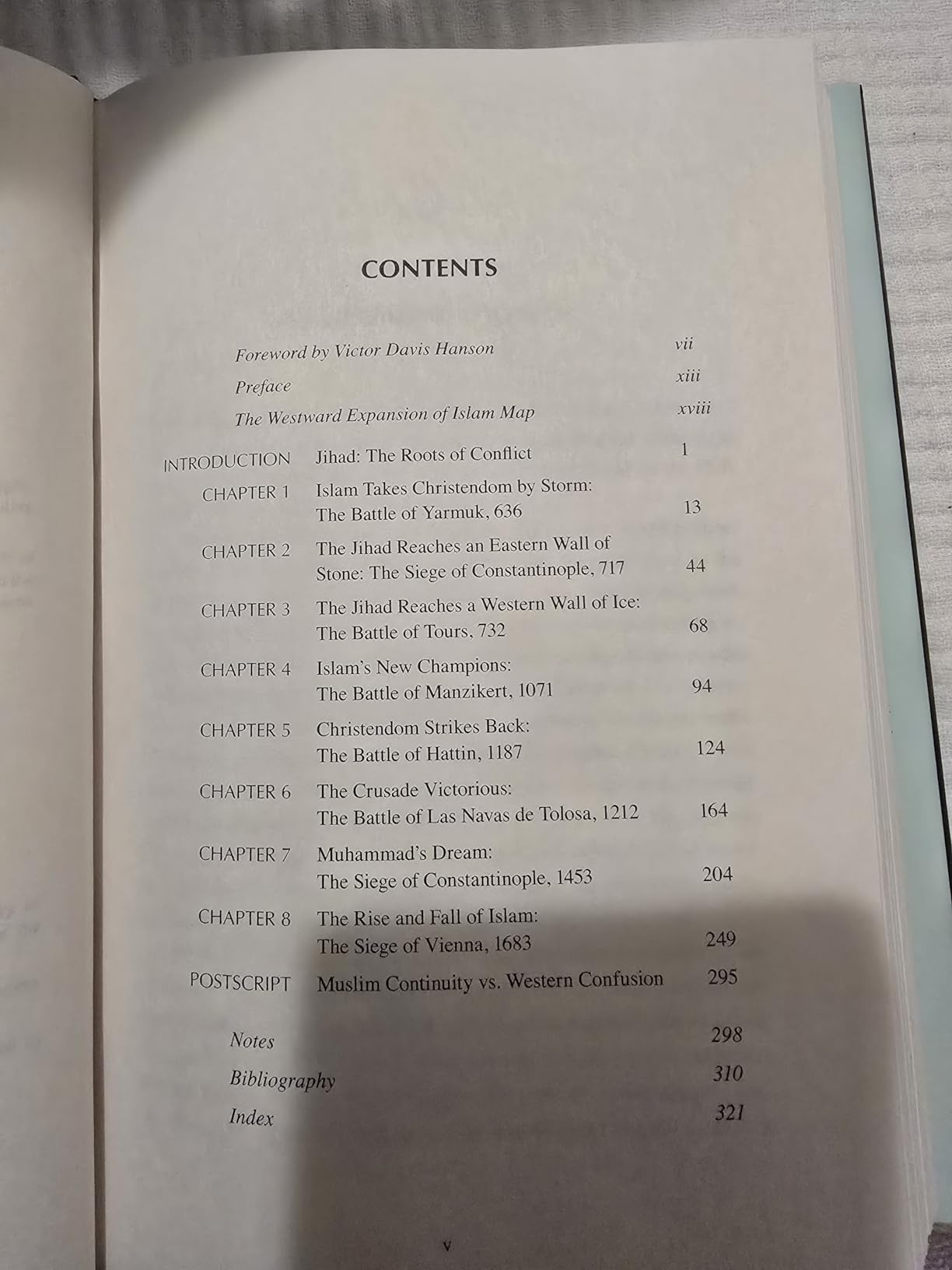
Sword and Scimitar is the most provocative book on this list. Raymond Ibrahim, a scholar of Middle Eastern history at the David Horowitz Freedom Center, argues that military and cultural conflict between the Islamic world and the West has been continuous for fourteen centuries. The book draws on Greek, Latin, and Arabic primary sources to trace battles, sieges, and raids from the time of Muhammad through the Ottoman wars in Europe.
Ibrahim writes with vigor and confidence. The chapter on the Battle of Tours (732), where Charles Martel halted the Umayyad advance into France, is a particular standout. The book’s highest Goodreads rating, 4.8 across 1853 ratings, reflects how compellingly he tells the story.
However, this is also a controversial book. Ibrahim’s framing is unapologetically Western-centric, and several reviewers on Goodreads flag what they see as a selective use of sources. Read it alongside Amin Maalouf’s The Crusades Through Arab Eyes (covered below) for a corrective perspective.
If you want a more neutral survey, try Hugh Kennedy’s The Great Arab Conquests or Robert Hoyland’s In God’s Path. But for readers who want a bold, narrative-driven account of the long arc of Islam-West relations, Sword and Scimitar delivers.
For Whom This Book Works
Readers interested in military history, religious history, and civilizational analysis. It is a strong choice for those who want a counterweight to more neutral academic surveys. Pair it with Maalouf for balance.
Where It Falls Short
The author’s perspective is openly polemical. Readers looking for a neutral survey will find this book one-sided. It is also dense in places, particularly the medieval chapters. Casual readers may find it easier to start with Kennedy or Armstrong.
9. Six Days of War by Michael B. Oren – June 1967 and the making of the modern Middle East
Six Days of War: June 1967 and the Making of the Modern Middle East
Author: Michael B. Oren
496 pages
Publisher: Presidio Press, 2003
Definitive history of the 1967 Six-Day War
Pros
- Detailed multi-perspective account drawing on archives from multiple countries
- Strong diplomatic
- political
- and military analysis
- Foundational text for understanding the modern Middle East
- 4.5 stars across 1662 Goodreads ratings
Cons
- Long diplomatic buildup section can feel slow
- Maps and military detail are limited
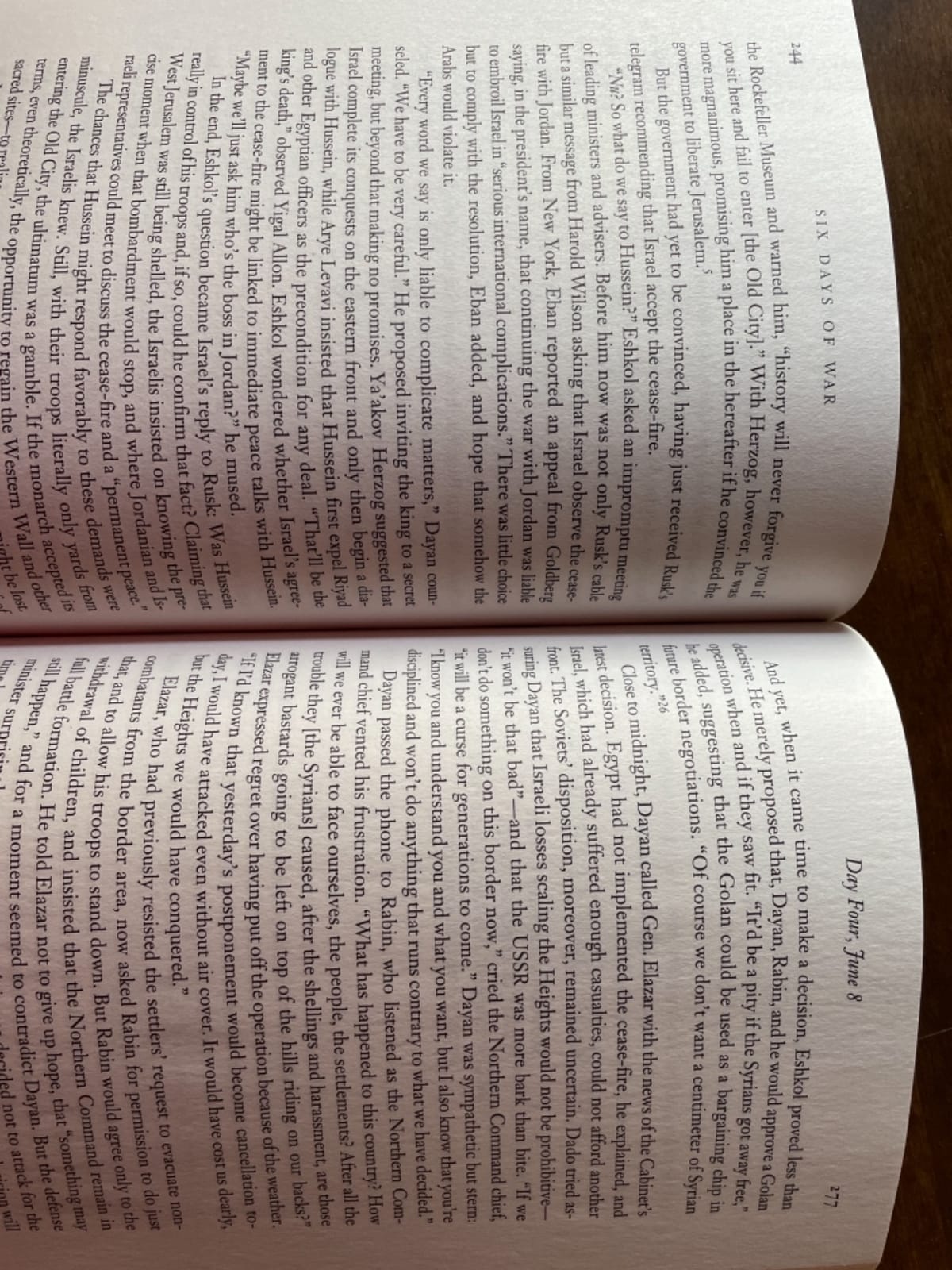
Michael Oren, a former Israeli ambassador to the United States and a military historian, wrote what is widely considered the definitive English-language account of the 1967 Six-Day War. The war reshaped the region: Israel captured the West Bank, Gaza, Sinai, and the Golan Heights; the Arab world entered a period of profound political crisis; and the Palestinian national movement was catapulted onto the world stage.
What I appreciate about Oren’s book is his use of sources from multiple countries. He draws on Israeli, American, Soviet, Egyptian, Jordanian, and Syrian archives to reconstruct the war’s diplomatic and military course. The result is a balanced account that neither whitewashes Israel’s pre-emptive strike nor caricatures Arab decision-making.
For readers interested in the wider Six-Day War context, Oren’s book pairs well with Tom Segev’s 1967 and Lawrence Wright’s Thirteen Days in September, which covers the 1978 Camp David negotiations. With 1662 Goodreads ratings averaging 4.5 stars, the book is a frequent choice for university courses on the Arab-Israeli conflict.
The book does have some weaknesses. The diplomatic buildup, which takes up roughly the first third, can feel slow for readers eager for the military action. And the maps are limited, given the war’s geographic complexity. If you want a more operational view, Abdel Monem Said Aly and Shai Feldman’s The 1967 Arab-Israeli War is a good supplement.
For Whom This Book Works
Readers who want a definitive, multi-perspective account of the war that defined the modern Middle East. It is ideal for military history enthusiasts, students of diplomacy, and anyone trying to understand why the Israeli-Palestinian conflict looks the way it does today.
Where It Falls Short
The diplomatic narrative is dense. Casual readers may find the buildup slow. The military detail, while accurate, is lighter than dedicated operational histories. Also, Oren’s perspective is sympathetic to Israel, though his scholarship remains rigorous.
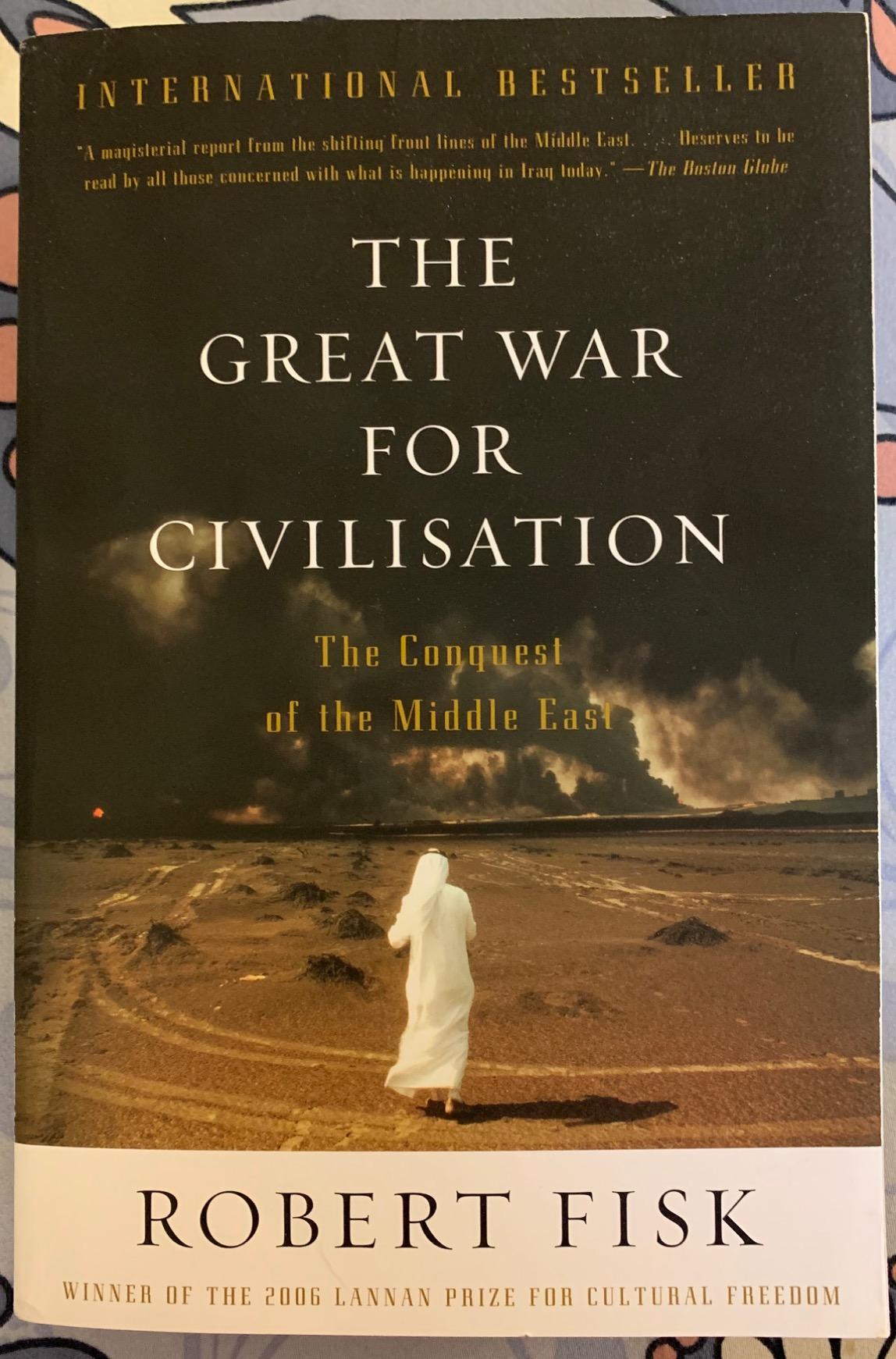
10. The Great War for Civilisation by Robert Fisk – The conquest of the Middle East, told by a correspondent who lived it
The Great War for Civilisation: The Conquest of the Middle East (Vintage)
Author: Robert Fisk
1,136 pages
Publisher: Vintage, 2007
Sweeping 20th-century Middle East history and memoir
Pros
- Vast
- sweeping history by a veteran Middle East correspondent
- Combines journalism
- memoir
- and historical narrative
- Draws on first-hand reporting from decades of conflicts
- 4.6 stars across 1333 Goodreads ratings
Cons
- At 1
- 136 pages
- it is a serious commitment
- Some readers note a strong authorial point of view
Robert Fisk was one of the most decorated Middle East correspondents of the twentieth century. He covered the Iranian revolution, the Soviet invasion of Afghanistan, the Iran-Iraq War, the Gulf War, the Algerian civil war, and the Iraq war. The Great War for Civilisation is his magnum opus: a 1,136-page chronicle of the violence that shaped the modern Middle East, told by a man who was there for much of it.
The book reads like journalism at its best. Fisk has a novelist’s eye for detail and a historian’s instinct for pattern. His portraits of Saddam Hussein, Osama bin Laden, and Ariel Sharon are unflinching, often unsettling. His criticism of Western policy is sharp, and his treatment of the Israeli-Palestinian conflict is one of the more even-handed in the genre.
That said, the book is huge. I read it over three months, picking it up and setting it down as the chapters allowed. Casual readers should consider Fisk’s shorter works, including The Age of Surveillance or Pity the Nation, his Lebanon war memoir. But for a single-volume account of the entire modern Middle East by a writer who lived it, this is unmatched.
Reviewers on Reddit and Goodreads frequently recommend pairing Fisk with Patrick Cockburn’s The Rise of Islamic State and with Rasha Al Adeed’s forthcoming Iraq memoir for a more contemporary picture of the post-2011 period.
For Whom This Book Works
Readers who want a single, sweeping account of twentieth-century Middle East history from a journalist’s perspective. It is the right book for serious readers who want to feel the texture of events, not just the chronology. It is also a natural pairing with Said’s Orientalism for readers interested in how Western coverage has shaped public understanding.
Where It Falls Short
The length is the obvious hurdle. Fisk’s authorial voice is strong, which some readers love and others find heavy-handed. The book ends before the Arab Spring, so readers wanting the post-2011 story will need additional titles.
11. The Crusades Through Arab Eyes by Amin Maalouf – A medieval history reframed
The Crusades Through Arab Eyes (Saqi Essentials)
Author: Amin Maalouf
320 pages
Publisher: Schocken, 1989 (Saqi Essentials)
Crusades history from Arab sources
Pros
- Offers an Arab perspective on the Crusades often missing from Western accounts
- Engaging narrative-driven historical writing
- Provides cultural and political context
- Compact and accessible at 320 pages
Cons
- Some readers note limited sourcing in places
- Older publication may feel dated to some
Amin Maalouf is a Lebanese-French historian and novelist, and The Crusades Through Arab Eyes is one of the most important corrective works in Middle East historiography. He retells the Crusades from the perspective of Arab chroniclers, not the European ones that shaped Western understanding for centuries. The result is a more textured, less mythologized picture of medieval Muslim-Christian conflict.
The book follows figures like Saladin and the historian Usama ibn Munqidh, who served under both Muslim and Crusader lords. Maalouf shows how the Crusades shaped not only military history but also trade, diplomacy, and cultural exchange. It is a more complicated and more interesting story than the one most Western readers know.
This is the right complement to Sword and Scimitar, covered above. Where Ibrahim emphasizes conflict, Maalouf shows the messy coexistence that often accompanied it. With 848 Goodreads ratings averaging 4.6 stars, the book remains a long-standing favorite.
For readers wanting more from Maalouf, his novel Leo Africanus is a sweeping Renaissance-era companion piece, and The Rock of Tanios is a Lebanese historical novel set during the Egyptian occupation.
For Whom This Book Works
Readers interested in the Crusades, medieval history, and the construction of historical narratives. It is a strong choice for those who have read Steven Runciman’s classic but one-sided A History of the Crusades and want a counterweight. It also works well as a reading-group book.
Where It Falls Short
First published in French in 1983 and translated shortly after, the book does not reflect more recent Arabic scholarship. Some readers also note that Maalouf’s sourcing is lighter than academic standards. For a more rigorous treatment, see Carole Hillenbrand’s The Crusades: Islamic Perspectives.
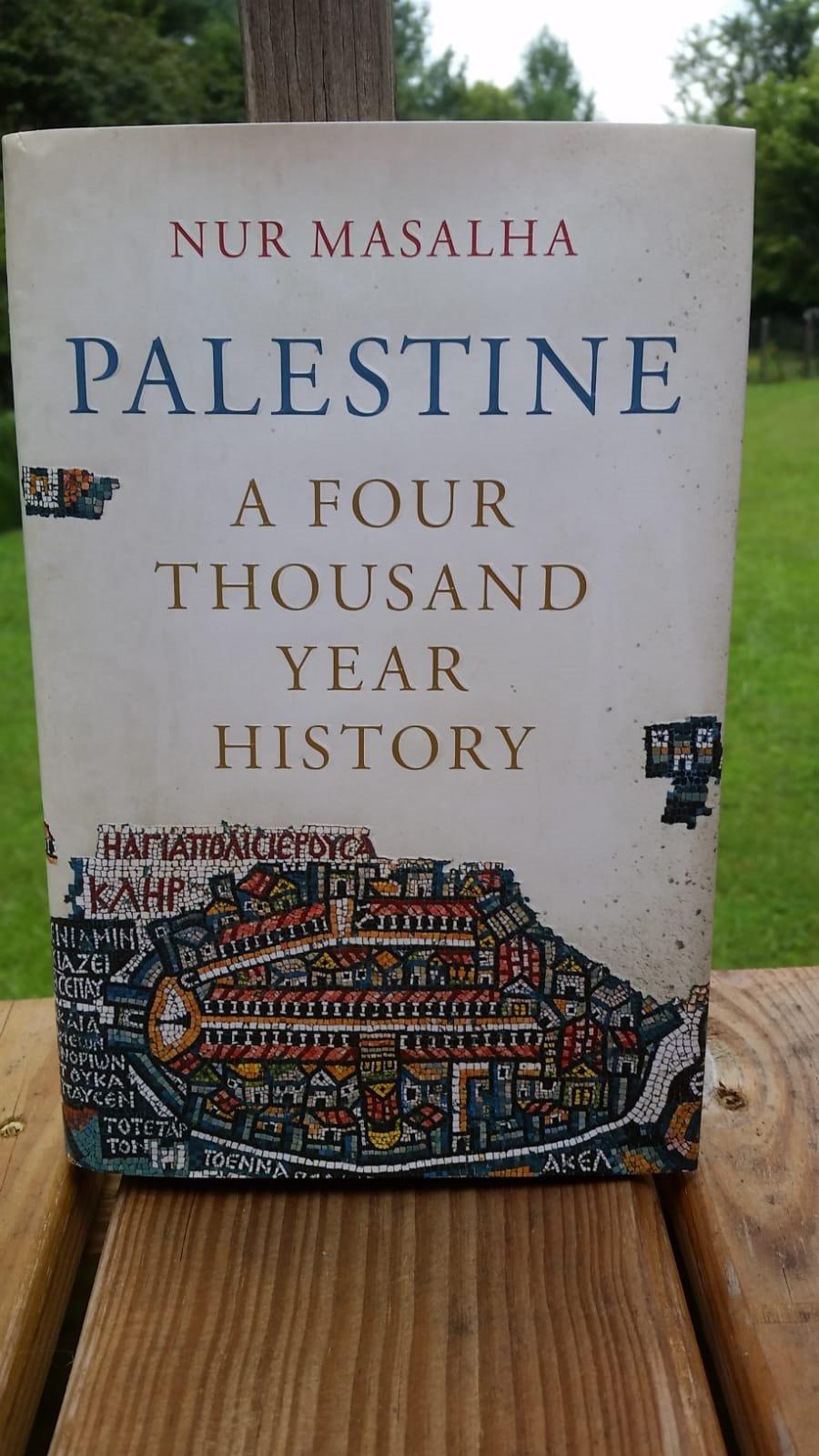
12. Palestine: A Four Thousand Year History by Nur Masalha – A single-volume sweep from antiquity to today
Palestine: A Four Thousand Year History
Author: Nur Masalha
464 pages
Publisher: I.B. Tauris, 2023
4,000-year history of Palestine
Pros
- Sweeping 4
- 000-year history in a single volume
- Authoritative scholarship with extensive primary sources
- Engaging and accessible narrative for general readers
- 4.7 stars across 693 Goodreads ratings
Cons
- Some readers note a particular political framing
- Length and breadth may feel daunting
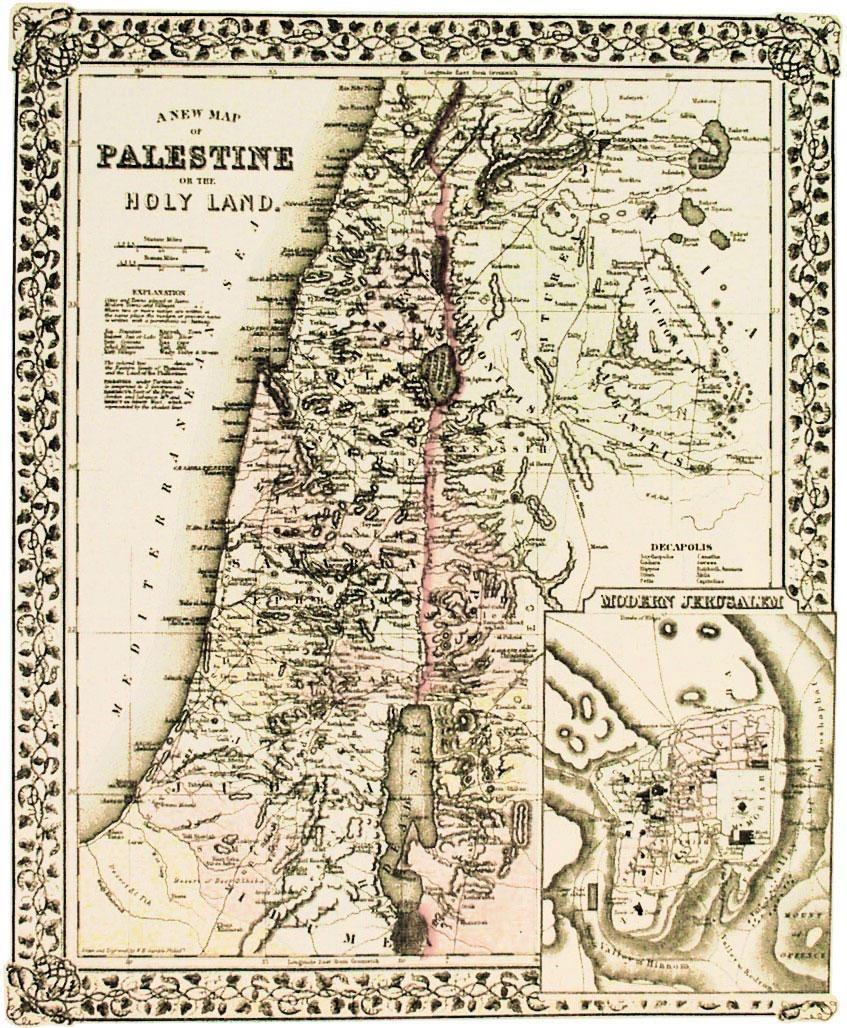
Nur Masalha is a Palestinian-British historian at SOAS, University of London, and Palestine: A Four Thousand Year History, published in 2023, is the most ambitious single-volume history of the region available in English. He traces Palestine from the Bronze Age Canaanites through the biblical kingdoms, Roman and Byzantine rule, the Islamic conquests, the Crusades, Ottoman rule, the British Mandate, and the post-1948 era.
What makes this book stand out is Masalha’s use of archaeological and pre-modern sources. He pushes back against the recent trend of treating Palestine primarily through the lens of the twentieth-century conflict, showing instead that the region’s history is far older and richer. The book does not deny the centrality of the modern conflict, but it places it in a longer arc.
This is the most recent book on my list and one of the most useful for readers who feel that Khalidi’s Hundred Years’ War ends too soon. The two books complement each other well. With 693 Goodreads ratings averaging 4.7 stars, the book has earned quick recognition.
The book’s main criticism is its political framing. Masalha is open about his perspective, and several reviewers note that some chapters feel more analytical than neutral. If you want a counterweight, pair it with Walter Laqueur’s A History of Zionism or Benny Morris’s 1948.
For Whom This Book Works
Readers who want a single book covering the full sweep of Palestinian history. It is ideal for those who have read Khalidi and want more depth. It also works as a university textbook or a reference for journalists and policy professionals.
Where It Falls Short
At 464 pages, the breadth sometimes comes at the cost of depth. Readers interested in a specific period may want to follow up with specialized titles. Masalha’s perspective is openly sympathetic to the Palestinian narrative, which some readers will view as a strength and others as a limitation.
How to Choose the Right Middle East Book for You?
Choosing from the best books about the Middle East depends on what you want to understand and how you prefer to read. Here is a practical framework.
Beginner Reading Pathway
If you are new to the region, start with Eugene Rogan’s The Fall of the Ottomans to understand how the modern borders formed. From there, read Stephen Kinzer’s All the Shah’s Men to grasp the deep roots of U.S.-Iran hostility, then finish with Rashid Khalidi’s The Hundred Years’ War on Palestine for the Palestinian side of the central modern conflict. These three books together take about six weeks of steady reading and give you a strong foundation.
Intermediate Reading Pathway
Once you have the foundation, add Sandy Tolan’s The Lemon Tree for the human dimension, Azar Nafisi’s Reading Lolita in Tehran for Iranian cultural life, and Simon Sebag Montefiore’s Jerusalem for religious and political depth. This second pass adds emotional texture and historical range.
Expert Reading Pathway
For readers ready to go deeper, layer in Michael Oren’s Six Days of War, Robert Fisk’s The Great War for Civilisation, and Nur Masalha’s Palestine: A Four Thousand Year History. These titles demand more patience but reward careful readers with a granular, archive-based picture.
Fiction vs. Nonfiction
Most readers on this list are drawn to nonfiction, but fiction offers truths that history cannot. Hala Alyan’s Salt Houses is the only novel here, and it pairs especially well with Khalidi. If you enjoy translated fiction, also consider Rabih Alameddine, Hanan al-Shaykh, and Elif Shafak.
Country Focus
If you are specifically interested in Palestine, lead with Khalidi, Tolan, Alyan, and Masalha. For Iran, lead with Kinzer and Nafisi. For the broader Arab world, lead with Rogan and Fisk. For Ottoman history, Montefiore and Rogan are your core pair.
Author Credibility
Every author on this list has scholarly or journalistic credentials. Khalidi, Rogan, Oren, Montefiore, and Masalha are tenured historians at major universities. Kinzer and Fisk are veteran foreign correspondents. Nafisi, Alyan, and Maalouf are both scholars and writers. Ibrahim is a research fellow at a Middle East studies center.
Frequently Asked Questions
What are some popular books about Arab culture?
For Arab culture and literary voices, start with Hala Alyan’s Salt Houses for a Palestinian family across generations, Azar Nafisi’s Reading Lolita in Tehran for Iranian intellectual life, and Amin Maalouf’s The Crusades Through Arab Eyes for Arab perspectives on medieval history. For translated literary fiction, try Rabih Alameddine’s An Unnecessary Woman, Hanan al-Shaykh’s The Story of Zahra, or Elif Shafak’s The Bastard of Istanbul. These books give you a feel for how Arabs and Iranians see themselves, not how the West has imagined them.
What are some good books on Islamic history and culture?
For Islamic history and culture, three titles stand out. Karen Armstrong’s Islam: A Short History is the most accessible single-volume introduction. Tamim Ansary’s Destiny Disrupted covers Islamic civilization from Muhammad to the modern era in narrative form. For a more scholarly treatment, Hugh Kennedy’s The Great Arab Conquests is excellent on the early expansion. Pair any of these with Maalouf’s The Crusades Through Arab Eyes for medieval context, or with Armstrong’s Muhammad: A Prophet for Our Time for the founder’s biography.
What is the most authentic book on Islamic history?
There is no single most authentic book, because authenticity depends on the reader’s perspective. Many readers consider Tamim Ansary’s Destiny Disrupted the most accessible insider account because Ansary is an Afghan-American writer raised in both Muslim and Western traditions. For a primary-source approach, Ibn Khaldun’s The Muqaddimah, written in the fourteenth century, remains the foundational text. For a modern academic perspective, Marshall Hodgson’s The Venture of Islam is comprehensive, though dense.
What book should I read to understand the Middle East?
For a single book that explains the modern Middle East, Eugene Rogan’s The Fall of the Ottomans is the best starting point. It traces the region’s current borders back to World War I and the collapse of the Ottoman Empire, which is the source of most modern conflicts. From there, Stephen Kinzer’s All the Shah’s Men explains U.S.-Iran relations, and Rashid Khalidi’s The Hundred Years’ War on Palestine covers the Palestinian side of the central conflict. Together, these three give you a working understanding in roughly 1,150 pages.
What is the best book on the Israeli-Palestinian conflict?
The most balanced single-volume account is Rashid Khalidi’s The Hundred Years’ War on Palestine, which covers 1917 to 2017 from a Palestinian perspective with rigorous archival research. Michael B. Oren’s Six Days of War is the best Israeli-perspective account of the 1967 war that defined the modern conflict. For a more human-centered approach, Sandy Tolan’s The Lemon Tree tells the conflict through one shared house in Ramle. Read Khalidi and Oren together for a fuller picture, then add Tolan for the emotional texture.
Final Recommendation: The Best Books About the Middle East to Read Now
The best books about the Middle East are the ones that complicate what you think you know. After two years of reading in this space, I return most often to Rashid Khalidi’s The Hundred Years’ War on Palestine as my single best recommendation. It is current, deeply researched, narratively powerful, and indispensable for understanding the conflict that will define the region’s next decade.
For readers who want a foundation, pair Khalidi with Eugene Rogan’s The Fall of the Ottomans and Stephen Kinzer’s All the Shah’s Men. For readers who want emotional texture, add Sandy Tolan’s The Lemon Tree and Hala Alyan’s Salt Houses. Together, those five books give you a working knowledge of the modern Middle East that will serve you well in 2026 and beyond. Pick the first one that matches your interest, and start reading today.