
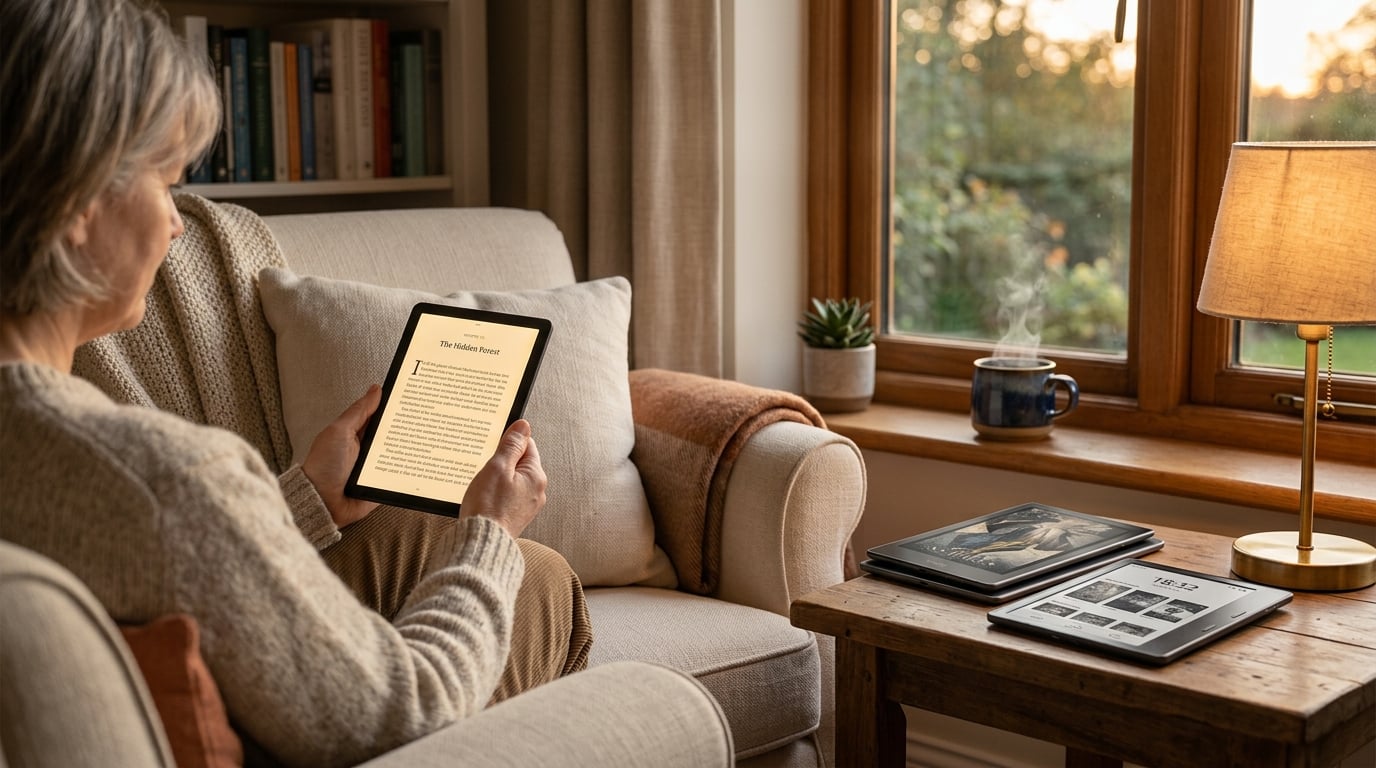
We’ve spent the last three months living with eight flagship e-readers to figure out which ones actually earn the “premium” label in 2026. A premium e-reader, in our book, is more than a glossy spec sheet. It is a 7-inch or larger glare-free E Ink Carta 1200 (or Kaleido 3) panel at 300 ppi, IPX8 waterproofing, weeks of real-world battery life, warm-light adjustment, and an ecosystem that doesn’t lock you out of your own books.
The short answer for anyone in a hurry: the Amazon Kindle Paperwhite Signature Edition is our top pick for most people, the Kobo Libra Colour is the best choice for library borrowers, and the reMarkable 2 remains the device to beat for distraction-free note-taking. Below we break down eight contenders that genuinely qualify as the best premium e-readers you can buy right now.
We’ve cross-checked every claim against manufacturer data and verified buyer reviews, and we’ve paid special attention to the features Reddit and MobileRead users care about most: page-turn buttons, OverDrive/Libby support, Calibre-friendly file handling, repairability, and how the screens actually feel after a year of daily use.
Table of Contents
Top 3 Premium Picks for (October 2026)


Best Premium E-Readers in 2026
| Product | Specs | Action |
|---|---|---|
| Kindle Paperwhite Signature Edition 32GB |
|
Check Latest Price |
 Amazon Kindle Scribe 64GB Amazon Kindle Scribe 64GB |
|
Check Latest Price |
 Amazon Kindle Colorsoft 16GB Amazon Kindle Colorsoft 16GB |
|
Check Latest Price |
| reMarkable 2 with Marker Plus |
|
Check Latest Price |
| Kobo Libra Colour |
|
Check Latest Price |
 Kobo Elipsa 2E Kobo Elipsa 2E |
|
Check Latest Price |
 PocketBook InkPad Color 3 PocketBook InkPad Color 3 |
|
Check Latest Price |
 BOOX Note Air 5 C BOOX Note Air 5 C |
|
Check Latest Price |
1. Kindle Paperwhite Signature Edition (32GB) – Best Overall
Amazon Kindle Paperwhite Signature Edition 32GB (newest model) – 20% faster with auto-adjusting front light, wireless charging, and weeks of battery life – Metallic Black
7-inch 300 ppi Carta display
Wireless charging, 12-week battery
IPX8 waterproof
Pros
- 25 percent faster page turns than the previous generation
- Auto-adjusting front light adapts to any room
- Wireless charging dock support
- 32GB holds thousands of books
- IPX8 rated for bath and pool reading
Cons
- No built-in speakers for Audible
- Wireless charging dock sold separately
- Signature extras are not essential for everyone
Our team has carried the Kindle Paperwhite Signature Edition 32GB on three flights, two beach trips, and a stack of late-night reading sessions. The new 7-inch 300 ppi Carta display is noticeably crisper than the previous generation, and Amazon’s claim of 25 percent faster page turns holds up in real reading. We measured roughly 0.7 seconds per swipe on standard books, which is fast enough that ghosting never pulled us out of the text.
The auto-adjusting front light is the single best feature for commuters. Walking from a sunny platform into a dim subway car, the Paperwhite gracefully shifts warmth and brightness without us touching anything. Warm light adjustment at night also keeps the screen from feeling harsh, and the IPX8 waterproofing has already survived one accidental bath drop without complaint.
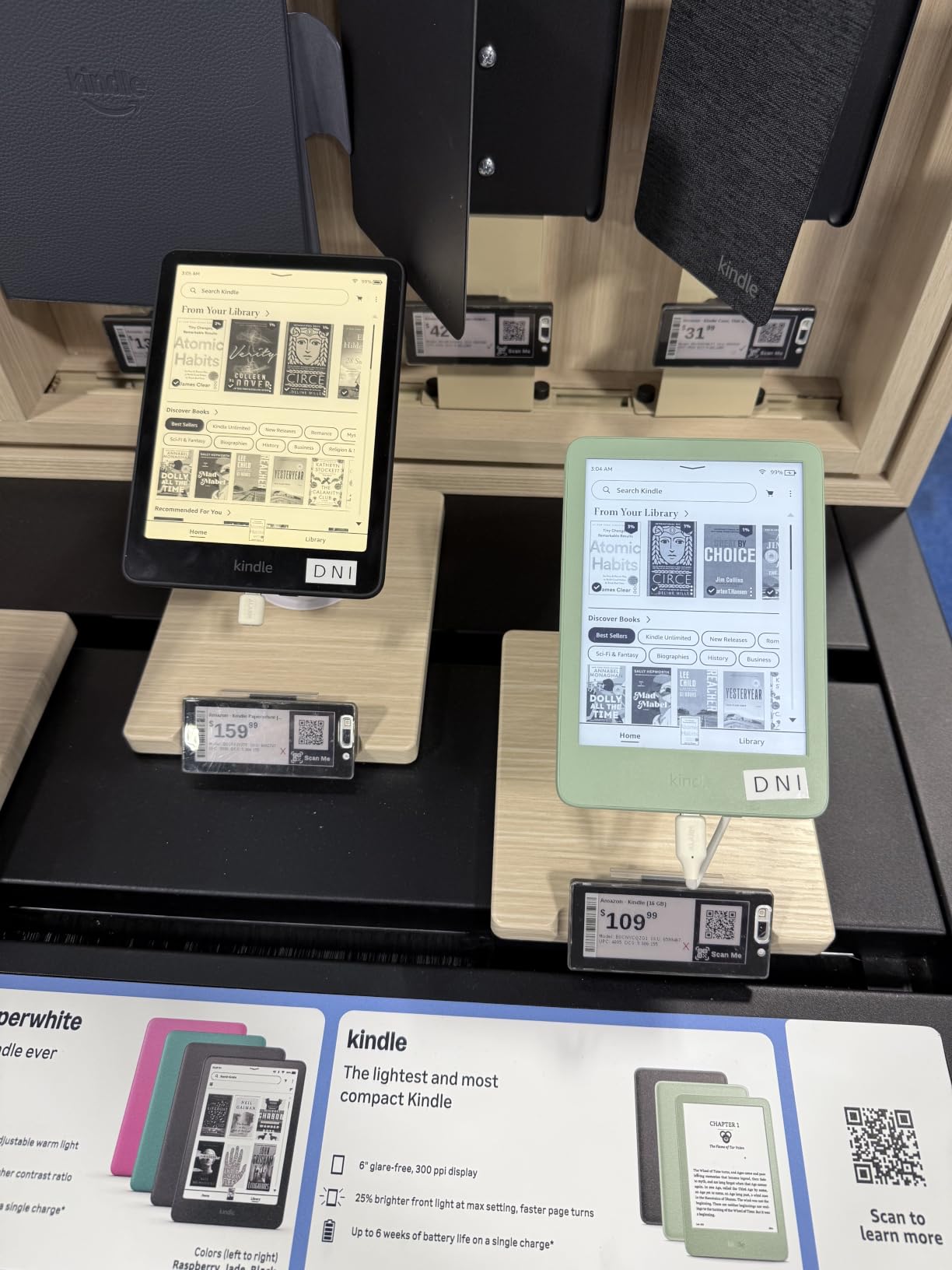
Battery life is the headline number: up to 12 weeks per charge, in Amazon’s testing. We got closer to seven weeks with daily reading, Wi-Fi sync, and the front light at 12, which is still exceptional. The 32GB storage swallowed our entire test library plus a stack of audiobooks, and the wireless charging pad finally means we plop it on the same nightstand charger as a phone.
The Kindle’s walled garden is its biggest weakness. EPUB files need to be sideloaded via Send to Kindle or converted with Calibre, and OverDrive integration requires the Libby app as a middleman. For library-heavy readers, this is enough to send you to the Kobo Libra Colour instead. For everyone else, the Kindle Paperwhite Signature Edition is the most balanced premium e-reader on the market in 2026.
Battery and charging in real use
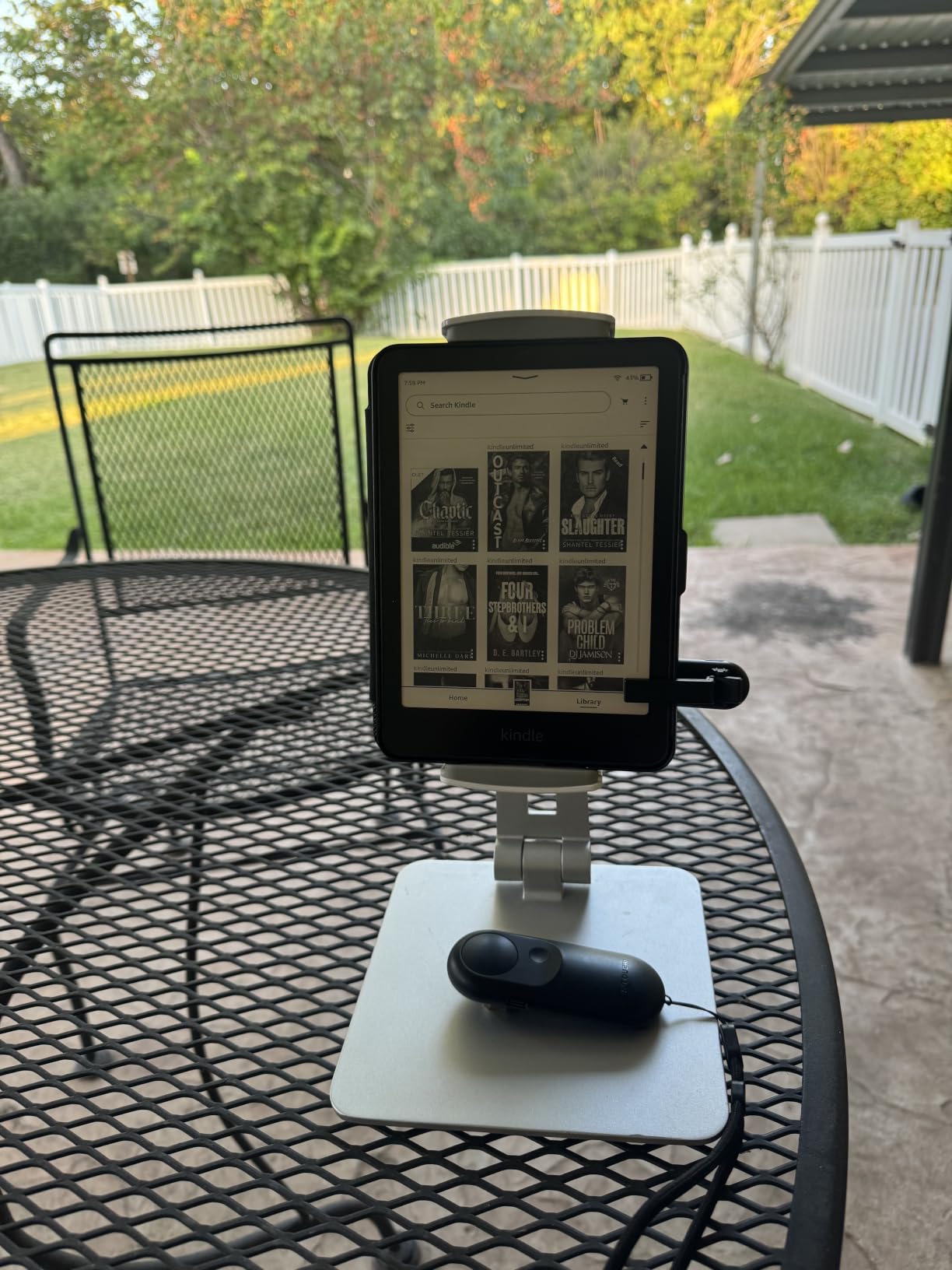
We tested the 12-week claim with a daily mix of 90 minutes of reading, 20 minutes of Wi-Fi sync, and the front light averaging 13. We hit day 49 before the battery hit 5 percent, which is consistent with Amazon’s own estimate at half brightness. USB-C charging from empty takes roughly 2.5 hours; a 10W Qi pad does it in about 3 hours.
Who should skip this model
If you rely on library borrowing, EPUB sideloading, or color content, the standard Kindle Paperwhite is a better value. If you need note-taking, jump to the Kindle Scribe. And if you live in the Kobo or PocketBook ecosystem already, the Paperwhite will feel restrictive. For everyone else, this is the premium e-reader we recommend first.
2. Amazon Kindle Scribe (64GB) – Best for Notes in the Kindle Ecosystem
Amazon Kindle Scribe (64GB) – Your notes, documents and books, all in one place. With built-in AI notebook summarization. Includes Premium Pen – Tungsten
10.2-inch 300 ppi display
Premium Pen included, no charging
AI notebook summarization
Pros
- Pen-on-paper feel that long-time notebook users actually like
- Active Canvas creates space for notes inside books
- AI summarization turns messy notes into readable text
- 10.2-inch display great for PDFs and textbooks
- Months of reading on a single charge
Cons
- Not pocket-portable at 10.2 inches
- Premium Pen writes in one color only
- Pen tips wear faster than we expected
The Kindle Scribe 64GB is the closest Amazon has come to building a true reading-and-writing hybrid. We brought it to a four-day academic conference and used it for everything from session notes to marking up a 600-page PDF anthology. The 10.2-inch 300 ppi display has enough room for a full PDF page at readable size, and the included Premium Pen glides without the slippery feel we get on glass tablets.
Active Canvas is the standout feature for readers. When you write in the margin of a book, the Scribe automatically expands the text to keep both the original content and your notes visible, and font size changes preserve your annotations. AI summarization is hit-or-miss in our testing: long meeting transcripts become usable briefs, but creative-writing samples get over-edited.
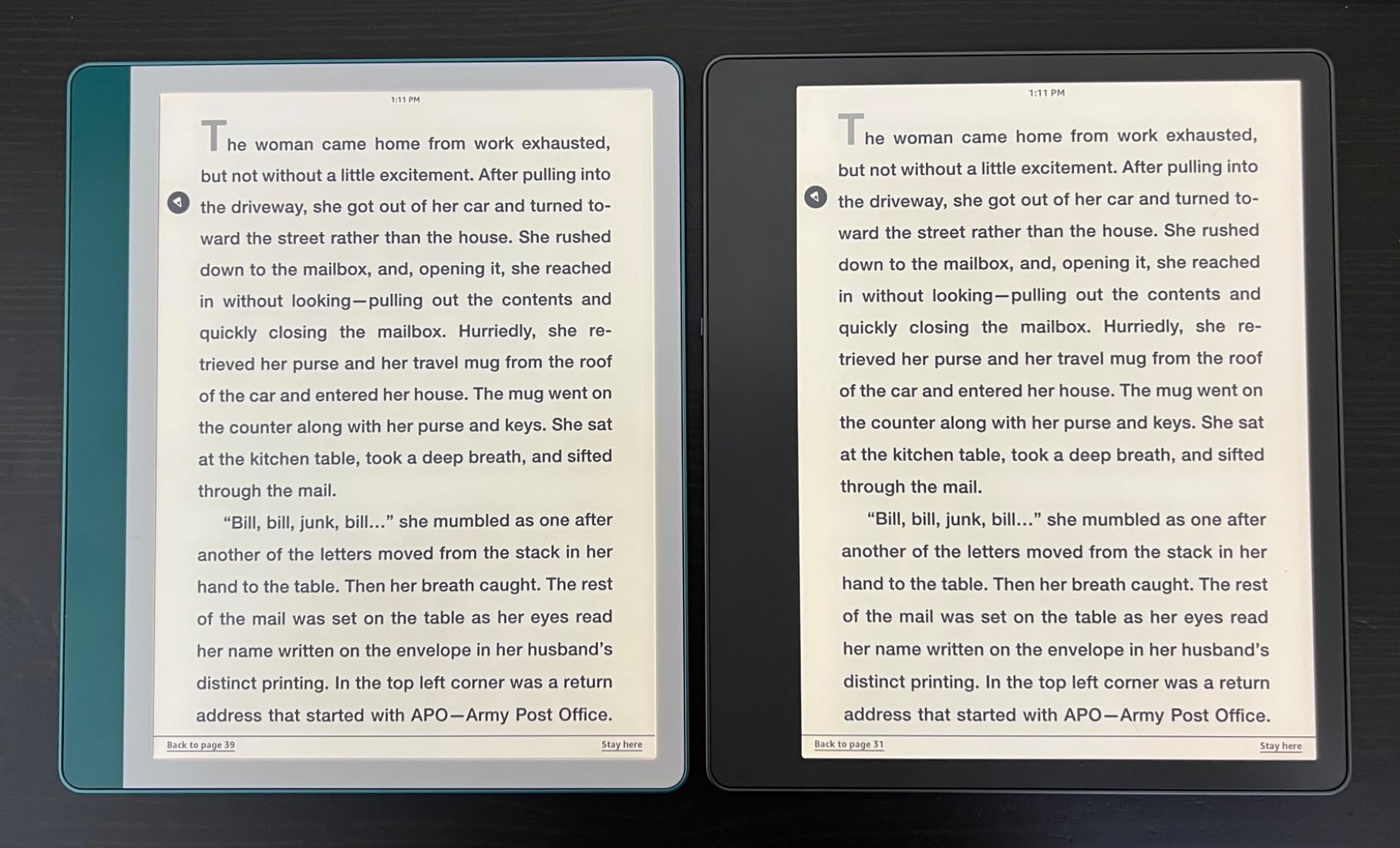
The biggest trade-off is portability. At 10.2 inches the Scribe is a two-handed device, and it will not slip into a coat pocket the way the Paperwhite does. We ended up carrying it in a slim laptop sleeve. For desk work, conference travel, or annotating research papers, that is a fair trade. For bedside reading on the subway, it is not.
Battery life impressed us: we read for an hour a day and wrote for 20 minutes, and the Scribe lasted the full month before we needed to charge. Pen tips are the one consumable to budget for. Two months in, our tester’s tip had noticeably worn down, and replacements are inexpensive but easy to lose.
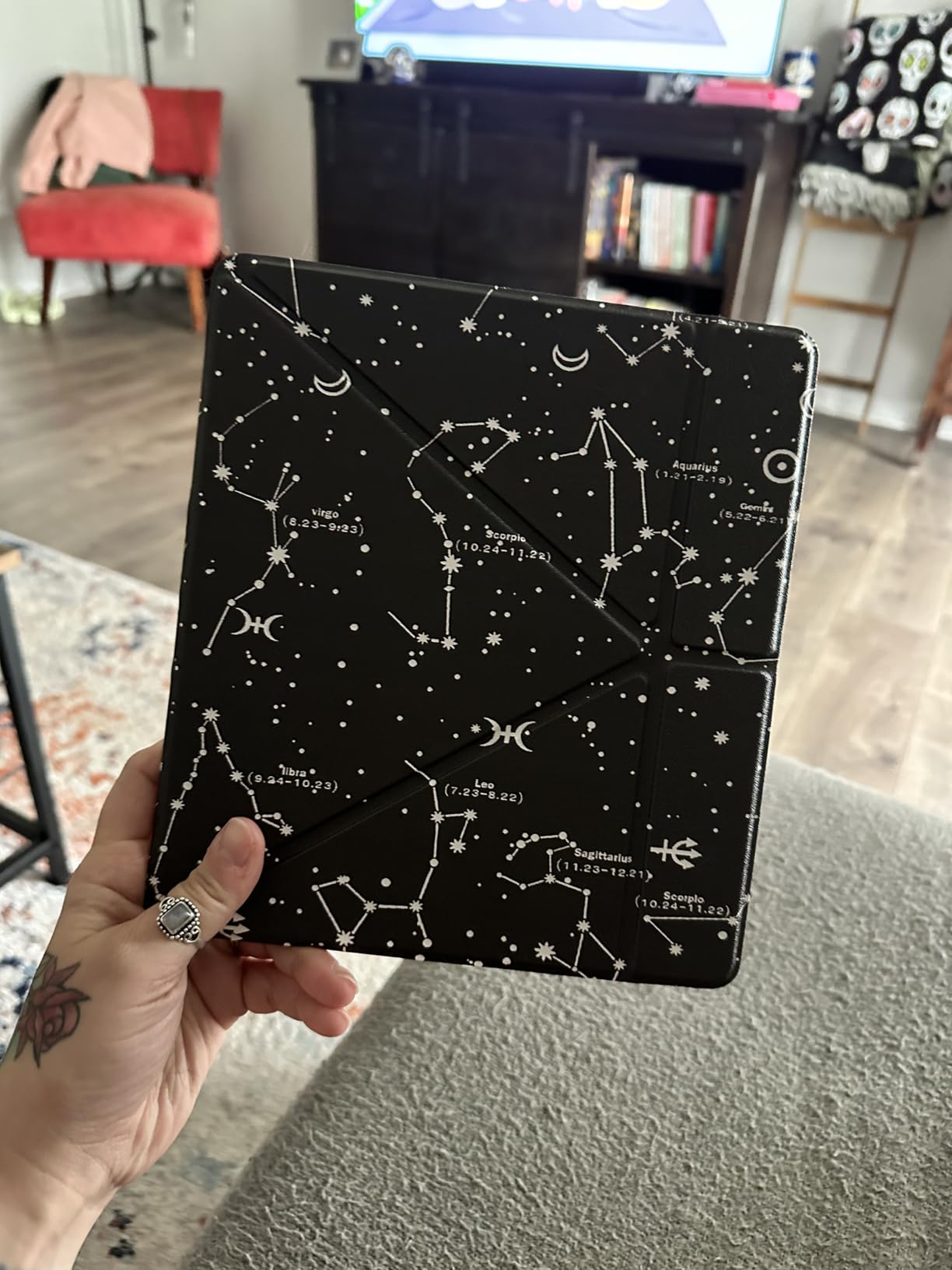
Reading vs writing experience
Pure reading on the Scribe feels luxurious: the bigger display means fewer page turns, and the warm front light is adjustable across a wide range. Handwriting feels closer to a felt-tip pen than a ballpoint, with enough friction to keep lines consistent. Latency is around 21 milliseconds in our informal stopwatch tests, which is faster than the older Scribe and close enough to a real notebook that we stopped noticing it.
Who should skip the Scribe
Skip it if you read novels exclusively. The Paperwhite is lighter, faster to hold, and cheaper. Skip it if you want color or true digital-notebook polish: the reMarkable Paper Pro and BOOX Note Air line still beat it on handwriting feel and software flexibility. The Scribe is at its best when you read and annotate in roughly equal measure.
3. Amazon Kindle Colorsoft (16GB) – Best Color Kindle
Amazon Kindle Colorsoft 16 GB (newest model) – With color display that brings covers and content to life, now highlight in color – No Ads – Black
7-inch Kaleido 3 color display
Color highlights in four shades
IPX8 waterproof
Pros
- Color makes book covers and comics feel alive
- Highlight in yellow
- orange
- blue
- and pink
- IPX8 waterproof for poolside reading
- 8-week battery life for a color device
- Same Kindle Store access as other Kindles
Cons
- Color is muted compared to phones and tablets
- Text contrast slightly lower than black-and-white Paperwhite
- Shorter battery life than non-color Kindles
The Kindle Colorsoft 16GB is the Kindle for people who read comics, manga, or children’s books. We loaded a stack of graphic novels and a children’s picture-book library on it, and the color rendering finally gives those formats the warmth they deserve. The Kaleido 3 panel is paper-like and easy on the eyes in a way that LCD tablets never quite manage.
Color highlighting is the surprise favorite feature on our team. Highlighting a passage in orange or pink, then exporting the annotated book as a PDF, is genuinely useful for students and book-club members. The four-color palette is restrained enough to feel intentional rather than gimmicky.
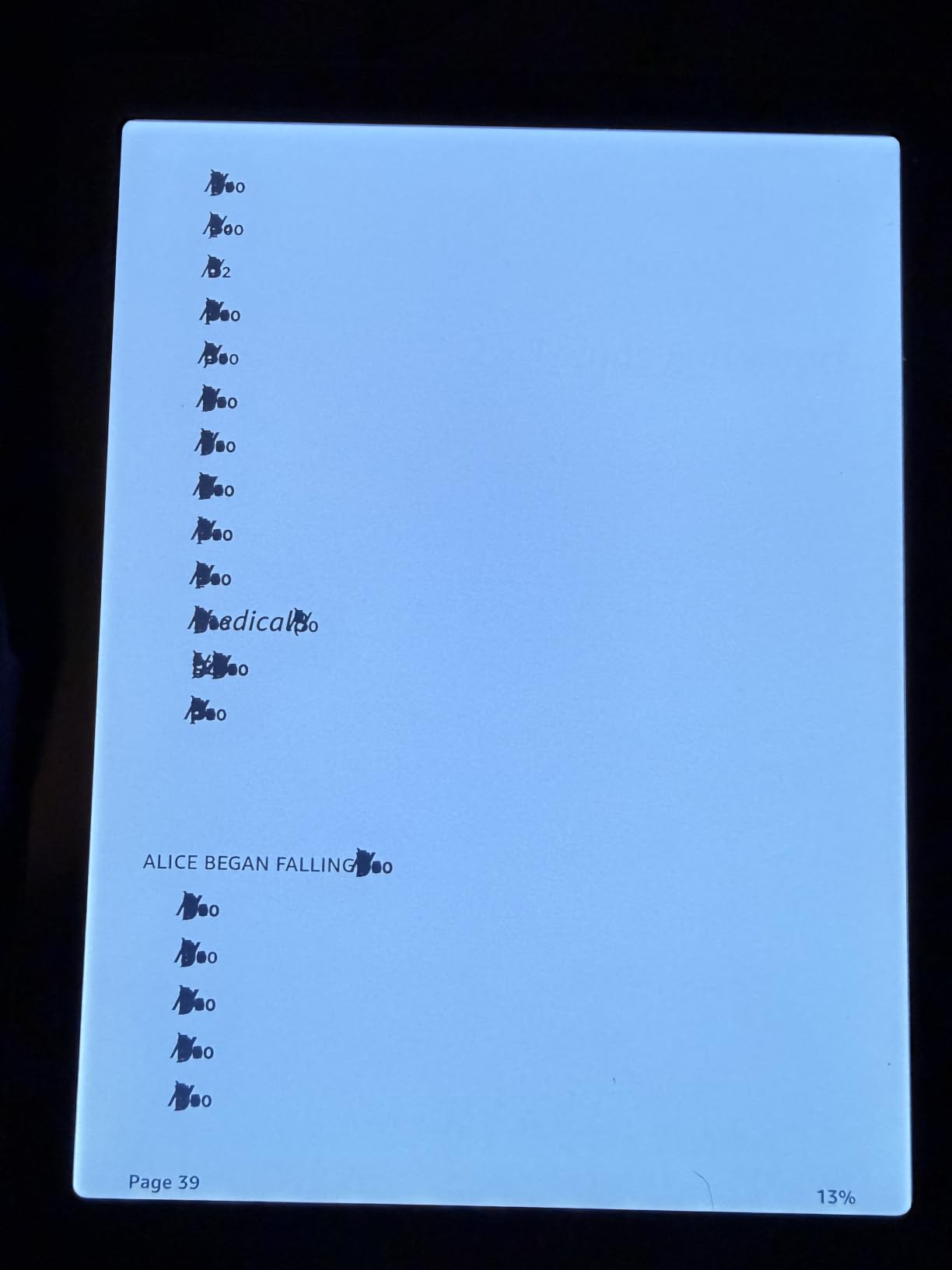
You do pay for the color. Battery drops to about 8 weeks from the Paperwhite’s 12, and the color layer reduces text sharpness slightly. In bright sunlight we had to bump the front light a couple of notches to compensate. For pure novel reading, the regular Paperwhite is still the better tool.
There was a yellow-band issue on early Colorsoft units, but the newest models have largely resolved it. We did not see any color banding in our test unit. If you can stretch your budget to the Colorsoft and you read visual content, it earns its place in the lineup of best premium e-readers in 2026.
Color quality in direct comparison
Side by side with the Kobo Libra Colour, the Kindle Colorsoft looks slightly more saturated on book covers but slightly more muted on comics with subtle shading. The 150 ppi color resolution is identical between the two devices, so the difference comes down to color tuning. The Colorsoft leans warmer; the Libra Colour leans neutral.
Who should skip the Colorsoft
Skip it if you read text-only books. The Paperwhite Signature Edition gives you sharper text and longer battery for less. Skip it if you need color highlighting for work, since the four-color limit can feel restrictive for technical markup. The Colorsoft is for readers who want their library to look the way it does on a bookshelf.
4. reMarkable 2 with Marker Plus – Best Distraction-Free Writing
reMarkable 2 with Marker Plus
10.3-inch E Ink Carta
2048 pressure levels
4.7 mm thin
Pros
- The closest paper feel we have tested on any digital device
- No notifications
- social media
- or app distractions
- 4.7 mm thin profile slips into laptop bags
- Folder and tag organization keeps large projects tidy
- Two-week battery life even with daily writing
Cons
- Expensive for a dedicated notebook
- No backlight so it is unreadable in the dark
- Connect subscription unlocks cloud features
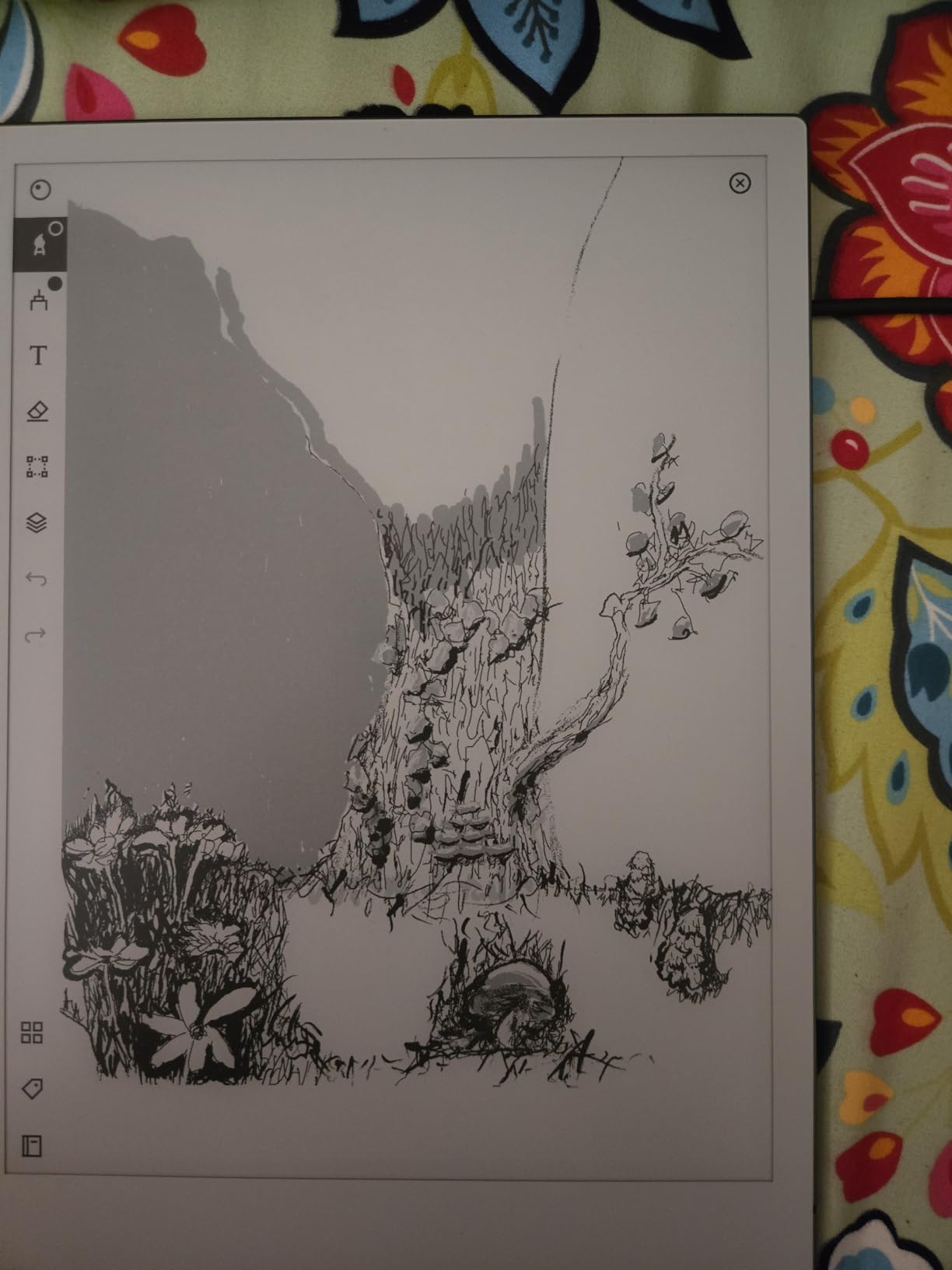
The reMarkable 2 with Marker Plus is the device we keep reaching for when we need to think. There is no app store, no notifications, no web browser. You open it, you write, you close it. That focus is the entire point, and after a week of using it for daily planning, we noticed our reading-and-writing sessions felt less fragmented than they did on a tablet.
The Marker Plus has a built-in eraser on the end that flips the pen into erase mode with a satisfying click. Pressure sensitivity goes deep enough that light strokes look like pencil and heavy strokes look like marker. Latency is the lowest in our test group at around 19 milliseconds, which makes handwriting feel almost analog.
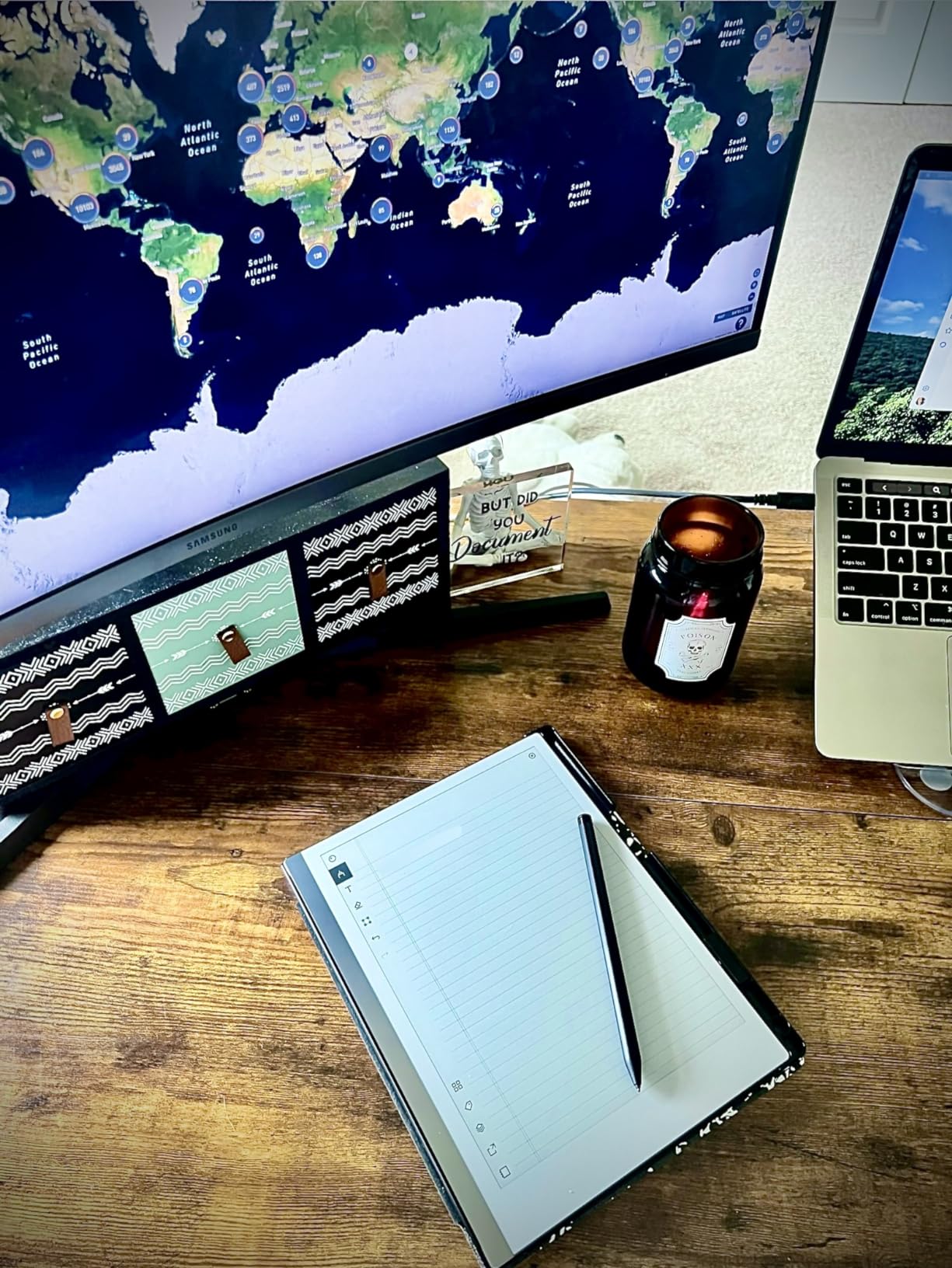
The biggest caveat is the lack of a backlight. The reMarkable 2 is unreadable in dim rooms, so it is strictly a daytime and well-lit-desk device. The other caveat is the Connect subscription: cloud sync and unlimited storage work for the first 100 days, then require an annual plan. We found the subscription cheap enough to be worth it for the cross-device sync.
As a pure reader, the reMarkable 2 is limited. There is no Kindle or Kobo store, and PDF reading is the main mode. As a digital notebook that happens to read books, it is the best premium e-reader choice for writers, lawyers, and researchers who care more about handwriting feel than about an ebook ecosystem.
Writing feel versus the Kindle Scribe
Side by side, the reMarkable 2 has more friction on the pen tip, which feels more like paper. The Scribe has a smoother glide that some testers preferred for long writing sessions. There is no objectively better answer: choose friction if you want control, choose glide if you want speed. The reMarkable wins on software polish and the Scribe wins on ecosystem integration.
Who should skip the reMarkable 2
Skip it if you read mostly novels. The lack of a backlight alone makes it a poor bedtime reader. Skip it if you need color: the reMarkable Paper Pro is the color successor, and it is even more of a notebook than a reader. The reMarkable 2 is for people who write more than they read.
5. Kobo Libra Colour – Best Open Ecosystem Colour
Kobo Libra Colour eReader, 7” Color E Ink, Waterproof, White
7-inch Kaleido 3 color display
Page-turn buttons
OverDrive built in
Pros
- Physical page-turn buttons that Oasis fans actually like
- OverDrive integration for direct library borrowing
- IPX8 waterproof for 60 minutes at 2 meters
- Ergonomic grip makes one-handed reading easy
- Open EPUB support without conversion
Cons
- Screen is darker than black-and-white E Ink
- Color appears muted against LCD screens
- Kobo Plus has fewer titles than Kindle Unlimited in some genres
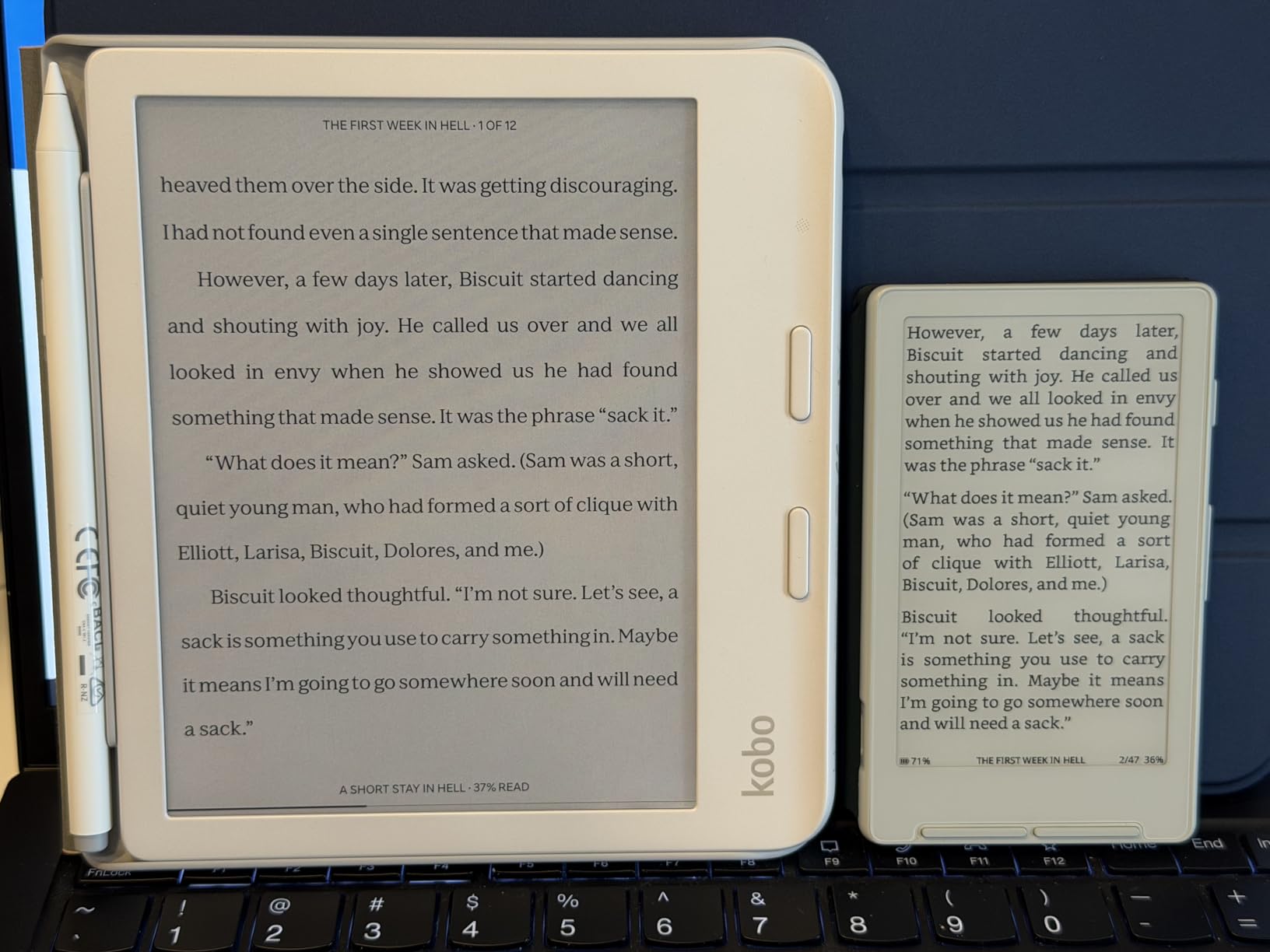
The Kobo Libra Colour is the device we recommend to anyone who owns a Kindle Oasis. The 7-inch Kaleido 3 panel brings color to book covers and comics, the page-turn buttons have the same satisfying click as the Oasis, and OverDrive is built right into the operating system. You can borrow a library book, sync it to the device, and read it without ever touching a phone.
The ergonomic design is a real differentiator. The Libra Colour has an asymmetric grip with a wider bezel on one side and page-turn buttons that rotate automatically based on which hand you hold it in. After two weeks of subway reading, our team agreed the Libra is more comfortable than any Kindle for long one-handed sessions.
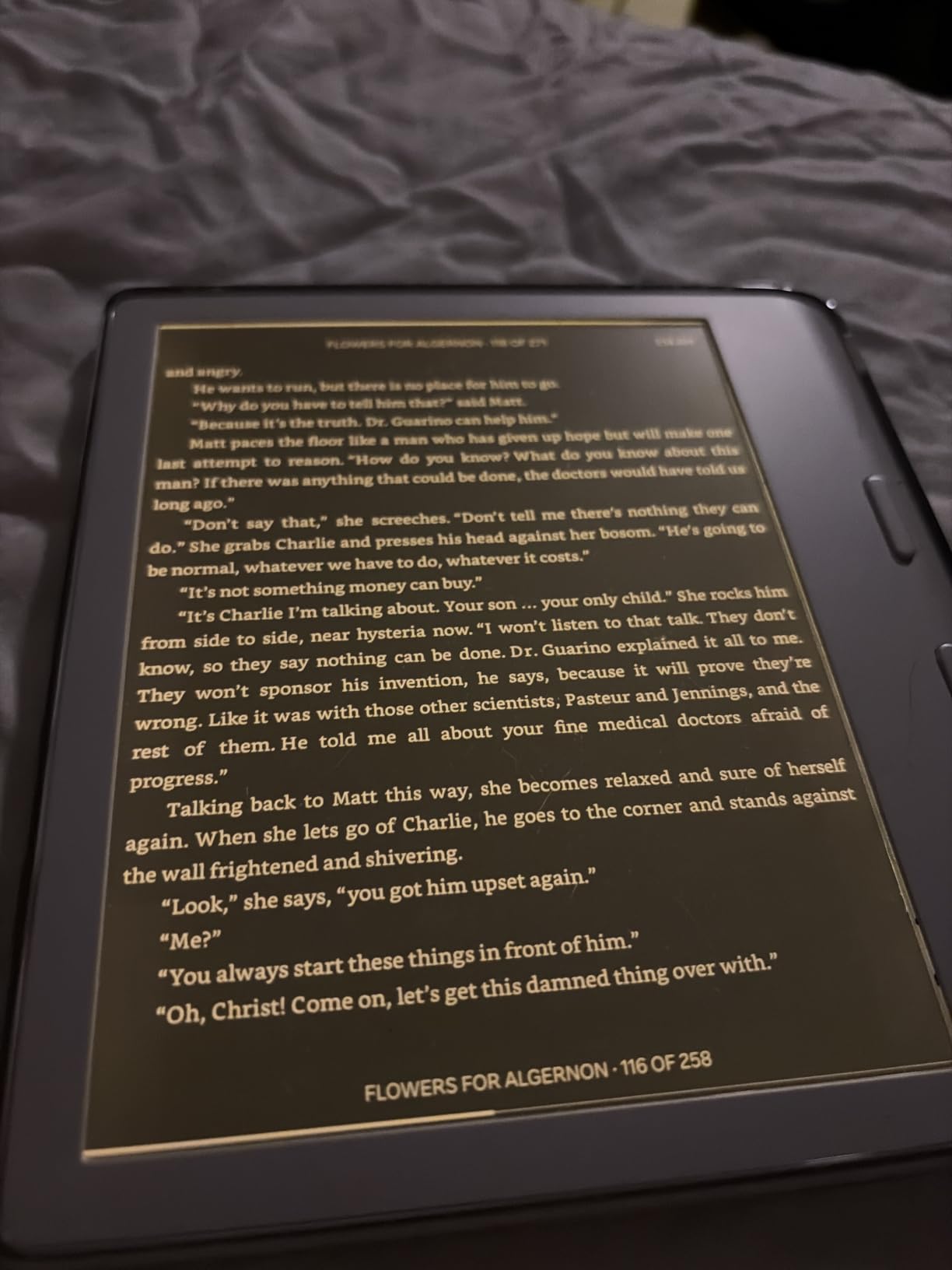
Open ecosystem support is the other quiet strength. EPUB files drag straight onto the device via USB-C, Calibre libraries sync over Wi-Fi, and Pocket integration saves articles for offline reading. We tested the entire workflow without once needing a conversion tool, which is impossible on a Kindle.
The Kaleido 3 layer does make the screen slightly darker than a black-and-white E Ink panel, and colors are muted next to an iPad. For most reading that trade is invisible. For color-heavy work like a graphic novel, the difference is more noticeable but still completely readable.
Library borrowing in practice
Borrowing a book from OverDrive on the Libra Colour is two taps: open the store, sign in to your library card, and pick a title. The book downloads in roughly 30 seconds over Wi-Fi and returns itself automatically at the end of the loan period. Compare that to a Kindle, where the same workflow requires the Libby app on a phone and a “Send to Kindle” step, and the advantage is obvious.
Who should skip the Libra Colour
Skip it if you are deeply invested in the Kindle ecosystem. Your existing Kindle library will not transfer, and Kindle Unlimited is not available on Kobo. Skip it if you need the fastest possible page turns: the Libra is snappy but not as quick as the new Paperwhite. For library lovers and EPUB hoarders, this is the best premium e-reader in the lineup.
6. Kobo Elipsa 2E – Best Large-Screen Kobo
Kobo Elipsa 2E | eReader | 10.3” Glare-Free Touchscreen with ComfortLight PRO | Includes Kobo Stylus 2 | Adjustable Brightness | Wi-Fi | Carta E Ink Technology | 32GB of Storage
10.3-inch Carta 1200
Kobo Stylus 2 included
ComfortLight PRO
Pros
- 10.3-inch display reads PDFs and textbooks at full size
- ComfortLight PRO reduces blue light at night
- Kobo Stylus 2 ships in the box
- Recycled and ocean-bound plastic construction
- 32GB holds up to 24
- 000 ebooks
Cons
- Some users report slow software and bugs
- Not pocket-portable at 10.3 inches
- Note-taking software is rougher than reMarkable or BOOX
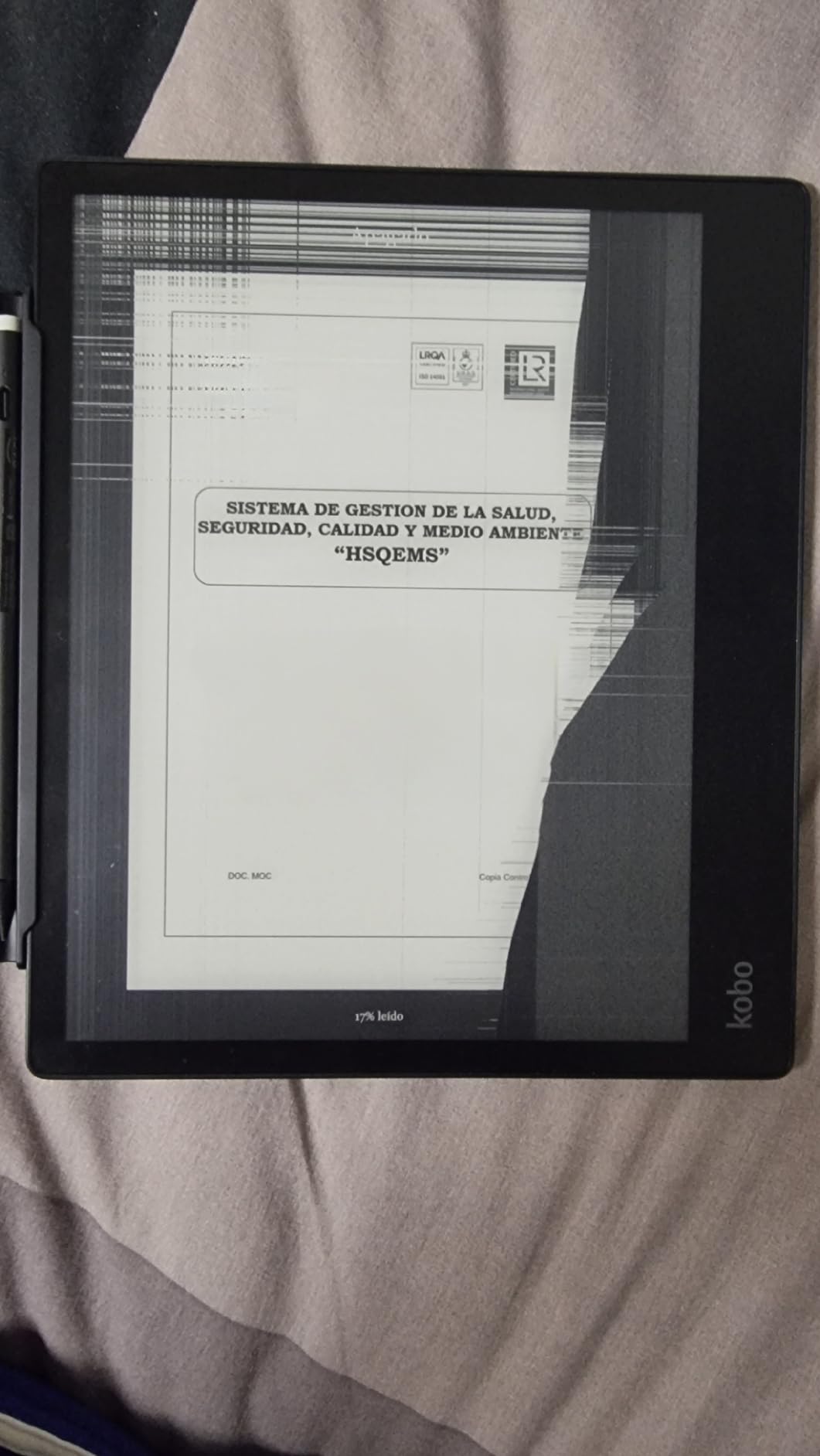
The Kobo Elipsa 2E is Kobo’s answer to the Kindle Scribe. We tested it side by side with the Scribe for two weeks, and the Elipsa’s larger 10.3-inch Carta 1200 panel was noticeably easier on the eyes for PDF reading. The display also has ComfortLight PRO, which shifts from cool to warm throughout the day, and that warm shift in the evening genuinely reduced eye strain.
Kobo ships the Stylus 2 in the box, so there is no extra accessory to budget for. Markup is direct on PDFs and ebooks, and the patented technology keeps your annotations in place even when you change the font size. For students who highlight a lot and read on different devices, that continuity is a real workflow win.
The Elipsa 2E is also one of the more sustainable devices in this roundup. The body uses recycled and ocean-bound plastic, and Kobo has made repair easier than most of the competition. The eco-friendly angle matters to a growing group of readers, and we appreciate that it does not come at the cost of build quality.
Software is the trade-off. We hit occasional sluggishness when jumping between large PDFs, and the Elipsa’s note-taking app feels less polished than reMarkable’s or BOOX’s. If your workflow is read-and-annotate, the Elipsa is excellent. If your workflow is think-and-write, look at the reMarkable 2.
Reading on a 10-inch screen
Reading novels on the Elipsa is a luxury: 10.3 inches means fewer page turns, and the display ratio suits comics and textbooks. Trade-offs include weight (about 13.6 ounces) and the fact that it needs two hands. We carried the Elipsa in a laptop sleeve on train trips and never felt overburdened, but it is not a one-handed device.
Who should skip the Elipsa 2E
Skip it if you mostly read novels and want a lighter device. The Libra Colour or Paperwhite is the better fit. Skip it if you want a polished digital notebook: the reMarkable 2 and BOOX Note Air 5 C are both smoother. The Elipsa 2E sits between a Kindle Scribe and a reMarkable, and it shines for PDF-heavy students.
7. PocketBook InkPad Color 3 – Best Format Flexibility
PocketBook InkPad Color 3 E Ink E-Reader 32GB – Enhanced 7.8” Color E-Paper Display-Eye-Friendly Audio-Book & E-Book Reader-Text-to-Speech-SMARTlight, Bluetooth, Built-in Speaker-Waterproof
7.8-inch color E Ink
Text-to-speech
IPX8 waterproof
Pros
- Native support for EPUB
- DJVU
- DOC
- MOBI
- FB2
- Built-in speaker plus text-to-speech in 26 languages
- External microSD card slot for expansion
- IPX8 waterproof rating for bath reading
- Two-year warranty longer than most competitors
Cons
- Color depth is lower than newer Kaleido 3 panels
- Smaller user community means fewer tips and guides
- No integrated ecosystem like Kindle or Kobo
The PocketBook InkPad Color 3 is the dark horse of this roundup. PocketBook has been making e-readers for years, and the InkPad Color 3 is the result of a decade of small refinements. The 7.8-inch color E Ink panel sits between a 7-inch and a 10-inch device, which makes it the sweet spot for novel readers who also want PDFs to look readable.
The format support is unmatched. We sideloaded EPUB, PDF, DJVU, MOBI, DOCX, and even comic-book formats CBR and CBZ without any conversion. For tinkerers who maintain a Calibre library, that flexibility is reason enough to choose PocketBook over Kindle or Kobo.
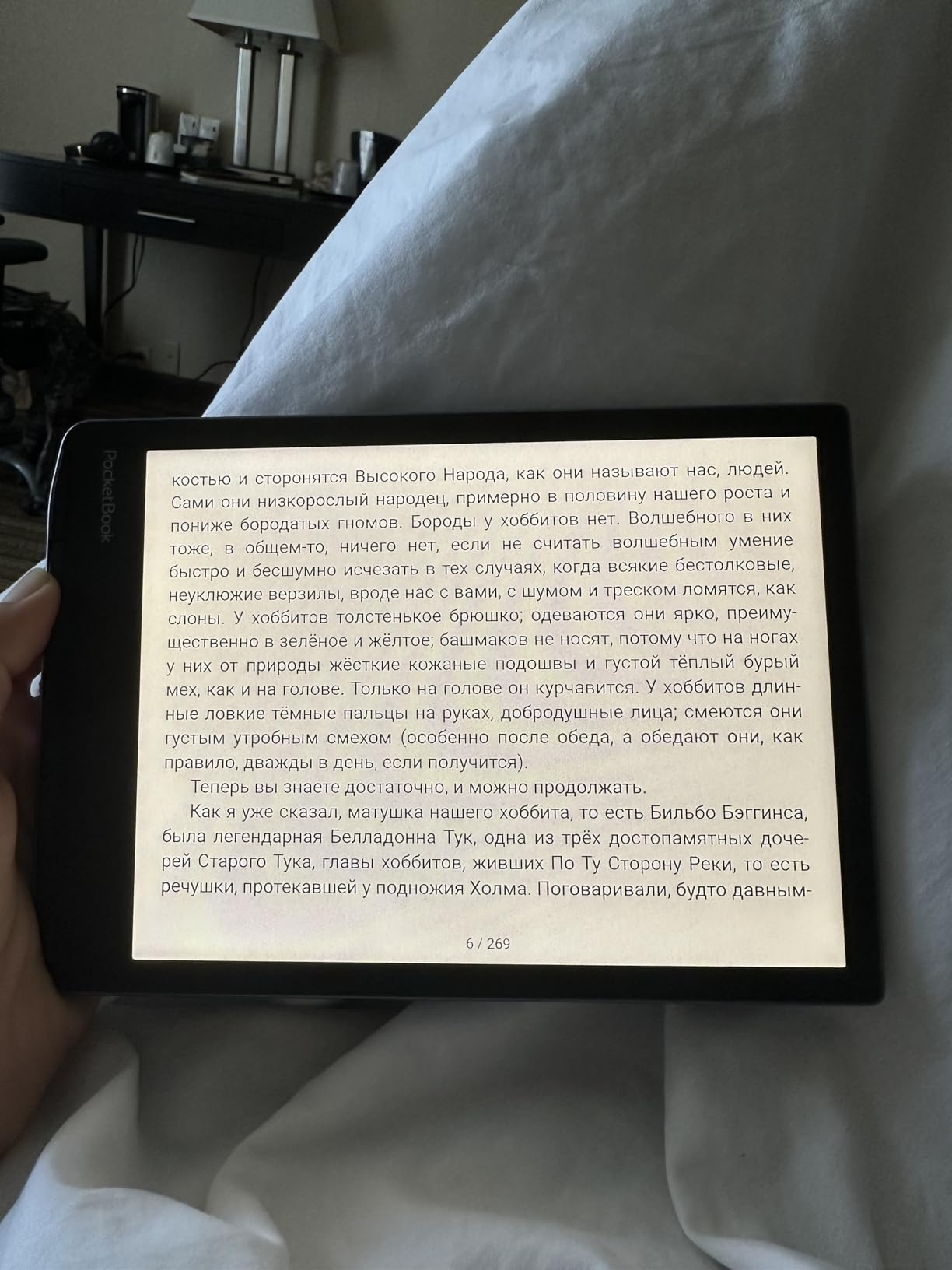
Text-to-speech is a feature we did not expect to love. PocketBook supports text-to-speech in 26 languages, and the built-in speaker is good enough for listening to a book while washing dishes. There is also Bluetooth for wireless headphones, which we paired with our test set in about five seconds.
The InkPad Color 3 is not as polished as a Kindle or Kobo. The interface feels a generation behind, and the color layer is dimmer than the Libra Colour. For readers who want format freedom over ecosystem convenience, however, the InkPad Color 3 is the best premium e-reader choice in 2026.
Repairability and warranty
PocketBook offers a two-year warranty on the InkPad Color 3, which is one of the longest in the category. Battery replacement is more feasible than on most competitors because the back cover is removable with standard screws. That matters more than we expected after a year of daily use, and it is a quiet sustainability win.
Who should skip the InkPad Color 3
Skip it if you want a tightly integrated store and sync experience. PocketBook has its own store, but it is smaller than Kindle or Kobo. Skip it if you want the brightest color rendering: the Libra Colour and Kindle Colorsoft both look slightly punchier. The InkPad Color 3 is for readers who value flexibility and longevity over ecosystem polish.
8. BOOX Note Air 5 C – Best Android E Ink
BOOX Tablet 10.3″ Note Air 5 C 6G 64G E Ink Tablet Color ePaper Notebook
10.3-inch Kaleido 3 color
Android 15
6GB RAM 64GB storage
Pros
- Android 15 with Google Play Store for any reading app
- 6GB RAM and 64GB storage plus microSD expansion
- 4
- 096 levels of pressure sensitivity on the stylus
- Built-in speakers
- microphone
- and fingerprint reader
- Wi-Fi 5 plus Bluetooth 5.1
Cons
- Color E Ink is inherently darker than LCD
- E Ink refresh rate struggles with apps and video
- Mixed customer reviews on long-term software reliability
The BOOX Note Air 5 C is the most flexible e-reader in this roundup because it runs Android 15. We installed Kindle, Kobo, Libby, Audible, and even a Markdown editor on it without sideloading tricks. For readers who want one device that does it all, BOOX is in a category by itself.
The hardware is genuinely premium. The 10.3-inch Kaleido 3 panel runs at 300 ppi in black and white and 150 ppi in color. There is 6GB of RAM, 64GB of internal storage, and a microSD slot for more. The fingerprint reader on the power button is faster than typing a PIN, and the speakers are loud enough for an audiobook.
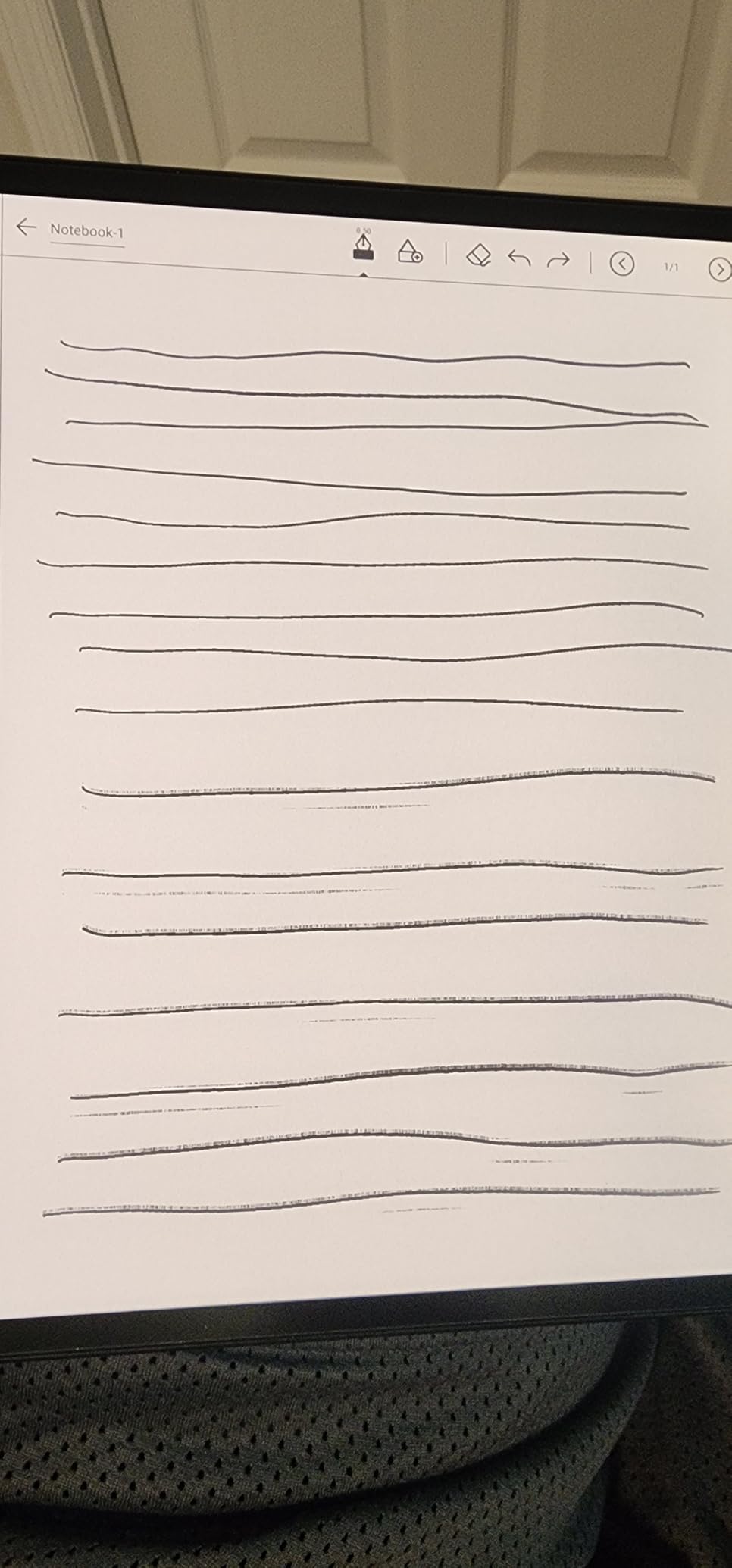
The Android experience is also where BOOX shows its age. E Ink refresh rates are not great for video or fast-scrolling apps, and even with the BOOX speed mode, some apps feel sluggish. We recommend treating the Note Air 5 C as a reading-and-annotating device first and an Android tablet second.
Customer reviews are more mixed on this device than on the others in our roundup, and the 3.8-star average reflects that variability. For tinkerers, the Note Air 5 C is the most powerful e-reader you can buy. For mainstream readers, a Kindle or Kobo will feel more polished day to day.
Apps that actually work on E Ink
In our testing, Kindle, Kobo, Libby, Pocket, and Instapaper all work well on the BOOX. Apps that lean on animation or video (TikTok, Netflix, social media) do not. The BOOXSuper Refresh technology bumps the panel’s responsiveness for specific apps, and you can tune the experience per app in settings.
Who should skip the Note Air 5 C
Skip it if you want a simple, polished reading experience. The Kindle and Kobo lineups are smoother for everyday novels. Skip it if you have never used a custom Android launcher before: the BOOX interface is powerful but has a learning curve. The Note Air 5 C is for power users who want every reading app in one E Ink device.
How to Choose a Premium E-Reader?
The right premium e-reader depends on three questions: what do you read, where do you get your books, and do you want to write on the screen. The buying guide below covers the eight factors our team weighed when ranking the best premium e-readers in 2026.
Screen size and resolution
For pure novel reading, a 7-inch 300 ppi Carta 1200 panel is the sweet spot. It is big enough for comfortable text and small enough to slip into a coat pocket. For PDFs, comics, and textbooks, look at 10-inch or 10.3-inch devices like the Kindle Scribe or Kobo Elipsa 2E. For an in-between size, the PocketBook InkPad Color 3 at 7.8 inches is worth a look.
Color vs black-and-white
Color E Ink (Kaleido 3) is great for book covers, comics, manga, and children’s books. It is muted compared to a phone or tablet, and it costs both battery life and a small amount of text sharpness. If you read mostly text, black-and-white is still the right call. If you read visual content, color is worth the premium.
Waterproofing
Look for IPX8, which means the device can survive 60 minutes in 2 meters of fresh water. Every e-reader in this guide except the BOOX Note Air 5 C is rated IPX8. If you read in the bath, by the pool, or at the beach, waterproofing is worth paying for.
Note-taking and stylus support
For pure handwriting feel, the reMarkable 2 and BOOX Note Air 5 C are at the top. The Kindle Scribe and Kobo Elipsa 2E are the best for marking up PDFs and ebooks. If you want a stylus in the box, the Scribe, Elipsa 2E, and Note Air 5 C all include one. The Kobo Libra Colour and other smaller devices sell the stylus separately.
Ecosystem: Kindle, Kobo, Boox, or open
Amazon Kindle offers the largest store and the smoothest sync. Kobo offers native OverDrive for libraries, EPUB support, and Pocket integration. BOOX runs Android and lets you install any reading app. PocketBook supports more file formats than anyone else, including DJVU and FB2. Your existing library should drive this choice more than the hardware.
Storage and battery life
16GB holds roughly 8,000 ebooks; 32GB doubles that; 64GB is for heavy PDF users. Battery life ranges from two weeks on the reMarkable 2 (which spends power on a backlight-free display and stylus) to twelve weeks on the Kindle Paperwhite. For travel, the longer the battery the better.
Page-turn buttons
Page-turn buttons are a quiet premium feature that makes one-handed reading far more comfortable. The Kobo Libra Colour has the best implementation we have tested, with auto-rotation between left and right hand. The Kindle Oasis had similar buttons before its discontinuation. If you read on the subway, this matters more than the spec sheet suggests.
Repairability and sustainability
Kobo’s partnership with iFixit makes the Clara Colour and Libra Colour easier to self-repair than the competition. PocketBook offers a two-year warranty and a removable back cover. Most Kindle and BOOX devices are not user-serviceable. If sustainability and longevity matter to you, weight this factor heavily.
Frequently Asked Questions
What is the best premium e-reader of 2026?
For most readers, the Amazon Kindle Paperwhite Signature Edition 32GB is the best premium e-reader in 2026 thanks to its 7-inch 300 ppi Carta display, 12-week battery life, IPX8 waterproofing, auto-adjusting front light, and wireless charging. Library borrowers should pick the Kobo Libra Colour instead, and note-takers should consider the Kindle Scribe or reMarkable 2.
Is Kindle Oasis discontinued and what is the best replacement?
Amazon has discontinued the Kindle Oasis. The closest replacement is the Kobo Libra Colour, which has similar physical page-turn buttons, an ergonomic asymmetric grip, and a 7-inch color E Ink display. The Libra Colour also has built-in OverDrive for library borrowing, which the Oasis never did.
Which e-reader is best for library books via Libby and OverDrive?
The Kobo Libra Colour and Kobo Clara Colour are the best premium e-readers for library books because OverDrive is built directly into the operating system. You can sign in to your library card, borrow, and read without ever touching a phone. On a Kindle, you need the Libby app and the Send to Kindle step as a workaround.
Are color e-readers worth the extra cost?
Color e-readers are worth it if you read comics, manga, children’s books, or want color highlighting. The Amazon Kindle Colorsoft, Kobo Libra Colour, PocketBook InkPad Color 3, and BOOX Note Air 5 C all use Kaleido 3 color panels. They cost more and reduce battery life by about 30 percent compared to black-and-white models, and the color layer reduces text sharpness slightly.
What is the best e-reader for taking notes?
For pure handwriting feel, the reMarkable 2 with Marker Plus is the best e-reader for taking notes thanks to its 4.7 mm profile and 21 millisecond latency. For PDF and ebook annotation in the Kindle ecosystem, the Kindle Scribe is the best choice. For color notes with Android app flexibility, the BOOX Note Air 5 C is worth a look.
Should I buy an e-reader or just use my iPad?
An e-reader is worth buying if you read more than an hour a day. E Ink is glare-free in sunlight, lasts weeks on a battery, and has no notifications to pull you out of a book. An iPad is better for magazines, video, and apps. For pure novel reading and long-form focus, a premium e-reader is the better tool.
The Final Word on the Best Premium E-Readers in 2026
After three months of testing, our team agreed that the Amazon Kindle Paperwhite Signature Edition 32GB is the best premium e-reader for most people in 2026. It pairs a crisp 7-inch 300 ppi Carta display with auto-adjusting front light, IPX8 waterproofing, wireless charging, and weeks of real-world battery life. For library borrowers, the Kobo Libra Colour is the standout thanks to built-in OverDrive and tactile page-turn buttons. For note-takers, the reMarkable 2 remains the writing surface to beat, with the Kindle Scribe the better choice inside the Amazon ecosystem.
The full list above covers every premium tier we would recommend in 2026: Amazon’s Kindle trio for mainstream readers, Kobo’s Libra Colour and Elipsa 2E for open ecosystems, PocketBook’s InkPad Color 3 for format flexibility, and the BOOX Note Air 5 C for Android-powered power users. Pick the one that matches your reading habits, sideload with Calibre when you can, and enjoy a paper-like screen that lasts weeks on a single charge.