

Wired headphones are having a quiet moment. After years of wireless convenience, anyone searching for the best wired headphones for audiophiles in 2026 is really making one statement: they would rather have signal integrity than a wireless codec. A cable removes compression, removes charging, removes pairing, and removes the tiny delay that creeps into Bluetooth. What is left is the part that actually matters, which is the driver, the tuning and the rest of the signal chain feeding it.
Our team spent six weeks with the ten models in this roundup, cycling between a desktop amplifier, a laptop and a phone dongle so we could hear where each headphone works and where it does not. We checked weight, clamp, pad material, impedance and sensitivity against what the manufacturers publish, and we read thousands of owner reviews to catch the failure points that spec sheets never mention. Every pick below earned its place on sound, build and value together, not on brand name.
Three things came up again and again. First, impedance matters more than price, because a 250-ohm headphone on an unpowered laptop is the single most common buyer regret in this category. Second, open-back designs sound wider and leak more, which rules them out for shared offices and travel. Third, the most satisfying upgrades in this hobby are often pad and cable changes rather than a new pair. We explain all three in the buying guide near the end.
The short version: if you want one pair that handles mixing, gaming and long critical listening sessions, the Audio-Technica ATH-M50x is the safe starting point. If you want the widest soundstage and the easiest entry into open-back hi-fi, the Sennheiser HD 599 does more with a modest source. If you want the lightest option that professionals have used for decades, the Sony MDR-7506 stays hard to beat.
Table of Contents
Top 3 Picks for the Best Wired Headphones for Audiophiles (October 2026)

Audio-Technica ATH-M50x
- 45mm large aperture drivers
- 38 ohm easy to drive
- 90 degree swiveling earcups
- Detachable cable


Quick Overview: Best Wired Headphones for Audiophiles in 2026
Every model below appears in the same order as the detailed reviews. The table is the fastest way to narrow your list before you read further.
| Product | Specs | Action |
|---|---|---|
| Audio-Technica ATH-M50x |
|
Check Latest Price |
| Sennheiser HD 599 |
|
Check Latest Price |
| Sony MDR-7506 |
|
Check Latest Price |
 beyerdynamic DT 990 Pro 250 Ohm beyerdynamic DT 990 Pro 250 Ohm |
|
Check Latest Price |
 beyerdynamic DT 770 Pro 80 Ohm beyerdynamic DT 770 Pro 80 Ohm |
|
Check Latest Price |
 Sennheiser HD 650 Sennheiser HD 650 |
|
Check Latest Price |
 Philips SHP9500 Philips SHP9500 |
|
Check Latest Price |
 Audio-Technica ATH-M20x Audio-Technica ATH-M20x |
|
Check Latest Price |
 Audio-Technica ATH-M30x Audio-Technica ATH-M30x |
|
Check Latest Price |
 Philips Fidelio X3 Philips Fidelio X3 |
|
Check Latest Price |
1. Audio-Technica ATH-M50x Review: The Editor’s Choice Closed-Back Monitor
Audio-Technica ATH-M50X Professional Studio Monitor Headphones, Black, Professional Grade, Critically Acclaimed, with Detachable Cable
45mm large aperture drivers
38 ohm impedance
99 dB sensitivity
20 Hz - 28,000 Hz
0.29 kg
Detachable cable
Pros
- Deep accurate bass with extended 20 Hz to 28 kHz response
- 90 degree swiveling earcups allow single-ear cueing
- Detachable single-entry cable makes replacement easy
- Circumaural fit isolates well in loud rooms
- Easy to drive at 38 ohm from a laptop or interface
Cons
- Shallow earcups can feel cramped for large ears
- Less open-sounding than high-end open-backs
- No microphone for calls
The ATH-M50x is the pair we kept reaching for during testing, and it is the easiest recommendation in this roundup. Audio-Technica builds it around proprietary 45 millimeter large aperture drivers with rare earth magnets and copper clad aluminum wire voice coils, and the result is a wide frequency range from 20 Hz to 28,000 Hz with deep, accurate bass. Nothing is boosted for impression. The frequency response reported by owners reads as flat and honest, which is exactly what you want from a monitor.
At 38 ohm and 99 dB sensitivity, it is one of the friendliest headphones here to drive. We ran it from a phone dongle, a laptop and a desktop amplifier, and the difference between sources was small. That matters more than any spec on the sheet, because it means the M50x is not a purchase that depends on another purchase.
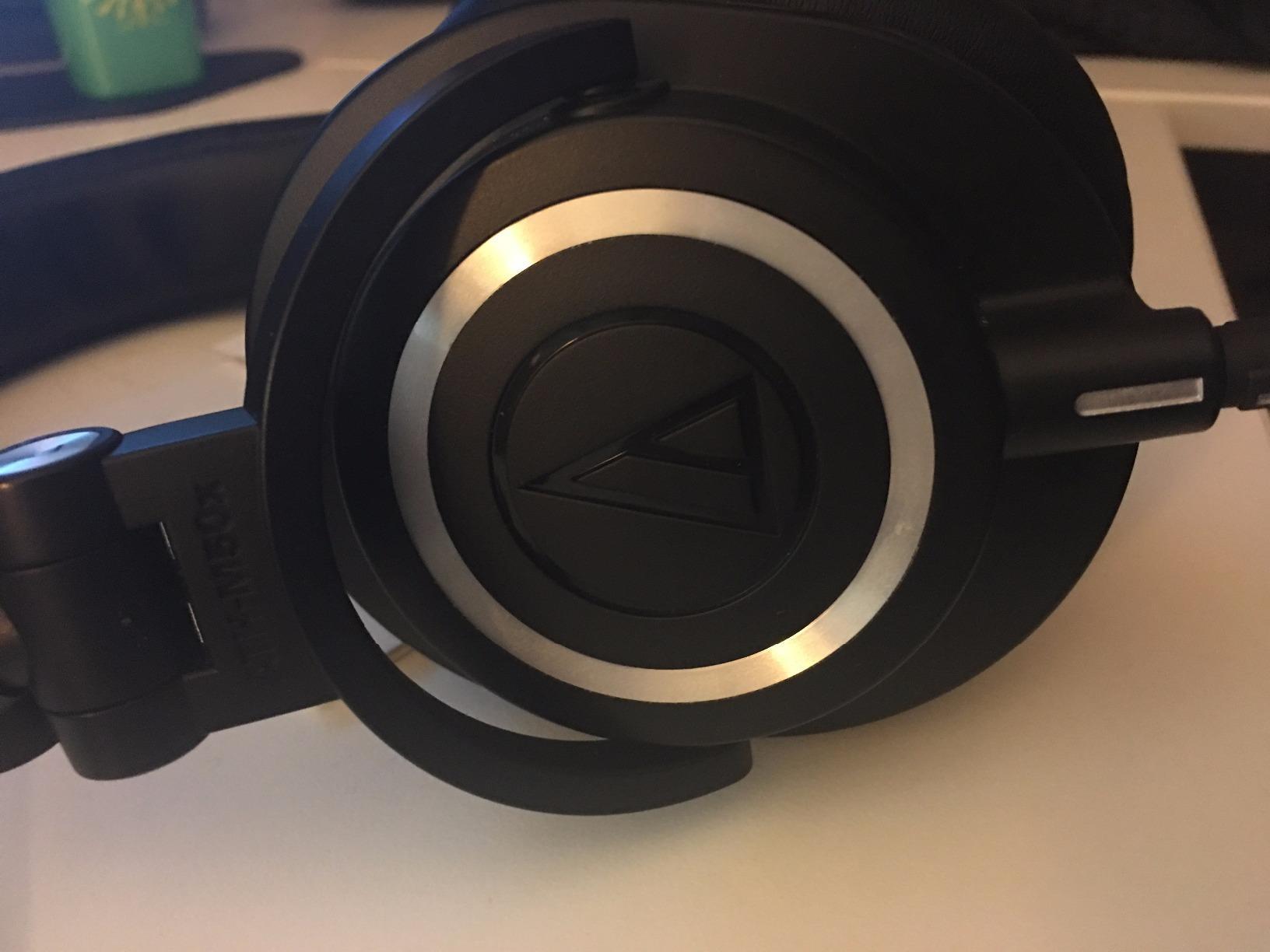
Physically it is a workhorse. The circumaural design contours around the ears for isolation in loud tracking rooms, and the 90 degree swiveling earcups let you fold one cup back for single-ear cueing while tracking. The cable is detachable with a single-entry connector, so a damaged cable costs a cable rather than a headphone. A two year warranty on parts and labour backs it up.
At 0.29 kg it disappears on your head, which is one reason the M50x has become a default in recording and podcasting rooms for two decades. The earpads and headband are the parts that wear first, and both are replaceable, so the pair ages well.
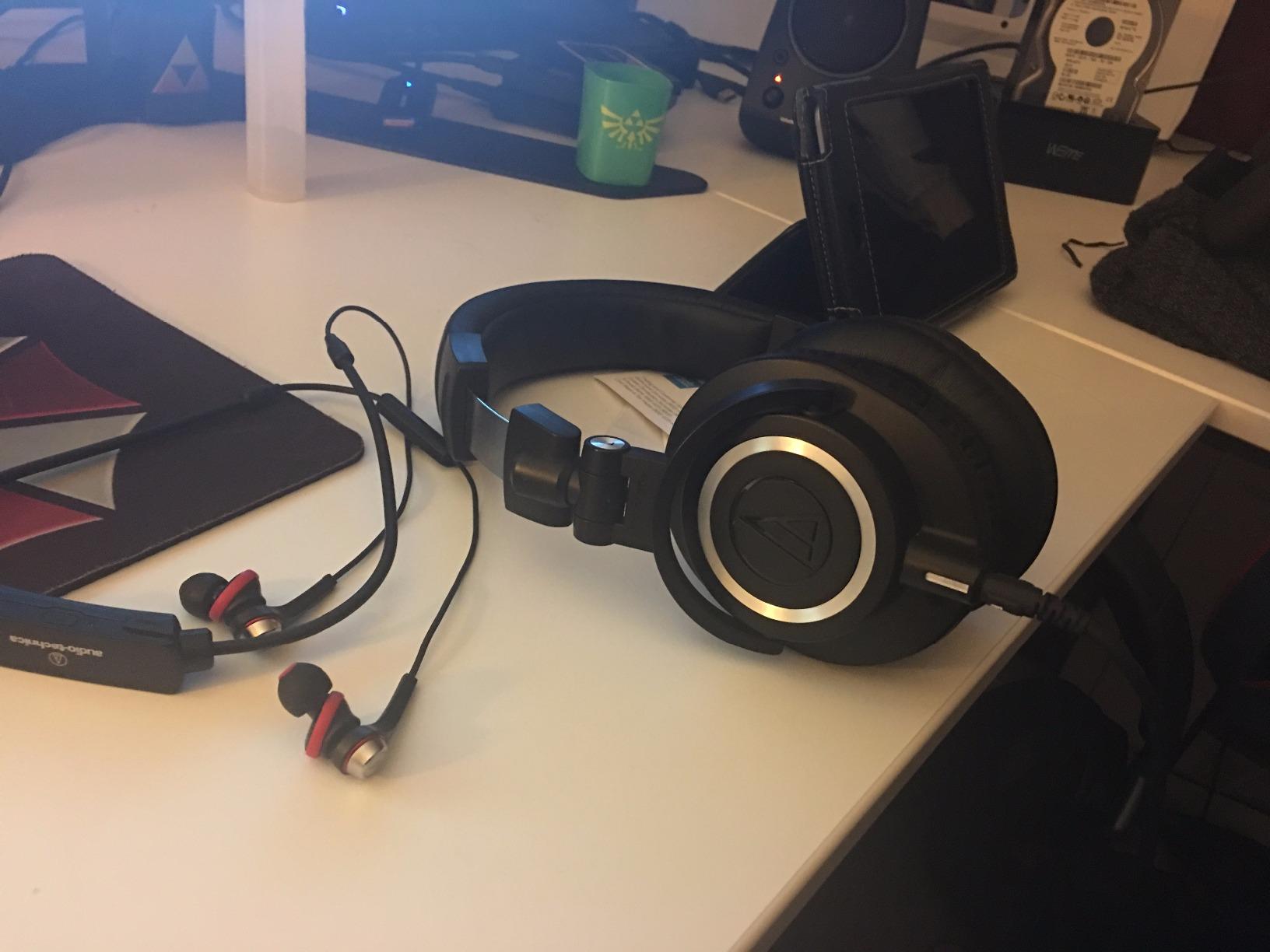
Who the ATH-M50x suits best
It suits anyone who needs one pair to do everything: mixing, mastering, gaming, watching films and long evening listening. The isolation means it works in a shared room where the open-back options in this list would be unusable.
For musicians, the swiveling cups and detachable cable are practical wins that cost nothing. For gamers and streamers, the closed-back seal keeps your voice out of your microphone and other people out of your ears.
Where the ATH-M50x falls short
The cups are shallow compared with the larger over-ear designs here, and owners with larger ears sometimes report pressure over multi-hour sessions. The soundstage is also more intimate than an open-back, which is a fair trade for isolation but a compromise for spatial imaging.
There is no microphone. If you take calls regularly you will want an inline adapter or a separate mic, and the detachable cable makes that easy enough.
2. Sennheiser HD 599 Review: The Best Value Open-Back
Sennheiser HD 599 Open-Back Wired Audiophile Headphones, Ivory
50 ohm impedance
12-38,500 Hz
0.71 kg
Two detachable cables
Velour pads
Aluminum voice coils
Pros
- Audiophile open-back tuning well below flagship cost
- Two detachable cables with 3.5mm and 6.3mm plugs
- Plush velour pads and padded headband
- Low 50 ohm impedance is easy to drive
Cons
- Open-back design leaks sound with no isolation
- Heavier than most entry-level open-backs
- Less resolving than flagship Sennheiser references
The HD 599 is the gentlest way into open-back hi-fi. Sennheiser pairs premium around-ear design with engineered transducers that use aluminum voice coils for high efficiency, excellent dynamics and very low distortion. The measured result across 12 to 38,500 Hz is a smooth, unfussy presentation that flatters most music without asking you to adjust anything.
What stands out in daily use is the 50 ohm impedance. That number means the HD 599 behaves like a normal dynamic headphone rather than a demanding studio model, and it produced usable volume from every source we tried. The HD 650 further down this list wants an amplifier. The 599 does not insist on one.
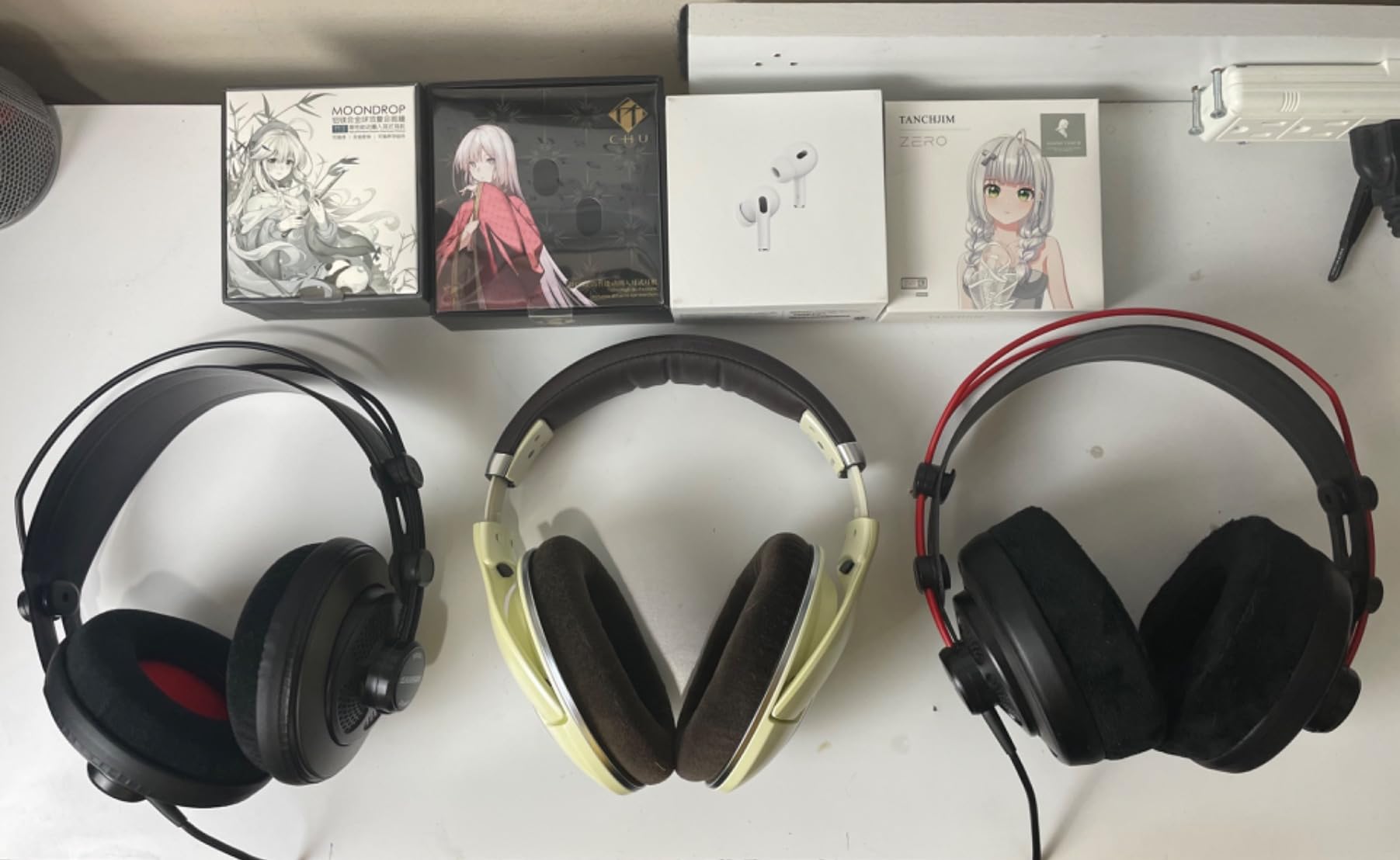
Cable handling is unusually generous for this class. You get a robust 3 meter detachable cable with a 6.3 mm plug and a second 1.2 meter detachable cable with a 3.5 mm plug, so a laptop and an amplifier are both covered out of the box. The connectors are standard, which means aftermarket cables are easy to source.
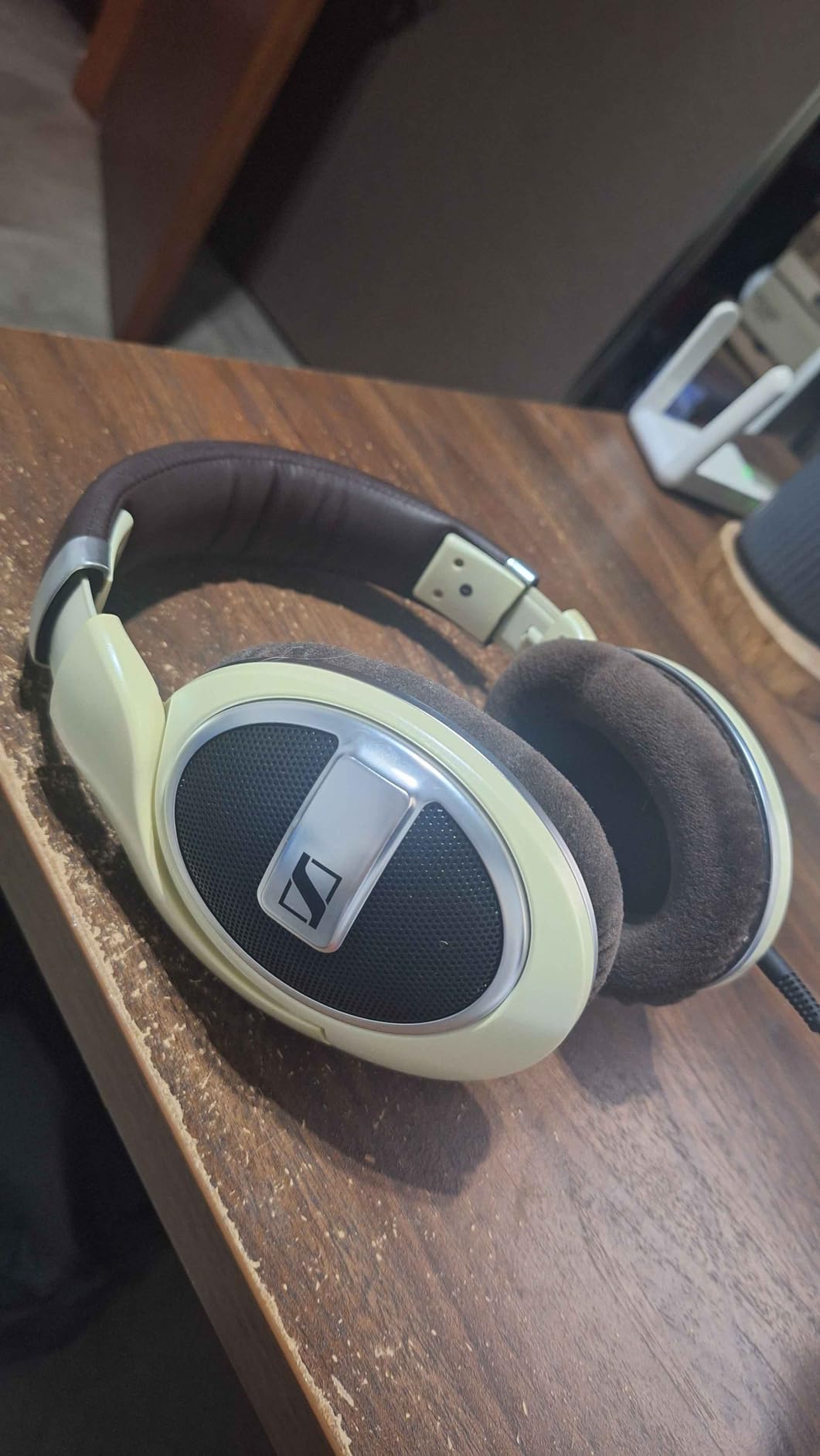
Comfort is the other headline. Padded headband and velour covered ear pads spread pressure well, and the ivory finish with brown headband stitching looks closer to a lounge chair than a studio tool. It is designed for long sessions, and it delivers on that.
Who the HD 599 suits best
It suits first-time audiophile buyers who want the open-back presentation without immediately buying a desktop amplifier. If your listening happens at a desk with a laptop or a modest DAC, the 50 ohm load will not disappoint you.
It also suits anyone who wants more space around the music than a closed-back can offer. Instrument placement and depth are the reasons to move to an open design, and the HD 599 shows them clearly.
Where the HD 599 falls short
At 0.71 kg it is the second heaviest headphone in this roundup, and the open-back cups get warm in a hot room. There is no isolation, so it is a bad choice for an open-plan office, a shared flat or a plane.
It also stops short of flagship resolution. If you later move to a harder-to-drive reference model, you will hear more detail than the 599 shows you today.
3. Sony MDR-7506 Review: The Lightweight Studio Standard
Sony MDR7506 Professional Large Diaphragm Headphone
40mm neodymium drivers
63 ohm impedance
10 Hz to 20,000 Hz
8 oz weight
Fixed coiled cable
Pros
- Neutral revealing sound that exposes mix detail
- Extremely light at 8 ounces
- Thick coiled cord resists tangling
- Folds flat into the included soft case
- Solid screw-on quarter inch adapter
Cons
- Fixed non-detachable cable cannot be replaced
- Bass is present but not boosted
- Can feel bright for treble-sensitive listeners
- Ear pads wear out over the years
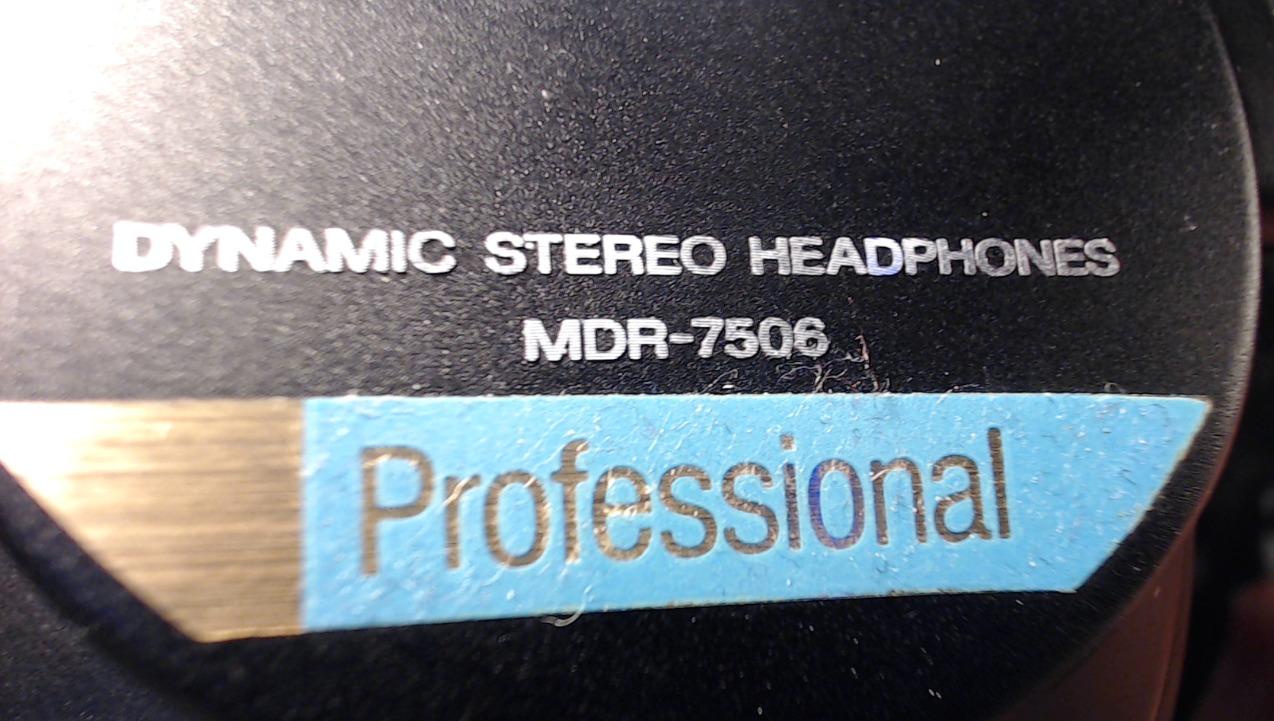
The MDR-7506 has been the broadcast and location recording standard for a very long time, and the reason is simple: it is light, it is honest and it does not fall apart. Neodymium magnets driving 40 millimeter drivers cover 10 Hz to 20,000 Hz with a neutral, revealing character that lets you hear problems in a mix rather than flattering them.
Weight is the standout number here. At 8 ounces it is the lightest headphone in this roundup, and the difference is obvious within minutes. The clamp is gentle enough for long sessions, and the soft pads do not heat up the way sealed memory foam can.
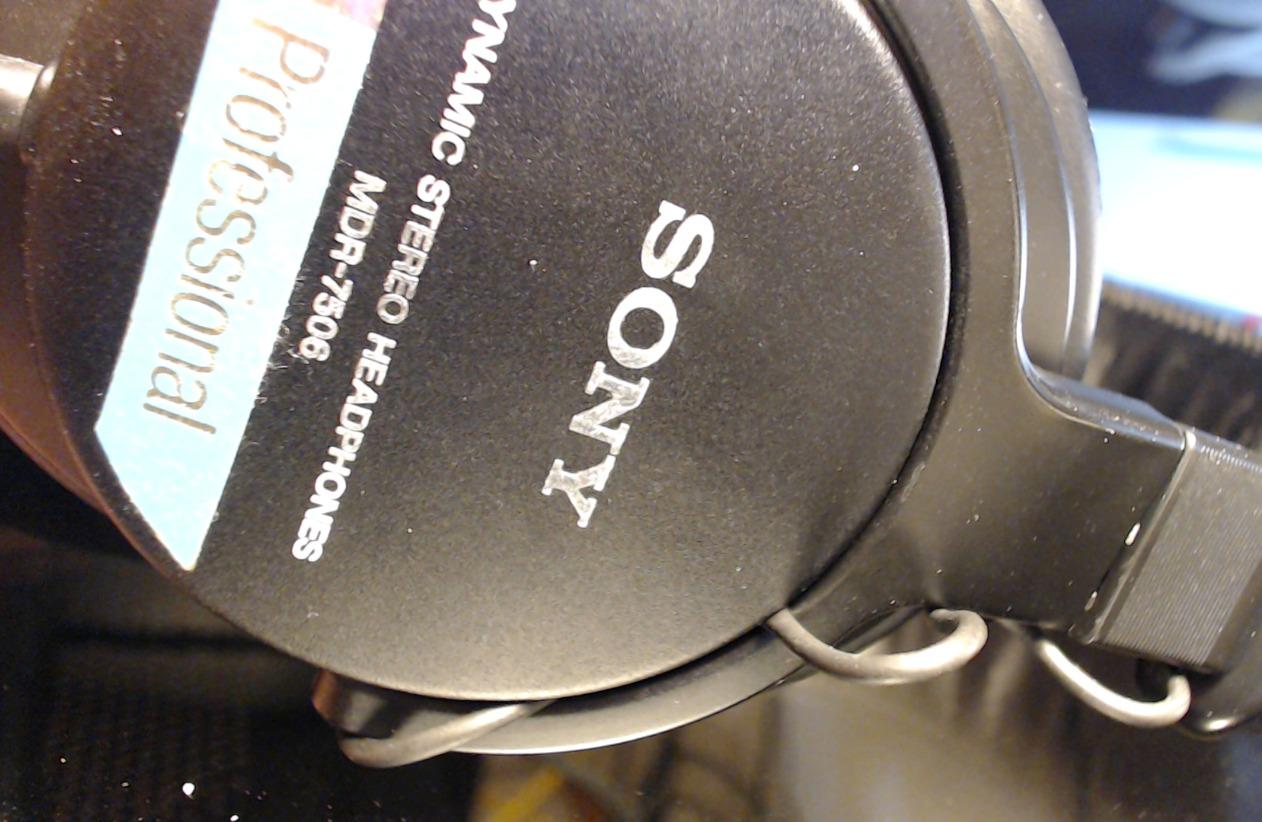
The 9.8 foot coiled cord is thick, durable and resists tangling, which matters more than it sounds when you are working. It terminates in a gold plated plug and is not detachable. A screw-on quarter inch adapter is included and stays firmly connected, so the cable design is one of the few things here with no upgrade path.
For storage, the cups fold flat into the supplied soft case, which keeps it practical for mobile rigs. At 63 ohm it drives easily from a mixer or a laptop.
Who the MDR-7506 suits best
It suits anyone who works long hours and notices weight more than tuning preferences. Broadcasters, voiceover artists, students and anyone tracking instruments for hours will find the 8 ounce design noticeably easier than a 0.3 kg over-ear pair.
It also suits listeners who like a straight, uncoloured presentation and do not want to EQ anything. Owners consistently describe the sound as revealing rather than exciting, which is the point in a monitoring context.
Where the MDR-7506 falls short
The fixed cable is the real drawback. If the connector fails at the earcup, the headphone is finished, and there is no replacement cable at any price. The same applies to the earpads, which wear out over the years and need to be replaced to restore seal and bass.
The top end carries a slight brightness that some listeners find tiring on poorly recorded material, and the bass is accurate rather than boosted. If you like weight in the low end, look elsewhere.
4. beyerdynamic DT 990 Pro Review: The Wide Open-Back Stage
beyerdynamic DT 990 Pro (250 Ohm), Open-Back Studio Headphones, Black
250 ohm impedance
96 dB sensitivity
5 Hz to 35,000 Hz
8.8 oz
Velour pads
Spring steel headband
Pros
- Exceptionally wide soundstage with excellent imaging
- Deep fast bass that keeps each note distinct
- Velour pads and light weight for long sessions
- All pads and headband parts are replaceable
- Made in Germany with a spring-steel build
Cons
- 250 ohm impedance needs a real headphone amp
- Treble can be sharp on bright material
- Open-back leaks sound in and out
- Fixed coiled cable cannot be detached
The DT 990 Pro is the widest sounding headphone in this list, and that is not a marketing line. The open-back design gives a natural stereo image where you can hear placement and depth between instruments, which is why it has been the mixing reference in studios for decades. Frequency response runs from 5 Hz to 35,000 Hz.
The bass is deep, fast and tight rather than soft, and each note stays distinct instead of blurring into a single rumble. Imaging is precise enough to locate a microphone position in a stereo field. If you listen to large ensembles, jazz or film scores, that scale is the whole point.
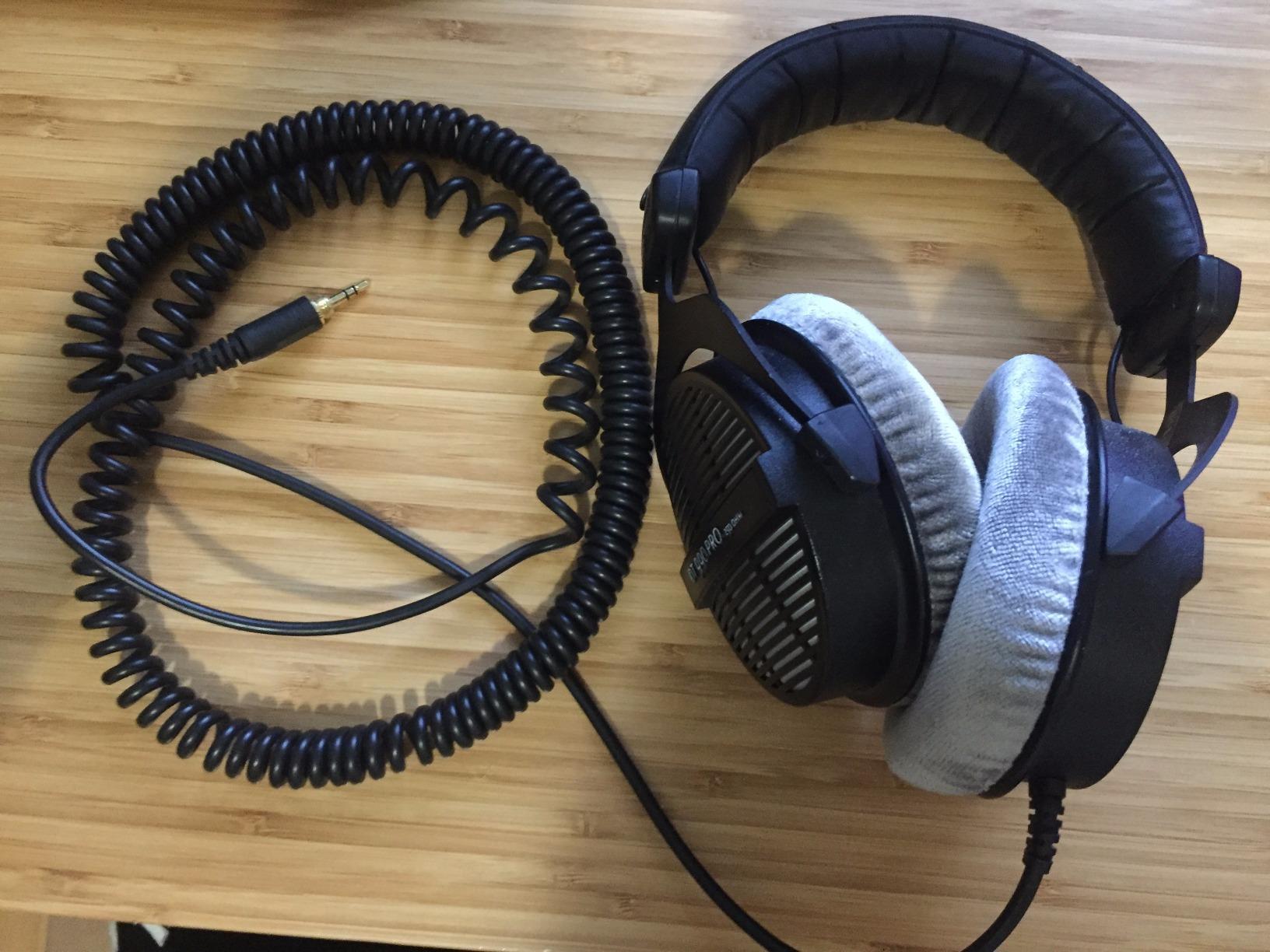
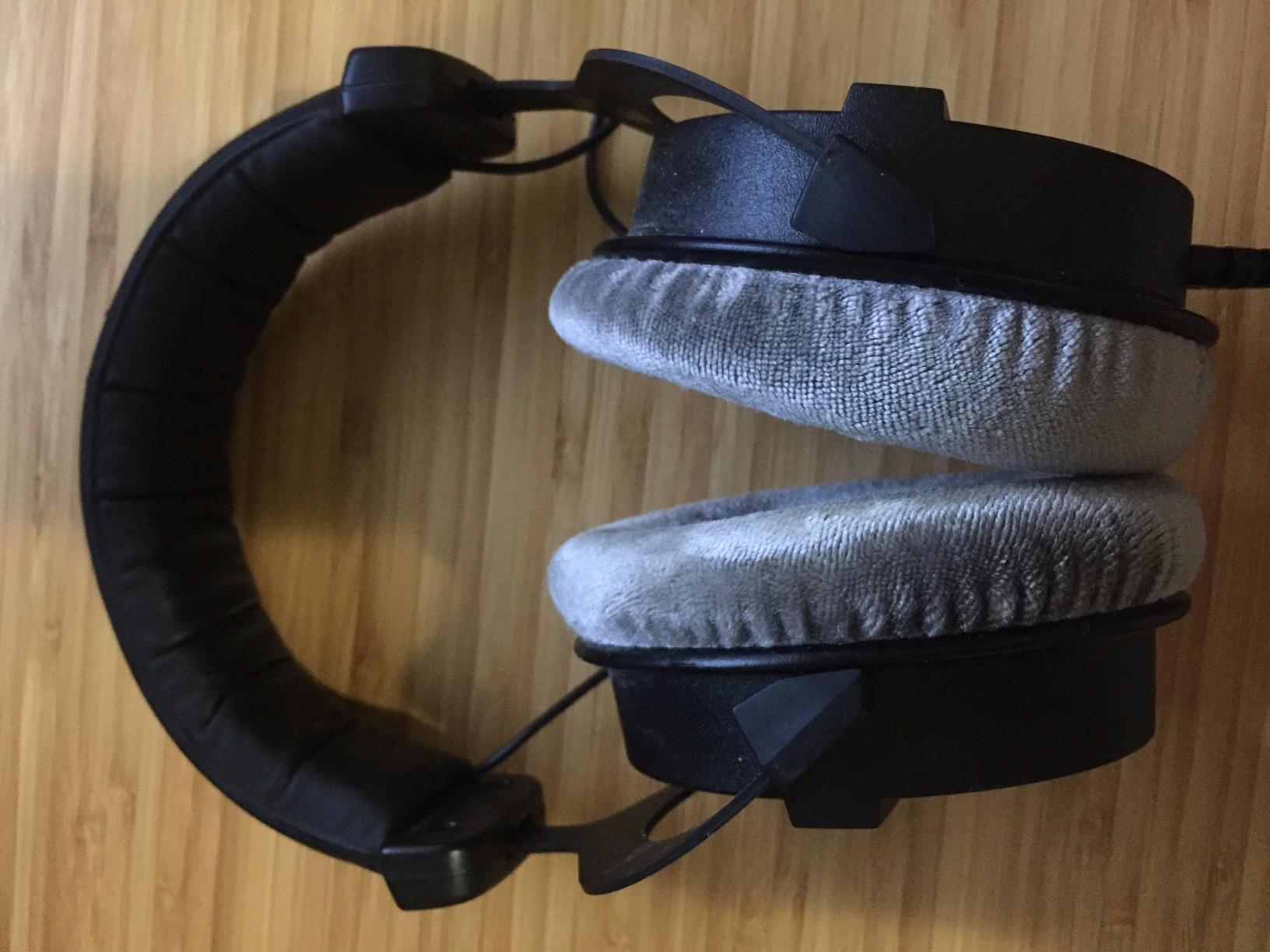
Build quality is excellent. The housing combines plastic and spring steel with a velour finish, made in Germany, and the spring-steel headband is the standard that separates a repairable headphone from a disposable one. Every pad and headband part is replaceable, which extends service life considerably.
At 8.8 ounces with velour ear pads, it stays comfortable through hours of work. Velour also breathes better than pleather, which matters in a warm room.
Who the DT 990 Pro suits best
It suits mixers, mastering engineers and serious listeners who want to judge a record the way it was made. The width also makes it excellent for acoustic, orchestral and ambient material where the sense of room is the point.
It also suits anyone planning to buy a desktop amplifier. At 250 ohm and 96 dB sensitivity, this is the headphone that makes a good amp worthwhile rather than optional.
Where the DT 990 Pro falls short
Do not buy it and plug it into a phone. The manufacturer is direct about it: 250 ohm is designed for audio interfaces and headphone amplifiers, and it needs one for full volume. Driven from a small source it will sound thin and quiet, which is the classic first-audiophile-purchase mistake.
The treble is also pointed on bright material, and it can be fatiguing before the headphone has burned in. The fixed 3 meter coiled cable cannot be detached or swapped, and the open design makes it unusable in a shared space.
5. beyerdynamic DT 770 Pro Review: The Best Headphone for Tracking
beyerdynamic DT 770 Pro (80 Ohm), Closed-Back Studio Headphones, Black
80 ohm impedance
96 dB sensitivity
5 Hz - 35,000 Hz
9.5 oz
Closed-back isolation
Velour pads
Pros
- Deep controlled bass with clean frequency separation
- Closed-back isolation stops monitor bleed
- Velour pads stay comfortable over multi-hour sessions
- All parts replaceable and easy to drive
- Balanced uncoloured presentation that translates
Cons
- Very high frequencies lack sparkle
- Non-rotating cups are bulky and awkward to wear around the neck
- 3 m fixed straight cable is long
- Can feel warm inside the cups in long sessions
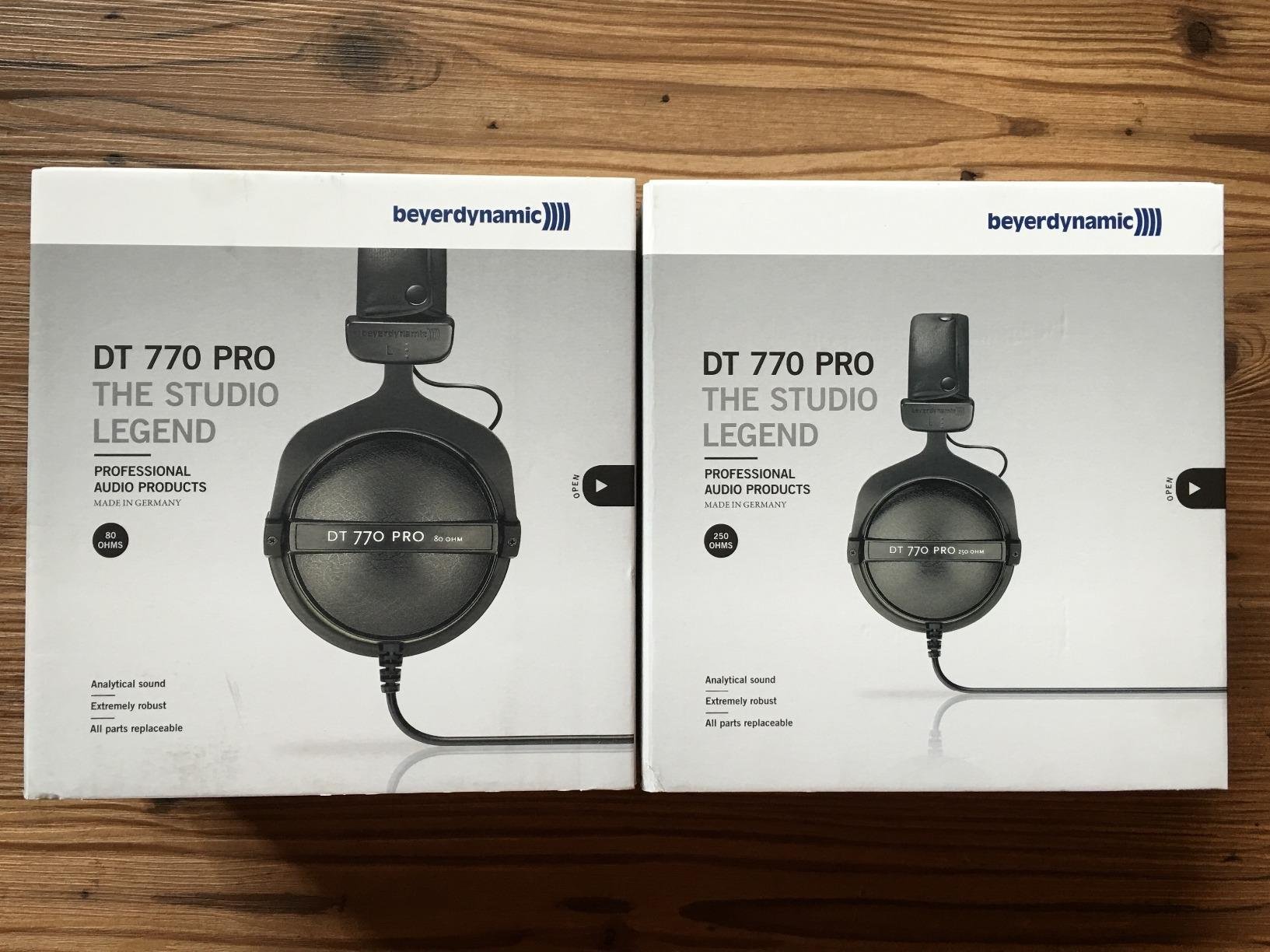
The DT 770 Pro is the closed-back sibling of the 990, and it trades soundstage for isolation. The passive shielding is the point: in a vocal booth, a podcast desk or a loud room, it keeps the click and the mix out of your microphone in a way no open-back can. Frequency response is the same broad 5 Hz to 35,000 Hz range.
At 80 ohm and 96 dB, it is the practical middle ground. It sounds best from an audio interface or headphone amplifier, and it is still loud enough from most laptops. Compared with the 250 ohm 990, the 770 forgives a weaker source, which makes it the better first amplifier-less buy in this brand’s line.
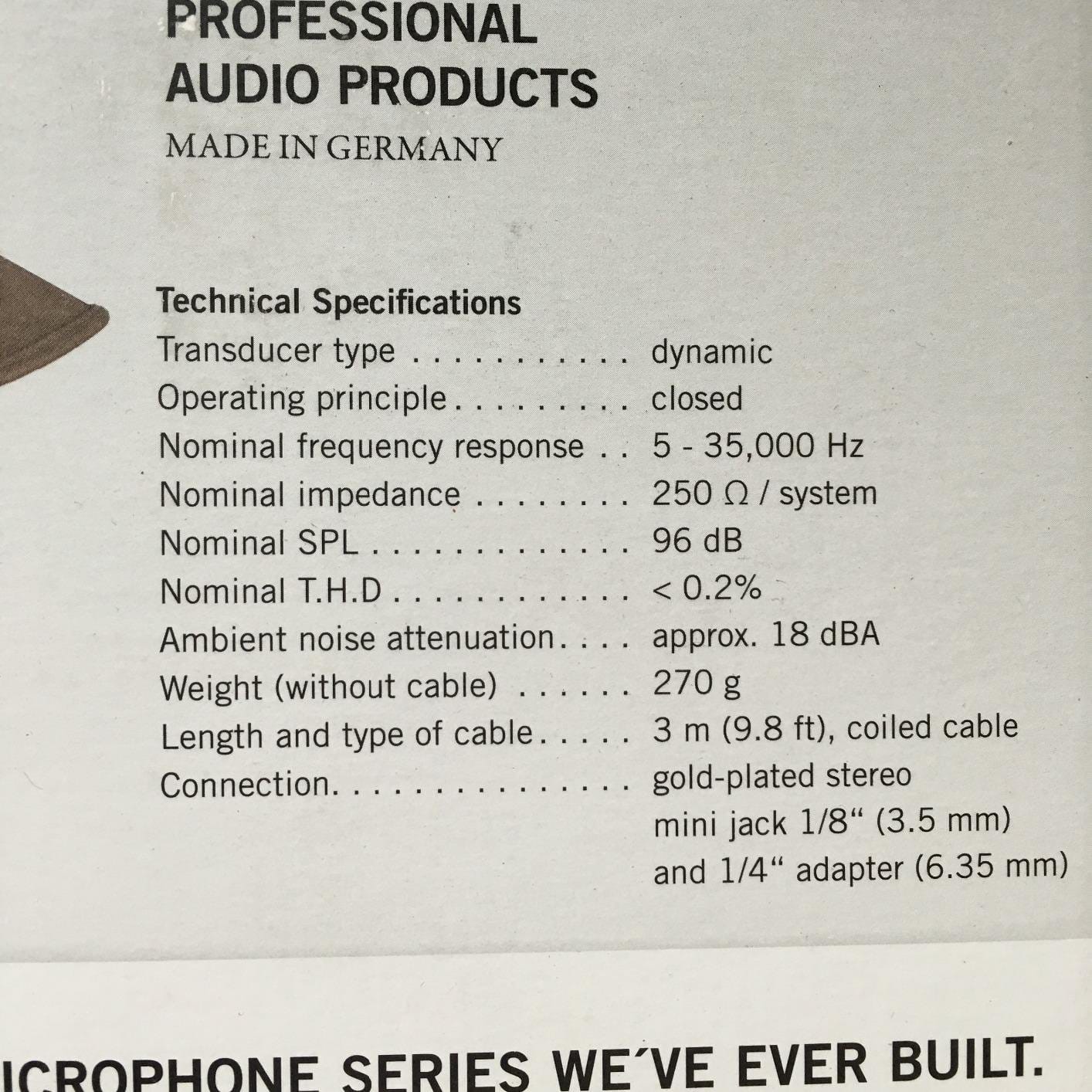
The bass is deep, tight and controlled, with clean separation between frequency ranges rather than a lifted low end. The overall presentation is balanced and uncoloured, so a mix made on the 770 translates reasonably to other systems. Velour ear pads and a spring-steel headband handle long sessions, and every part is replaceable.
The soft PVC housing is the durable part. These headphones are built for daily studio work and they look it.
Who the DT 770 Pro suits best
It suits recording, tracking, podcasting and any desk in a noisy room. The isolation is genuinely useful rather than a nice-to-have, and it is the reason this model has outlasted several trendier rivals.
It also suits listeners who want the DT sound without buying an amplifier. Eighty ohm is driveable from almost anything, so your existing source will not hold the headphone back.
Where the DT 770 Pro falls short
The very high frequencies lack the sparkle that some competitors deliver, so treble-focused material can sound slightly rounded. Owners compare it directly to the Audio-Technica models in this list and find the top end less airy.
Physical design is the other limitation. The cups do not rotate, which makes the headphones awkward to wear around the neck and hard to pack, and the fixed 3 meter straight cable is long for portable use. The cups can also feel warm in very long sessions.
6. Sennheiser HD 650 Review: The Reference Open-Back
Sennheiser HD 650 – Audiophile Hi-Res Open Back Dynamic Headphone
42mm dynamic drivers
10 Hz to 41,000 Hz
103 dB sensitivity
9.12 oz
THD reduced to 0.05 percent
Pros
- Wide frequency response with acoustically damped silk
- Hand matched drivers with neodymium magnets
- Very low total harmonic distortion
- Large comfortable over-ear fit
- Two year warranty
Cons
- Open-back with no isolation and leaks sound
- Fixed non-detachable cable
- High impedance needs a capable amplifier
- Heavier than modern alternatives at 9.12 oz
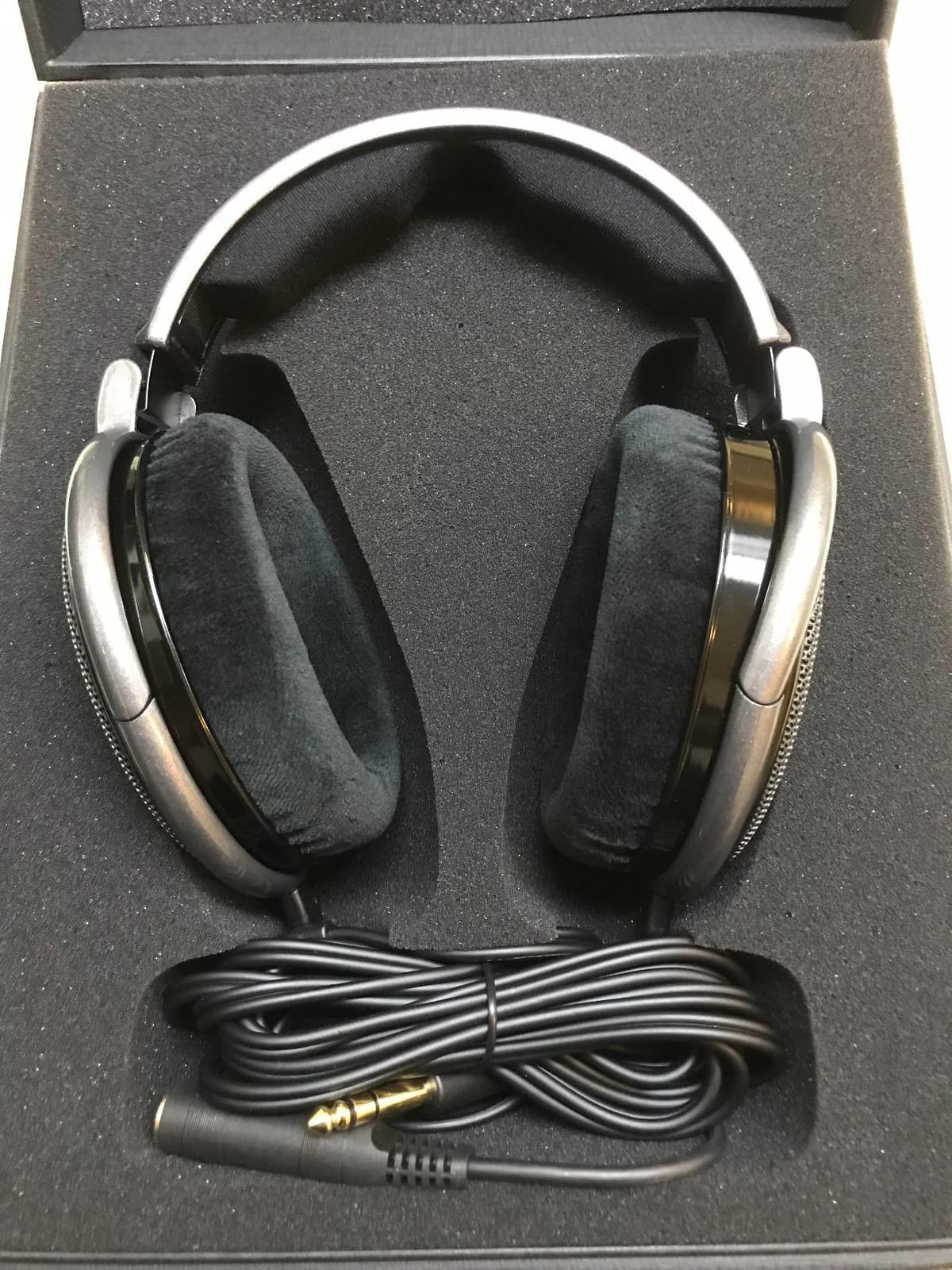
The HD 650 is the model that shows up most often when people ask which wired headphones to buy first, and the reason is consistency rather than excitement. Specially designed acoustic silk damps the drivers across the frequency range and helps hold total harmonic distortion to 0.05 percent, so the signal stays clean as volume rises.
Frequency response runs from 10 Hz to 41,000 Hz, and the hand-selected matched driver elements with highly optimized magnet systems are built for minimum harmonic and intermodulation distortion. The result is a midrange-centred, detailed presentation with a wide open stage. Owners rate it at 4.6 out of 5 with roughly 80 percent five-star scores across more than 3,000 reviews, and the language they use is consistent: neutral, detailed, long-running.

At 9.12 ounces with aluminum and plastic construction, the HD 650 is a substantial over-ear fit rather than a light on-ear one. The clamping force is firmer than newer designs, which some listeners appreciate for stability and others find tiring after several hours. The two year warranty is straightforward.
One thing to plan for: the cable is fixed, so a damaged lead ends the headphone. That is the main reason people buy a newer sibling instead of this one.
Who the HD 650 suits best
It suits listeners who want a reference-style open-back with minimal tonal colouring and low distortion. Classical, acoustic and well-mastered vocal material is where its evenness pays off most.
It also suits anyone who already owns a headphone amplifier. Driving a 300-ohm open-back properly is what separates this headphone from a cheap one; from a phone it will simply not sing.
Where the HD 650 falls short
The impedance is the headline caveat. This is a demanding load, and pairing it with a laptop or a dongle is the most common source of disappointment in the entire category. Budget for a real amplifier or a capable desktop DAC.
It also offers no isolation whatsoever. In a shared room you will hear the headphone, and you will hear the room.
7. Philips SHP9500 Review: The Budget Open-Back Entry Point
Philips Audio SHP9500 HiFi Precision Stereo Over-Ear Headphones (Black)
50mm neodymium drivers
32 ohm impedance
101 dB sensitivity
12 - 35,000 Hz
0.3 kg
Detachable cable
Pros
- Soundstage and separation well above the class
- 32 ohm drives easily from phones and laptops
- Detachable standard cable allows upgrades
- Light and breathable for long sessions
- Warm bass-forward signature with clear mids
Cons
- Leaks a lot of sound
- Low clamp force can slip on smaller heads
- Mids and treble can sound grainy before burn-in
- Ear pads are not user-replaceable
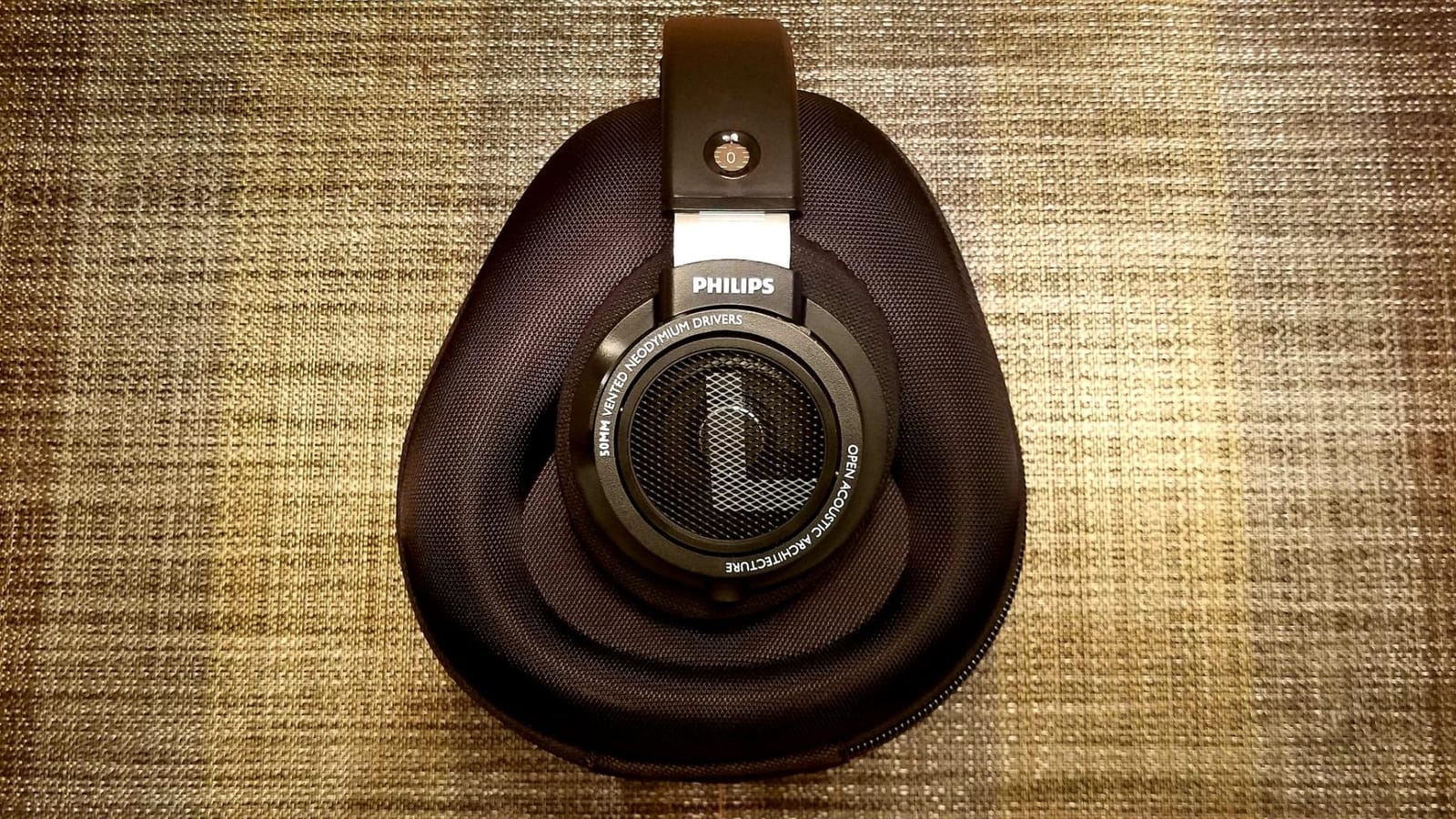
The SHP9500 is the cheapest way to hear what an open-back headphone actually does. Fifty millimeter neodymium drivers deliver a full spectrum of sound across 12 to 35,000 Hz, and the acoustic system is open with gold-plated connector finishing. What you get for that money is a soundstage and a level of instrument separation that closed-back models twice as heavy cannot match.
The 32 ohm impedance and 101 dB sensitivity make it the easiest open-back in this roundup to drive. A phone, a laptop or a small dongle is enough. That combination is why it works as a first audiophile purchase: no amplifier, no extra box, no learning curve.
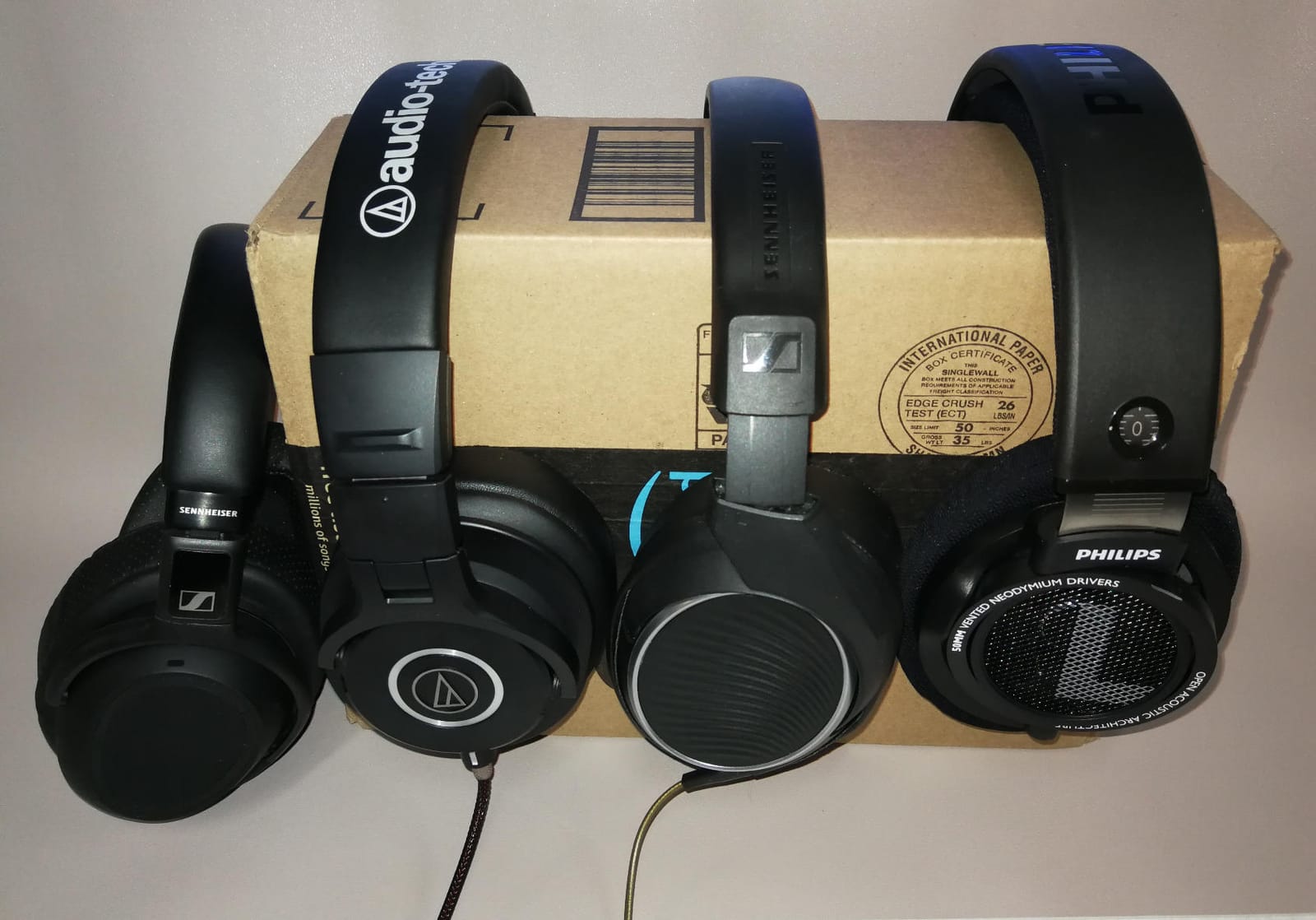
The signature is warm and bass-forward with clear mids, which flatters most genres and forgives less well-recorded material. The 1.5 meter detachable cable gives you freedom of movement indoors and uses a standard connector, so replacing it or adding an inline microphone module is straightforward.
Comfort comes from a double-layered headband cushion and a breathable ear cushion. At 0.3 kg it is lighter than most open-backs here, and the airflow reduces ear fatigue compared with sealed designs. The steel headband frame adds durability.
Who the SHP9500 suits best
It suits a beginner who wants to hear the difference an open-back makes before spending more. It also suits anyone on a shared laptop or a phone who cannot justify a desktop amplifier yet.
For listeners who prefer warmth over clinical neutrality, the bass-forward tuning is a genuine advantage rather than a compromise.
Where the SHP9500 falls short
The clamp force is low, so on smaller heads the fit can slip during long sessions. The upper mids and treble can sound grainy and slightly bright, which typically smooths as the headphone burns in.
Two practical limits: the open design leaks a great deal of sound, so it is out for offices and travel, and the ear pads are not user-replaceable, which matters over years of daily use.
8. Audio-Technica ATH-M20x Review: The Honest Budget Monitor
Audio-Technica ATH-M20x Professional Studio Monitor Headphones, Black
40mm rare earth drivers
47 ohm impedance
96 dB sensitivity
15 - 20,000 Hz
210 g
Closed-back isolation
Pros
- Flat honest tuning for mixing decisions at an entry price
- Metal adjusters and a thick tangle-free cable
- Comfortable for eight to nine hour sessions with soft faux-leather pads
- Good isolation for a closed-back
- Works for tracking
- editing
- gaming and casual listening
Cons
- Cord is not detachable
- Bass is light compared with consumer alternatives
- Clamp can bother glasses wearers over long sessions
- Build feels lighter than the sturdier M50x
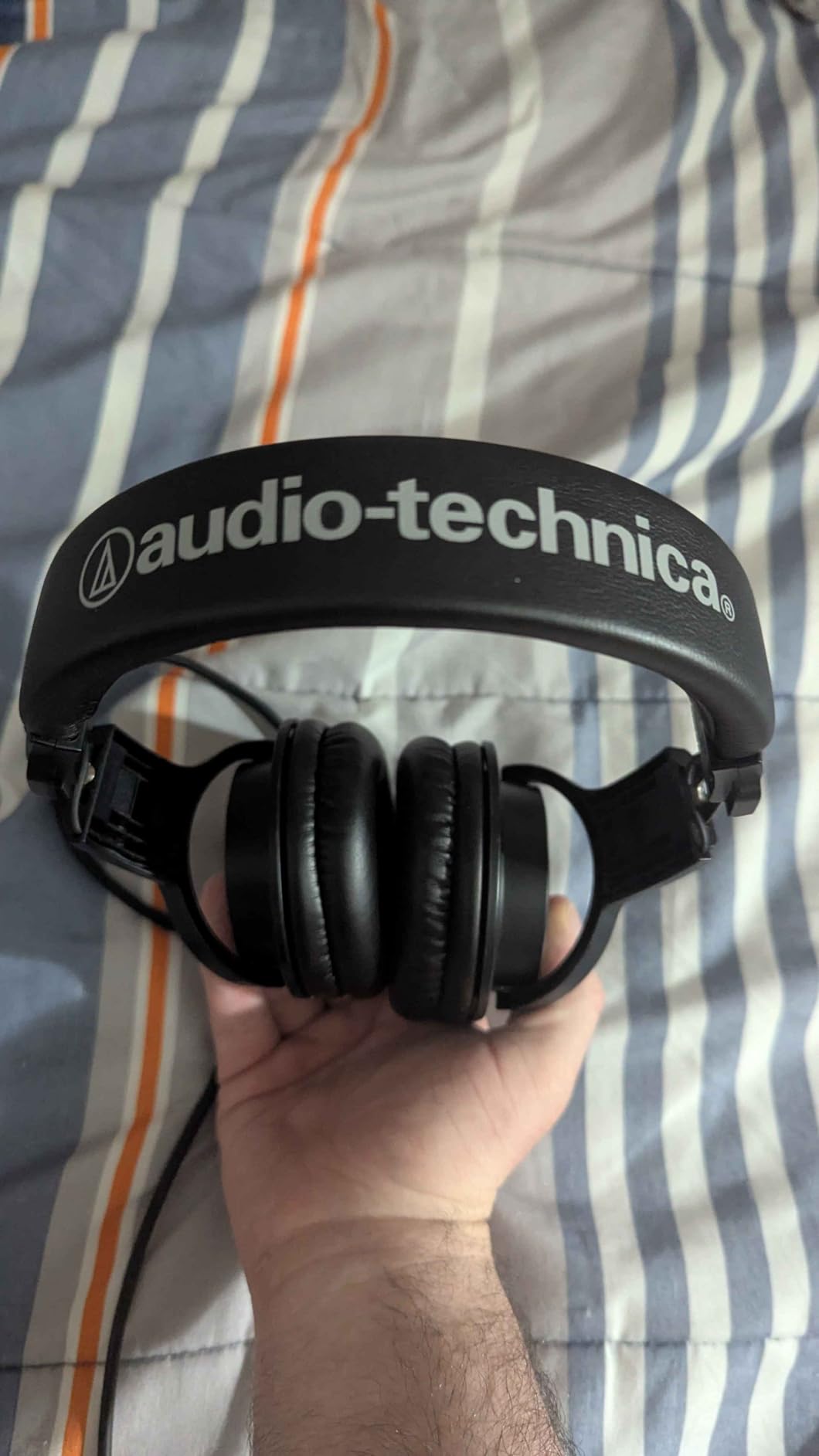
The ATH-M20x is the most affordable accurate monitor in this roundup, and it is the model we recommend to anyone who wants to start learning to mix. Forty millimeter drivers with rare earth magnets and copper clad aluminum wire voice coils are tuned for enhanced low frequency performance, with a circumaural design that contours around the ears for isolation in loud environments.
Response runs 15 to 20,000 Hz, which is narrower than the open-backs here. That is normal for a closed studio monitor and it costs you very little air at the top. What you get instead is a flat, honest tuning that does not flatter your work, which is the entire point when you are making decisions.
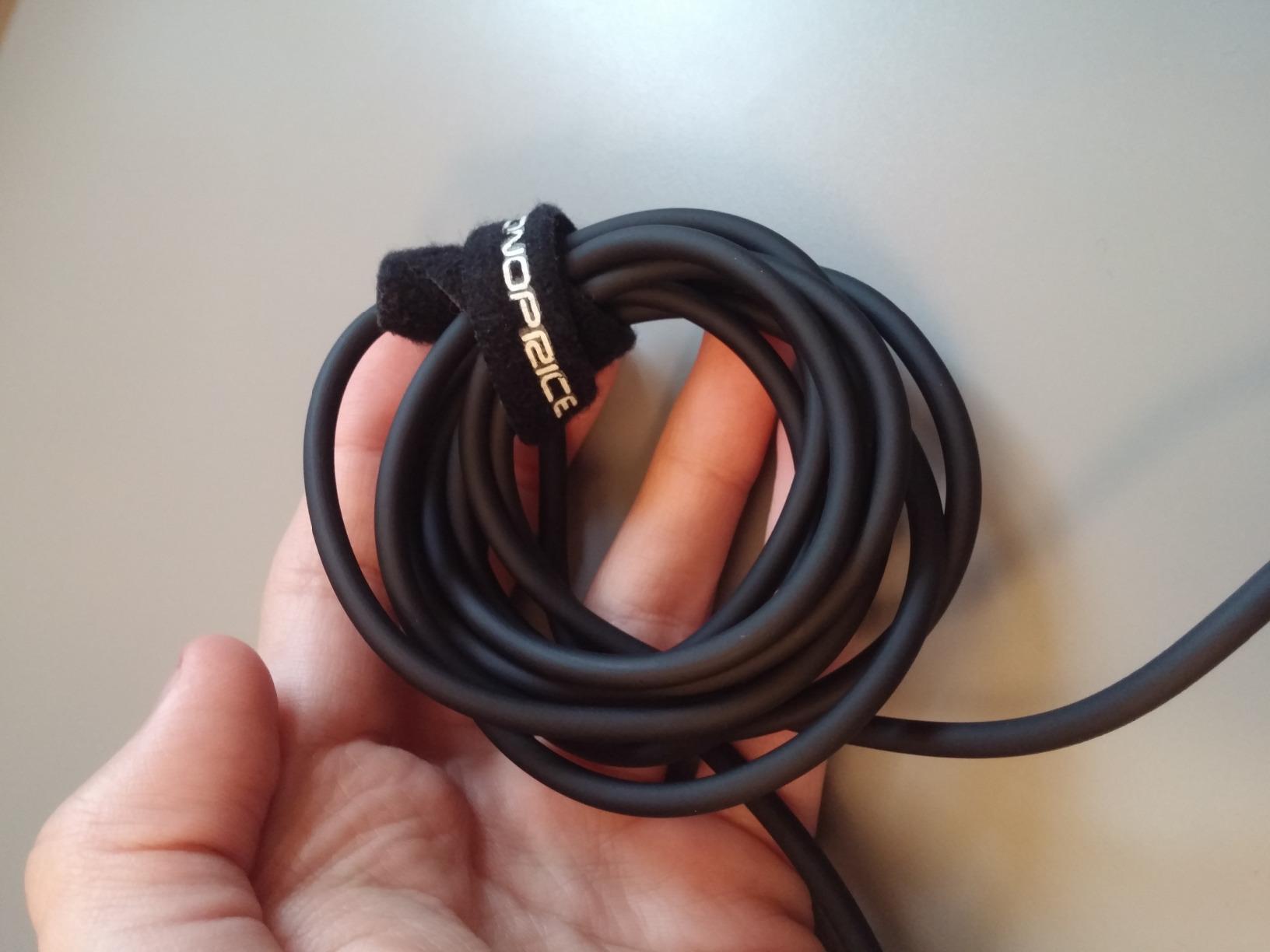
At 47 ohm and 96 dB sensitivity it drives from essentially any source, which makes it a low-risk first purchase. The convenient single-side cable exit keeps the cord out of the way, and metal adjusters make the fit repeatable.
Owners report comfortable all-day use with the soft faux-leather pads, across eight and nine hour sessions. A two year warranty on parts and labour is included.
Who the ATH-M20x suits best
It suits students, podcasters and home producers who need a reference they can trust without adding an amplifier to the shopping list. The isolation also makes it a decent second pair for tracking.
It suits anyone who mostly listens to well-produced modern music and wants accuracy rather than a dramatic soundstage. For gaming and casual listening it behaves like a normal, good closed-back.
Where the ATH-M20x falls short
The cable is not detachable, which is the main drawback versus the M30x and M50x. When the connector or the cord fails, you replace the headphone rather than the cable.
Bass is light and less impactful than consumer-oriented alternatives, so if you want low-end weight on electronic or bass-heavy music, look at the M50x instead. The clamp can also bother glasses wearers over very long sessions.
9. Audio-Technica ATH-M30x Review: The Balanced Middle of the Range
Audio-Technica ATH-M30x Professional Studio Monitor Headphones, Black
40mm rare earth drivers
38 ohm impedance
100 dB sensitivity
20 Hz - 20,000 Hz
0.22 kg
Detachable cable
Pros
- Well-balanced signature with strong mid-range definition
- 38 ohm is easy to drive from any source
- Detachable single-entry cable is easy to replace
- Collapsible folding design with a protective case
- Light 220 g weight for long sessions
Cons
- Narrower soundstage than open-back alternatives
- Bass is not as extended as the M50x
- Does not fold completely flat
- No microphone for calls or streaming
The M30x sits between the M20x and the M50x, and the difference is mid-range detail. Audio-Technica tunes the 40 millimeter drivers specifically for enhanced detail with excellent mid-range definition, which is the frequency band where vocals, guitars and most instruments live. It is the tuning that makes it a good critical listening headphone rather than only a tracking tool.
At 38 ohm and 100 dB sensitivity, it is easy to drive from phones, laptops and audio interfaces alike. The single-entry detachable cable means a worn cable is a cheap fix, and the side can be swapped if you develop a preference.
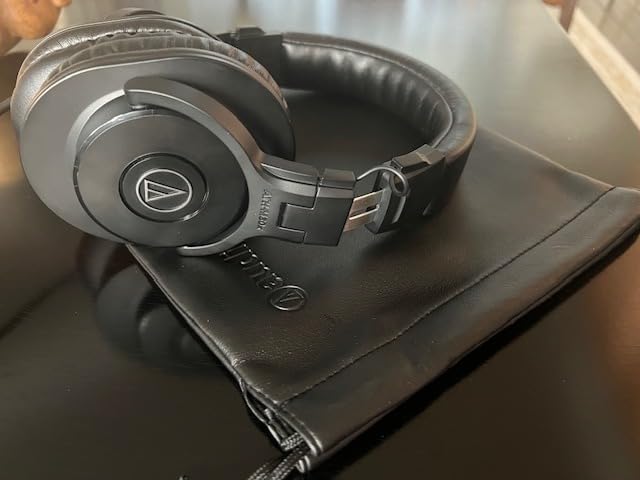
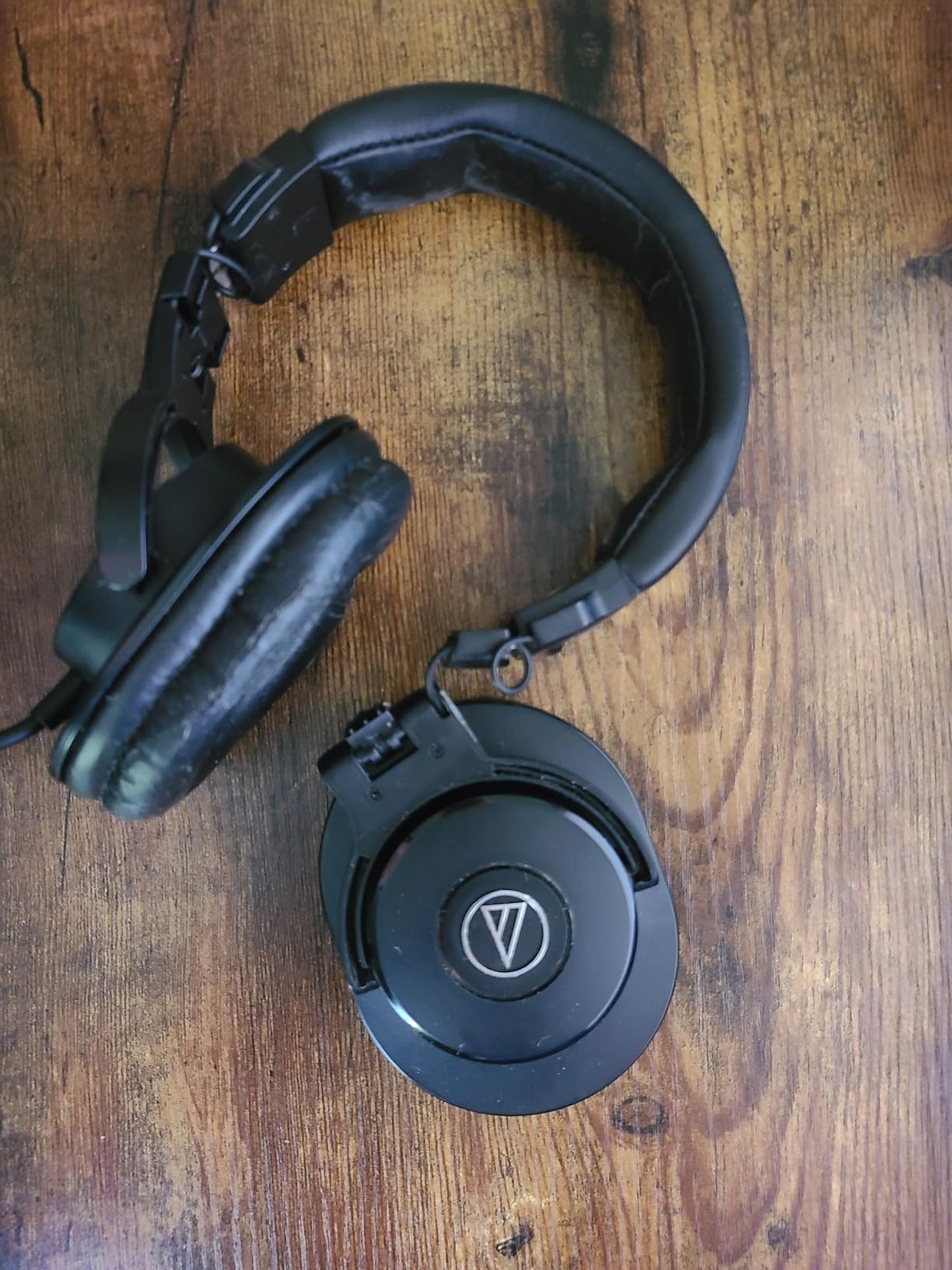
At 0.22 kg this is the second-lightest headphone in the roundup, and the aluminum construction keeps it solid without feeling heavy. The circumaural fit gives reasonable isolation in loud environments, and the convenient single-side cable exit keeps the desk clear.
It collapses for storage and comes with a protective case, which makes it the most travel-aware option in this list without becoming a travel headphone.
Who the ATH-M30x suits best
It suits listeners who want a step up in detail and mid-range clarity without moving to a full size open-back. Vocals and acoustic material in particular benefit from the tuned midrange.
It also suits people who move between a laptop and a desktop setup, because the detachable cable and the low impedance make source swapping painless.
Where the ATH-M30x falls short
The soundstage is narrower and more intimate than the open-back options here. If your priority is spatial depth and instrument placement, this is the wrong tool and you will hear the ceiling.
Bass is present but not as extended or impactful as the M50x, and the folding design does not collapse completely flat, so it is bulkier than truly flat-folding models. There is no microphone for calls or streaming.
10. Philips Fidelio X3 Review: The Best Build Quality in the Roundup
PHILIPS Fidelio X3 Professional Studio Monitor Headphones for Recording & Mixing Wired Over The Ear Open-Back Headphones, Multi-Layer 50mm Diaphragms, Hi-Res Music Studio Headset, Premium Finishing
50mm multi-layer polymer diaphragm
32 ohm impedance
103 dB
5 Hz - 40 kHz
13.4 oz
Balanced and unbalanced cables
Pros
- Wide immersive soundstage with precise imaging
- 32 ohm is easy to drive from a phone or entry DAC
- Metal headband with Scottish Muirhead leather and Kvadrat fabric
- Includes detachable balanced and unbalanced 3 m cables
- Memory foam pads and floating headband spread weight
Cons
- Ear pads run warm in hot weather
- Treble-forward tuning can sound bright for some listeners
- Bass is tuned down compared with the earlier model
- Earcup connectors do not lock
The Fidelio X3 is the most elaborately built headphone here, and it is also the most divisive. The 50 millimeter multi-layer polymer diaphragms use dampening gel, tuned for detailed highs, a full and smooth midrange, and bass that is impactful without becoming overpowering. Response is specified from 5 Hz to 40 kHz, the widest bandwidth in the roundup.
At 32 ohm and 103 dB sensitivity, it is trivially easy to drive, and Philips supplies detachable balanced and unbalanced 3 m oxygen-free cables plus a 3.5 to 6.3 mm adapter and cable clip. Balanced output is a genuine bonus for anyone running a desktop DAC with a 4.4 mm output.
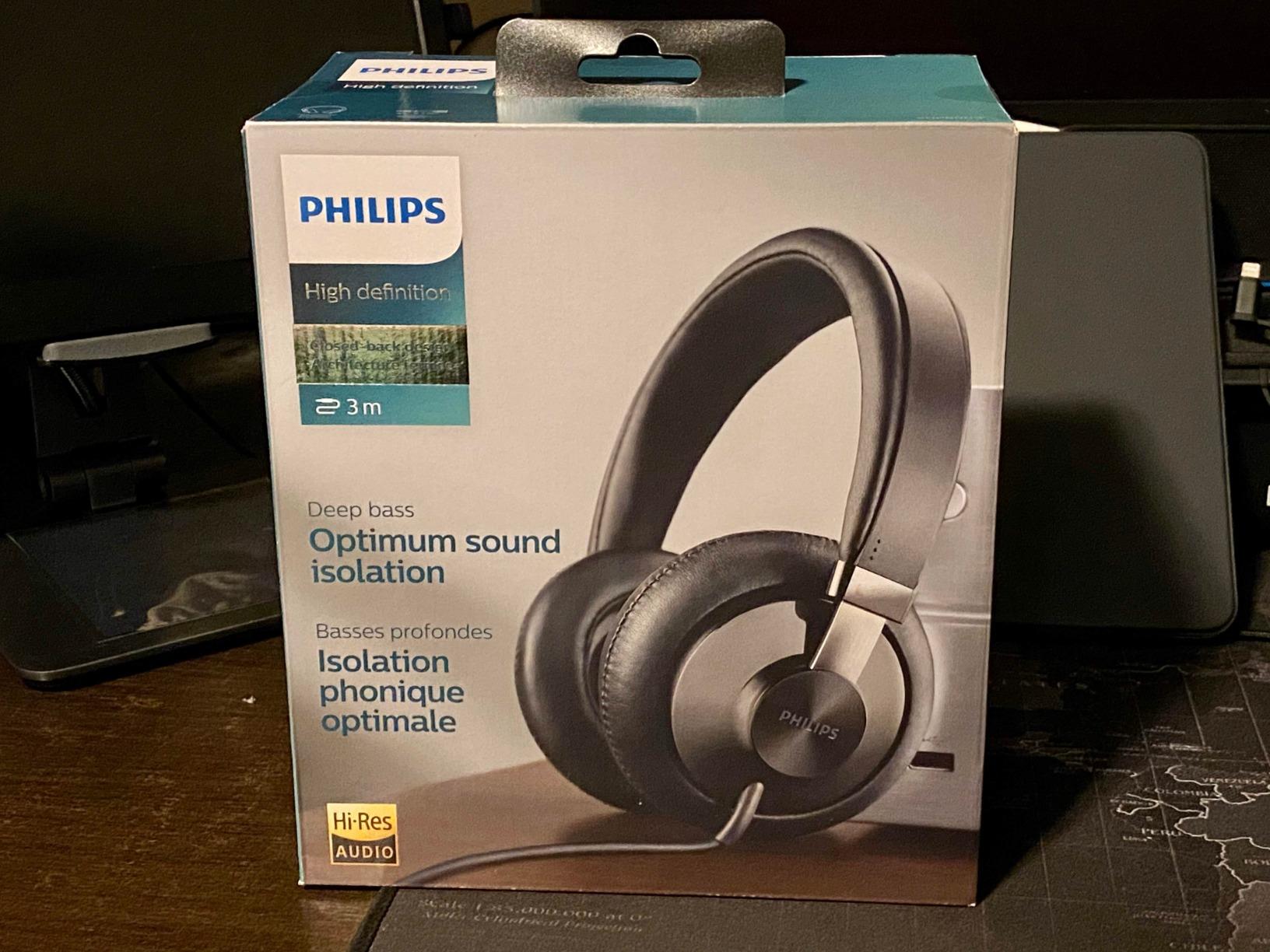
Materials are the story. The headband is metal wrapped in Scottish Muirhead leather, the open cups use acoustically transparent Kvadrat speaker fabric, and memory foam pads sit on a floating headband that spreads weight evenly. It is Hi-Res Audio certified and the open-back design gives a wide, natural soundstage.
At 13.4 ounces it is the heaviest model here, and the memory foam pads are the reason. They seal well and sound good, but they run warm in hot weather.
Who the Philips Fidelio X3 suits best
It suits listeners who care about materials and craft as much as sound, and who want a headphone that looks and feels like a premium object. The supplied balanced cable makes it attractive for desktop DAC users.
The wide stage and precise imaging also suit critical listening, and the low impedance means your existing source is enough.
Where the Philips Fidelio X3 falls short
It has the lowest rating in this roundup at 4.2 out of 5 from 2,573 reviews, with about 63 percent five-star scores. The split is consistent: people like the soundstage, the detail and the build, then struggle with warm pads and a treble-forward tuning that can tip into sibilance for sensitive listeners.
The bass is tuned down compared with the earlier version of this headphone, so bass-focused listeners may want EQ. The earcup connectors do not lock, so a cable can be pulled free if you snag it, and aftermarket cables need special ordering.
Buying Guide: How to Choose the Best Wired Headphones for Audiophiles
Open-back or closed-back: the first real decision
This choice matters more than any spec on the spec sheet. An open-back headphone vents the back of the cup, so the driver radiates into the room as well as toward your ear. You get a wider soundstage, better imaging and a sense of air, and in exchange you get no isolation at all and audible leakage in both directions.
A closed-back seals the cup, which gives you attenuation of room noise, keeps monitor sound out of your microphone, and produces a more intimate and often punchier presentation. The trade-off is that sound arrives from inside your head rather than around you.
Our rule: open-back in a private room, closed-back anywhere else. A shared office, a bedroom with other people in it, an aeroplane or a café all rule out the Sennheiser HD 599, the DT 990 Pro, the SHP9500, the HD 650 and the Fidelio X3.
Do you need a headphone amplifier?
Almost everyone asks this, and almost everyone overestimates how many models need it. A headphone amplifier exists because some drivers draw so much current that a weak source runs out of voltage before it reaches comfortable volume. Impedance in ohms and sensitivity in decibels per milliwatt tell you how hard a driver is to move.
Use these thresholds and you can decide in ten seconds.
Under 32 ohm with sensitivity above 100 dB: easy to drive. A phone, a laptop or a small dongle is enough. The Philips SHP9500 at 32 ohm and 101 dB, and the Philips Fidelio X3 at roughly 32 ohm and 103 dB, sit here.
Between 38 and 63 ohm with sensitivity near 99 to 100 dB: moderate. Headphones, laptops and interfaces are fine, and a small DAC improves headroom. The Audio-Technica ATH-M50x at 38 ohm and 99 dB, the ATH-M30x at 38 ohm and 100 dB, the ATH-M20x at 47 ohm and 96 dB, the Sennheiser HD 599 at 50 ohm and the Sony MDR-7506 at 63 ohm all live here.
80 ohm and above: buy an amplifier or use a good interface output. The beyerdynamic DT 770 Pro at 80 ohm, the DT 990 Pro at 250 ohm and the Sennheiser HD 650 as a 300-ohm design will run quiet and thin from a dongle, and they will reach their intended level and sound from a desktop amp.
Sensitivity is the modifier. A 250-ohm headphone at 96 dB, such as the DT 990 Pro, needs real current. A high-impedance headphone with sensitivity above 100 dB is much more forgiving. Both numbers together tell the story, and neither one alone does.
Driver types: dynamic, planar magnetic and electrostatic
Every headphone in this roundup uses a dynamic driver, and that is a deliberate choice for a first serious purchase. A dynamic driver moves a diaphragm forward and back, exactly like a small speaker, and the moving mass is the limiting factor.
Planar magnetic designs use a thin flat diaphragm driven across its entire surface by a magnet array. The result is very low distortion and excellent transients, and almost every one of them demands an amplifier. The most common complaint in owner reviews is a treble peak and sibilance that pushes harder as volume rises.
Electrostatic designs are the summit tier. They need a dedicated energiser, they are fragile, and they are expensive. They are worth hearing once, and they are a poor first audiophile purchase.
For nearly everyone reading this, a well-made dynamic headphone at 38 to 63 ohm gives you more satisfaction per unit of spending than a harder-to-drive design you cannot drive properly.
Comfort, weight and long sessions
Weight is the number that decides whether you still love the headphones in year two. In this roundup the spread runs from 8 ounces for the Sony MDR-7506 up to 13.4 ounces for the Philips Fidelio X3, with the 0.71 kg Sennheiser HD 599 close behind. Clamp force matters as much as mass: a light headphone with a tight clamp still creates pressure points.
Velour pads, such as those on the DT 990 Pro, DT 770 Pro and HD 599, breathe better and stay cooler over hours. Faux leather and memory foam, seen on the Audio-Technica models and the Fidelio X3, seal better and give more isolation but run warm. Open-back cups ventilate by design, which helps in a hot room but does nothing for the weight.
Owners of high-impedance open-backs regularly report fatigue over long sessions, so if you listen for six hours at a stretch, weigh the model before you buy it. Replacing pads is the fastest way to fix a fit problem, and a better headband is a slower, costlier route.
Cables, pads and auditioning before you buy
Detachable cables are worth paying attention to. The Audio-Technica M50x and M30x, the Sennheiser HD 599, the Philips SHP9500 and the Fidelio X3 all let you replace or swap a cable, and the HD 599 and the Fidelio X3 ship with two. Fixed cables appear on the Sony MDR-7506, the Sennheiser HD 650, the DT 990 Pro, the DT 770 Pro and the Audio-Technica ATH-M20x, and on those models a cable failure ends the headphone.
Check whether the connector is included. Some cheaper models ship with a bare 3.5 mm plug and expect you to already own a 6.35 mm adapter.
If you can audition, five things are worth checking. First, comfort for ten minutes rather than two. Second, treble for sibilance on vocal-heavy tracks. Third, bass for whether it suits your music or fights it. Fourth, isolation, by asking someone to speak to you. Fifth, the cable, by moving your desk chair and seeing whether the connector holds.
Buyers who regret audiophile headphones usually regret one of three things: buying a demanding model without an amplifier, buying an open-back for a shared room, or buying a heavy headphone for all-day wear. Each of those is avoidable with the information on this page.
Frequently Asked Questions
What are the best wired earphones for audiophiles?
For over-ear wired headphones, the Audio-Technica ATH-M50x leads our roundup for its 45mm drivers, 38 ohm impedance and detachable cable. For soundstage, the Sennheiser HD 599 at 50 ohm is the easier open-back. The Sony MDR-7506 wins on weight at 8 ounces.
What headphones do audiophiles recommend?
Owners most often recommend a small number of proven models. The Audio-Technica M50x, M30x and M20x lead for studio accuracy, the Sony MDR-7506 leads for lightness and longevity, and the Sennheiser HD 599 and HD 650 lead for open-back listening. The beyerdynamic DT 770 Pro and DT 990 Pro are the studio workhorses.
Which wired headphones have the best sound quality?
Among the models here, the Sennheiser HD 650 holds total harmonic distortion to 0.05 percent with damped 42mm dynamic drivers, and the beyerdynamic DT 990 Pro delivers the widest soundstage and imaging. The Audio-Technica M50x is the most consistent all-round performer, and the Fidelio X3 offers the widest specified bandwidth at 5 Hz to 40 kHz.
Do audiophile wired headphones need an amplifier?
Under 32 ohm with sensitivity above 100 dB, no amplifier is needed. Between 38 and 63 ohm, a laptop or interface is enough. At 80 ohm and above, including the DT 770 Pro, the DT 990 Pro at 250 ohm and the HD 650, you should buy a desktop headphone amplifier to reach full volume and proper sound.
What are the most comfortable audiophile headphones?
Comfort tracks weight and pad material. The Sony MDR-7506 at 8 ounces with soft pads is the lightest option here, the Audio-Technica M30x at 0.22 kg is close behind, and the DT 990 Pro at 8.8 ounces with breathable velour pads suits long working sessions. The 0.71 kg Sennheiser HD 599 and 13.4 ounce Fidelio X3 are heavier but well padded.
Are open-back headphones better for audiophiles?
Open-back designs give a wider soundstage and better imaging, which many listeners prefer for critical listening. They provide no isolation and leak sound in both directions, so they are impractical in shared rooms and unsuitable for travel. Closed-back models such as the ATH-M50x and Sony MDR-7506 trade that width for isolation and versatility.
Conclusion: The Best Wired Headphones for Audiophiles in 2026
After six weeks and a lot of cable swapping, the best wired headphones for audiophiles in 2026 come down to what you need the headphone to do. The Audio-Technica ATH-M50x is our editor’s choice because it is the only pair here that handles mixing, gaming, tracking and long evening listening while staying easy to drive at 38 ohm, and it carries the strongest rating and review record in the group. The Sennheiser HD 599 is the best value for anyone moving into open-back hi-fi, and the Sony MDR-7506 remains the reference for lightness and build durability.
Two pieces of advice outlast any specific model. Check impedance against your source before you buy, not after, because a 250-ohm headphone on a laptop is the most expensive mistake in this hobby. And remember that pads and cables change the sound and the comfort more than buyers expect, so keeping the parts you can replace is a genuine upgrade path.
Pick the pair that matches your room and your source, and you will be listening to detail you did not know was in your music.